31.12.2024
680

Choosing a car is a responsible step, and one of the important aspects is the type of transmission. Today we will figure out what is better: a conventional automatic transmission (ATP) or a modern CVT? We will try to answer this question in this publication. You can also improve your car and modernize it using tuning accessories, a wide range of which is available in our online store.
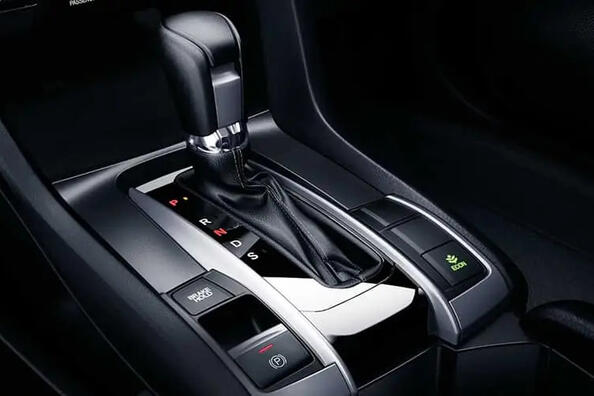
An automatic transmission uses gears and a torque converter to shift gears, providing step-by-step changes in torque. A CVT uses a belt and pulleys to smoothly change the gear ratio, providing stepless acceleration.
Advantages:
Disadvantages:
Advantages:
Disadvantages:
The choice between an “automatic” and a CVT depends on your priorities. If reliability, unpretentiousness and the ability to operate in difficult conditions are important, then an automatic transmission is a good choice. If you value comfort, smoothness and economy, then you should pay attention to cars with a CVT.
Both types of transmission have their advantages and disadvantages. When choosing a car, it is important to consider operating conditions, personal preferences and budget. Having weighed all the pros and cons, you will be able to make the right choice that will delight you for many years.
Shipping to EU
Wholesale and retail
Own warehouse
Опис продукту
Подарунки не надаються при оформленні покупки у кредит під 0,01% або при покупці частинами.