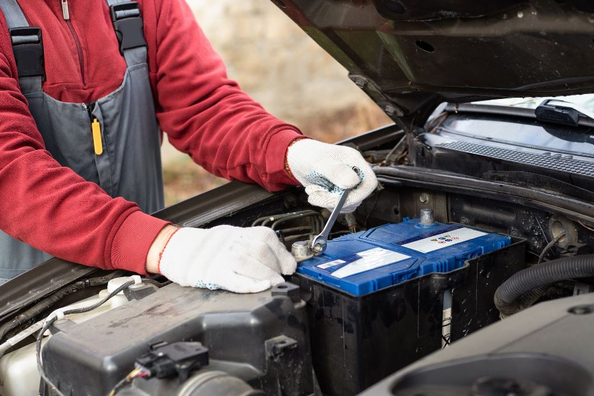
The car battery (AKB) is the most vulnerable component of a vehicle in low temperatures. In cold weather, its capacity can drop by 30–50%, while the viscosity of the engine oil increases, requiring more energy to start. Simple preventive measures taken before severe frosts will significantly extend the battery’s service life and ensure reliable starting. To further improve your vehicle and make it more efficient, we recommend using tuning accessories, which are available in a wide selection in our online store.
Inspection and Maintenance
Before charging the battery, make sure it is technically sound and clean:
- Visual inspection: Check the case for cracks, swelling, or traces of electrolyte.
- Terminal cleaning: Oxidation on the terminals (white or greenish deposits) greatly increases electrical resistance. Clean the terminals and posts with fine sandpaper and treat them with technical petroleum jelly or special grease.
- Checking electrolyte level (for serviceable batteries): Ensure the electrolyte level is between the MIN and MAX marks. If necessary, top up with distilled water.
Charging and Diagnostics
These steps ensure the battery is ready for cold weather:
- Full charge: The battery should be charged to 100%. If the electrolyte density (for serviceable batteries) is below 1.27 g/cm³ or the voltage is below 12.6 V (for maintenance-free ones), recharge with a stationary charger.
Important: In winter, charge the battery longer than in summer to ensure full capacity recovery. - Density control: Electrolyte density directly affects the freezing point. A fully charged battery with a density of 1.27 g/cm³ will not freeze down to -50 °C, while a discharged one will freeze already at -7 °C.
- Generator check: Make sure the vehicle’s generator provides normal voltage (13.8 – 14.4 V) for effective charging while driving.
Proper battery preparation before frost is the best investment in reliable winter operation.