
22.08.2025
214
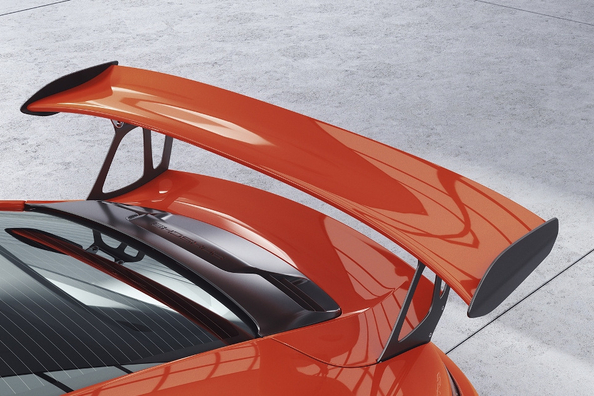
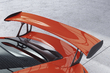

The wing is one of the most recognizable elements of car tuning . For most drivers, it is associated with the world of high speeds and professional racing. Many consider it just an element of style, but the wing has a specific and important aerodynamic task, which is not about decoration, but about changing the behavior of the car on the road.
The effect of the wing becomes noticeable at speeds above 100-120 km/h and gives the driver a number of tangible advantages:
These two elements are often confused, although they perform different functions.
Wing:
Spoiler:
The wing is suitable for owners of sports cars or fans of track racing. For everyday city driving, its effectiveness is minimal.
Shipping to EU
Wholesale and retail
Own warehouse
Опис продукту
Подарунки не надаються при оформленні покупки у кредит під 0,01% або при покупці частинами.