
25.03.2024
3448
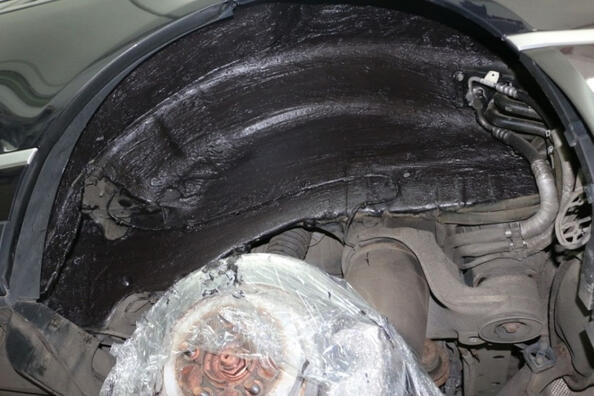
In this article, we will consider one of the ways to reduce the noise level in the car interior - liquid noise insulation. We will talk about what liquid sound insulation is, what its advantages and disadvantages are, and we will also give some tips for its use. You can also improve your car and make it more comfortable if you use tuning accessories, a large assortment of which is available in our online store.
Liquid noise insulation is a special composition that is applied to vibrating areas of the car body, such as wheel arches, doors, bottom and engine compartment. This compound hardens to form an elastic layer that absorbs vibrations and noise.
It is important to remember that liquid noise insulation is not a panacea for all noise. It can significantly reduce the noise level, but not eliminate it completely.
Before using liquid noise insulation, it is recommended to consult with a specialist. When working with liquid noise insulation, follow the manufacturer's instructions and use personal protective equipment.
Shipping to EU
Wholesale and retail
Own warehouse
Опис продукту
Подарунки не надаються при оформленні покупки у кредит під 0,01% або при покупці частинами.