25.05.2025
181
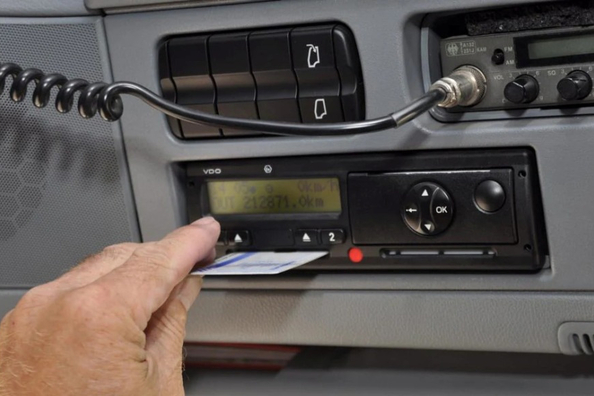
In the world of commercial and passenger transport, there is a device that is an indispensable tool for control and safety - a tachograph. It is not just a "black box", but a complex on-board device, mandatory for many categories of cars. Let's figure out what a tachograph is, what its functions are and why it is so important. To transform your car and add functionality to it, we recommend using tuning , the accessories of which are in our product catalog.
A tachograph is a recording device that continuously records the vehicle's movement parameters and the driver's work and rest modes. It constantly collects data on:
Having a tachograph is not a whim, but a legal requirement that has several important goals:
The tachograph is a key element of the control system in commercial transport. It ensures road safety, protects drivers' rights and helps companies comply with the law, making transport more organized and responsible.
Shipping to EU
Wholesale and retail
Own warehouse
Опис продукту
Подарунки не надаються при оформленні покупки у кредит під 0,01% або при покупці частинами.