The start-stop system is becoming more and more popular in modern cars. Its purpose is to save fuel and reduce CO2 emissions by automatically switching off the engine when idling. In this article, we will look at the advantages and disadvantages of this system, and whether it is worth using it. You can also significantly improve your car if you use tuning accessories, a large assortment of which is available in our online store.
Advantages of the start-stop system
- Fuel economy: according to manufacturers, the start-stop system can save up to 15% of fuel in the urban cycle.
- Reduced CO2 emissions: reduced fuel consumption leads to less CO2 emissions into the atmosphere.
- Noise reduction: when the engine is turned off, the noise from it does not disturb the driver, passengers or people around.
Disadvantages of the start-stop system
- Component wear: Frequent engine restarts can cause premature wear on the starter, battery, and other parts.
- Discomfort: some drivers do not like the vibration and noise when the engine is restarted.
- Inefficiency in some situations: the start-stop system does not always save fuel, for example, in traffic jams or when driving short distances.
It is important to know
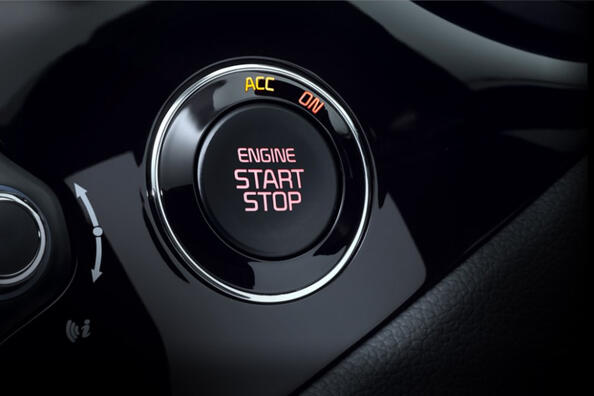
- The start-stop system is usually disabled by default. It can be activated with a button on the instrument panel.
- Most start-stop systems have an algorithm that takes into account a number of factors, such as engine temperature, battery charge and air conditioning mode, before turning off the engine.
- The driver can turn off the start-stop system at any time.
Should I use the start-stop system?
It depends on your needs and driving style. If you often drive in the city and fuel economy is important to you, then the start-stop system can be useful. If you don't like vibration when restarting the engine or drive mostly short distances, then the system may not suit you.