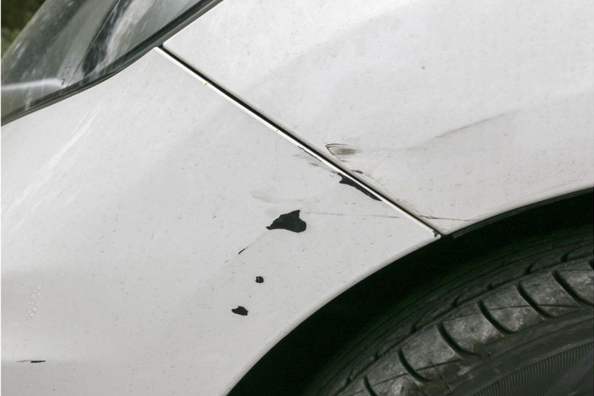
Chips on the car body are not only an aesthetic defect, but also a potential threat to its condition. Minor damage to the paintwork can lead to serious problems if ignored. Let's consider what makes chips dangerous and how to minimize their consequences. You can also significantly improve the appearance of your car by using tuning accessories, a large selection of which is available in our online store.
Why are schools dangerous?
- Metal corrosion. Chips expose metal, which begins to rust under the influence of moisture and salt.
- Deterioration of appearance. Even small chips spoil the aesthetics of the car, reducing its market value.
- Spread of damage. Without treatment, chips grow, damaging large areas of the body.
What factors exacerbate the problem?
- Road reagents accelerate corrosion in winter.
- Direct sunlight destroys unprotected coating.
- Dirt and sand trapped in the chip increase wear.
How to remove chips?
- Clean the damage. Wash the chip with water and detergent and dry.
- Treat the surface. Use a rust converter if the metal is already affected.
- Paint over the chip. Degrease, apply car paint to match the body using a brush or spray.
- Protect the finish. Coat the area with varnish and polish to a smooth finish.
Prevention
- Wash your car regularly, especially after driving on gravel.
- Apply a protective film or ceramic coating to the body.
- Avoid following trucks closely to minimize stone impacts.
Conclusion
Chips on a car are not just a cosmetic defect, but a risk of corrosion and a decrease in the value of the car. Timely treatment and prevention will help avoid serious problems.