What does the charging speed of an electric vehicle depend on?

Every year, electric cars are becoming more and more popular, and the question of their charging is of interest to more and more car owners. The charging speed of an electric car is one of the key factors affecting the convenience of operation. But what does it depend on? Let's analyze the main aspects. You can also significantly transform your car and add attractiveness to it by using tuning accessories, a large selection of which is available in our online store.
Main factors affecting charging speed
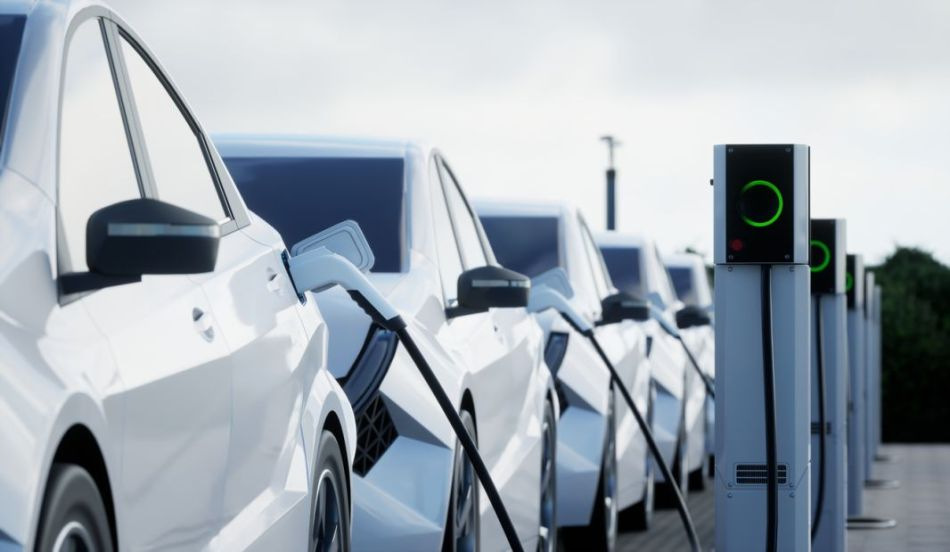
- Charging station power. The higher the power of the charger, the faster the charging process. For example:
- Regular outlets (2.3 kW) – slow charging, which can take 8 to 12 hours.
- Home charging stations (7-22 kW) – allow you to charge an electric car in 3-8 hours.
- Fast charging stations (50-350 kW) – provide a charge of up to 80% in 20-40 minutes.
- Battery capacity. The larger the battery capacity, the longer it will take to fully charge. For example, a 50 kWh battery will charge faster than a 100 kWh battery, all else being equal.
- Maximum charging power of the car. Every electric car has its own limitations on charging speed. Even if the station supports high power, the car may not be able to use it to its full potential.
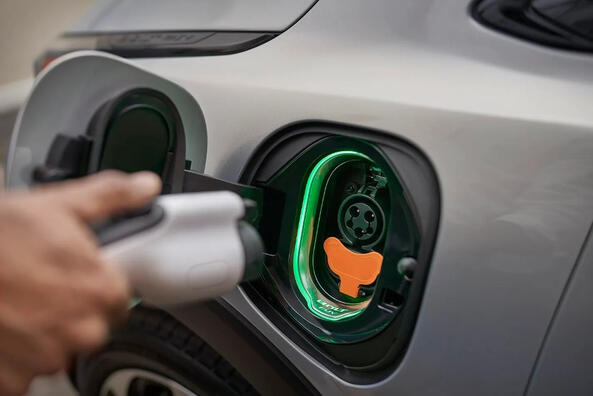
- Cable and connectors: The quality and specifications of the charging cable also affect charging speed. The connectors should meet the vehicle standards (e.g. Type 2 or CCS).
External factors
- Ambient temperature: At low temperatures, the battery charges more slowly due to the need to preheat it.
- Battery condition: Old or worn batteries may charge more slowly.
Conclusion
The charging speed of an electric vehicle depends on many factors: the power of the charging station, the characteristics of the vehicle, the battery capacity and even external conditions. The optimal choice of charging equipment and following the manufacturer's recommendations will help reduce charging time and ensure a long battery life.