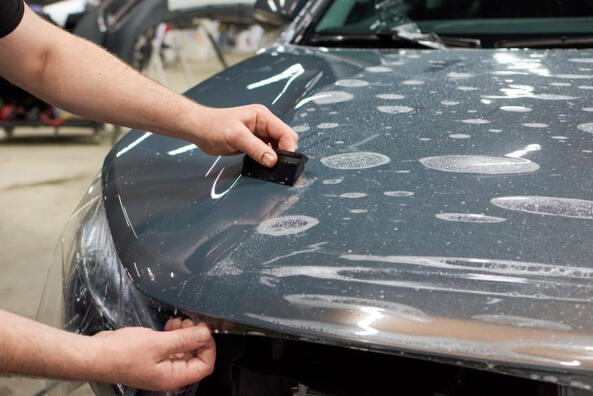
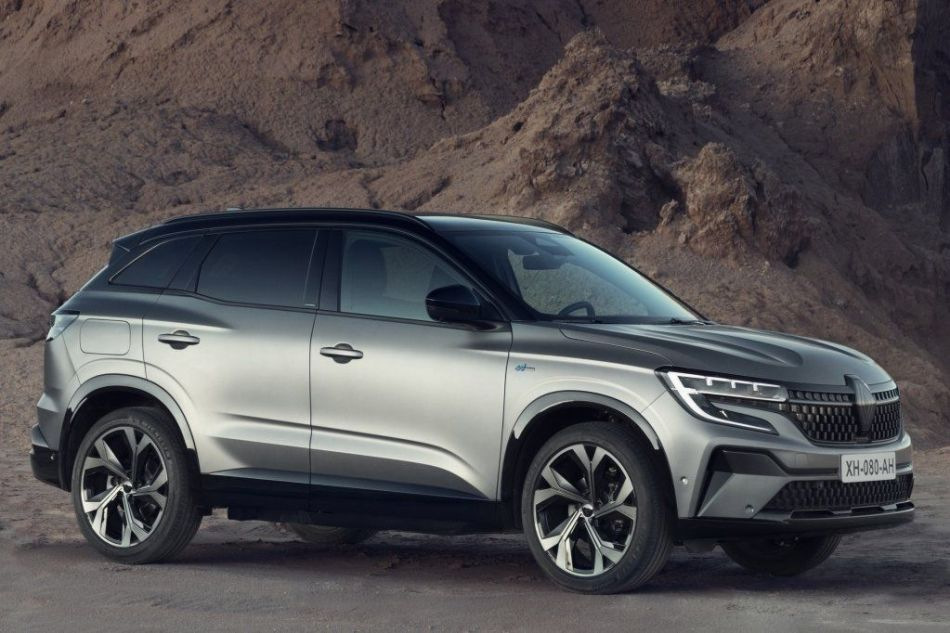
When caring for a car, the question of choosing protective films often arises. Vinyl and polyurethane films are two popular options, each with their own advantages and disadvantages. In this article, we will compare these materials to help you make the right choice. You can also significantly transform your car and make it unique if you use tuning accessories, a wide range of which is available in our online store.
Vinyl films
Vinyl is an affordable and versatile option for protecting the car body. Let's consider its main characteristics:
- Cost: Vinyl wraps are usually less expensive than polyurethane wraps, making them more affordable for many car owners.
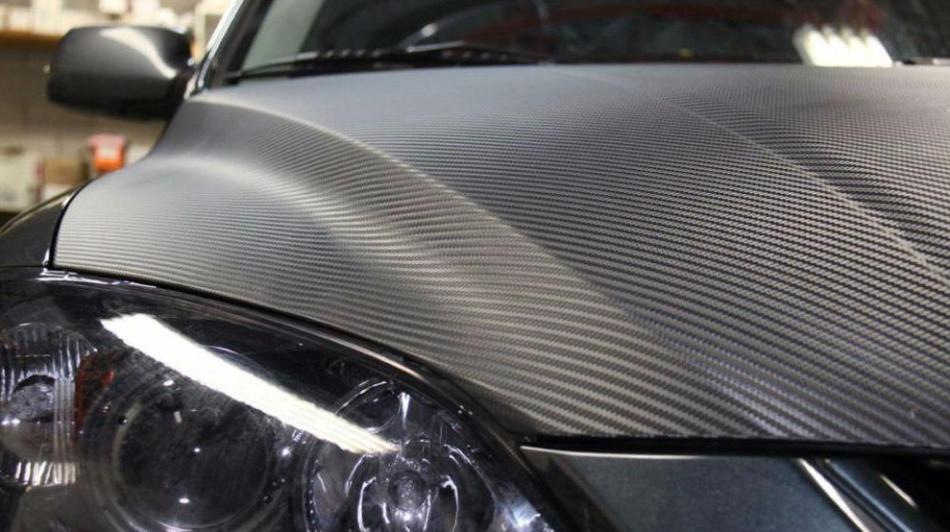
- Design: Vinyl wraps offer a wide variety of colors (can be transparent) and textures, allowing you to create a unique look.
- Ease of installation: easier to glue, making vinyl suitable for self-installation.
Disadvantages of vinyl films:
- Durability: Vinyl is less resistant to mechanical damage and can wear out faster.
- Protection: Provides basic protection against scratches and dirt, but is less effective against rocks and impacts.
Polyurethane films
Polyurethane films offer a higher degree of protection, but are also more expensive.
Let's consider their features:
- Durability: Polyurethane is much more resistant to damage, making it ideal for protecting the body from rocks and scratches.
- UV Protection: Polyurethane films provide excellent UV protection, preventing paint fading.
- Self-healing: Some polyurethane films have a self-healing property that helps hide small scratches.
Disadvantages of polyurethane films:
- Cost: Polyurethane films are more expensive, which can be a deciding factor for some owners.
- Difficulty of installation: installation of polyurethane films requires more skill and can be more difficult to do yourself.
How to choose?
When choosing between vinyl and polyurethane, consider the following factors:
- Budget: If cost is an important consideration, vinyl wraps may be worth considering.
- Operating conditions: If your vehicle is frequently at risk of mechanical damage, polyurethane may be the best choice.
- Aesthetic preferences: If appearance and access to a variety of colors are important to you, vinyl offers more options.
Conclusion
Vinyl and polyurethane have their pros and cons, and the choice depends on your preferences and needs. If you are looking for a budget and aesthetic solution, choose vinyl. If you need reliable protection, give preference to polyurethane.