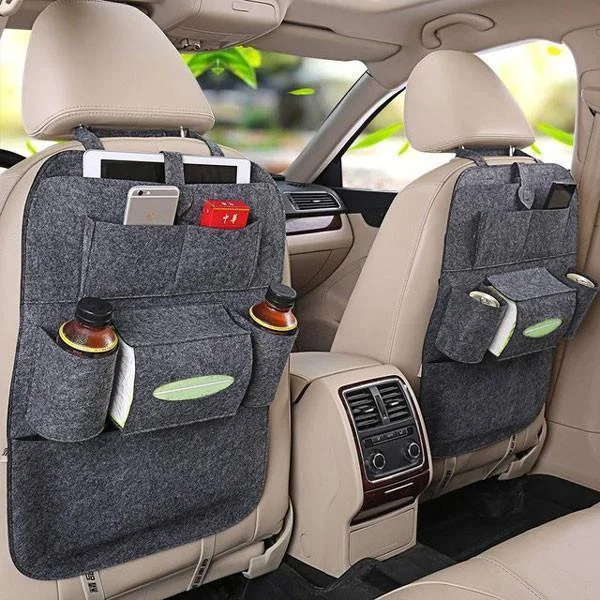
Efficient use of fuel becomes especially important in winter. In this article, we will consider some useful tips on how drivers can save fuel in the cold season. You can also significantly transform your car and make it more practical with the help of tuning accessories, the range of which is available in our online store.
Correct engine mode
Warm-up in moderation:
- The necessary warm-up of the engine in winter is important, but do not overheat it. 3-5 minutes is enough for most cars.
Update the thermostat:
- Consider installing a thermostat with a lower temperature threshold, which will allow the engine to reach optimal temperature more quickly.
Proper car maintenance
Timely oil change:
- In winter, use the manufacturer's recommended low temperature oil to ensure easy starting and efficient engine operation.
Checking the spark plugs:
- Poorly functioning spark plugs can impair fuel combustion. Check them regularly and change them if necessary.
Fuel system
Filter cleaning:
- Check and clean fuel filters regularly. Clogged filters can impair fuel supply.
Use of additives:
- In winter, use fuel additives that prevent the formation of paraffin and ice in the fuel system.
Fuel tank:
- Try to keep the fuel tank full to reduce condensation inside the tank.
Optimization of the movement path
Route planning:
- Plan your route to avoid traffic jams and long stops, which can affect fuel consumption.
Using the main ways:
- Whenever possible, use major highways where you can accelerate and move smoothly.
Correct behavior on the road
Soft acceleration and deceleration:
- Smooth acceleration and deceleration reduce fuel consumption. Avoid sudden maneuvers.
Speed control:
- Follow posted speed limits. Increased speed increases air resistance and fuel consumption.
Work with elements of climate control
Using the heated rear window and mirrors:
- Turn on the heating of the rear window and mirrors only when needed, as this also affects consumption.
Window for fresh air:
- Use a window for fresh air instead of an air conditioner whenever possible.
Use of winter tires
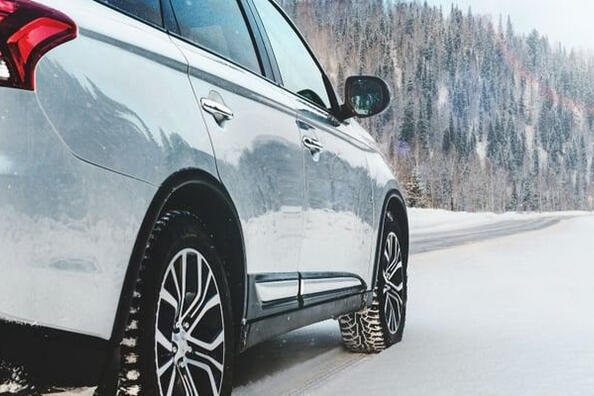
Switching to winter tires:
- Winter tires provide the best grip and maneuverability, which can reduce fuel consumption on slippery roads.
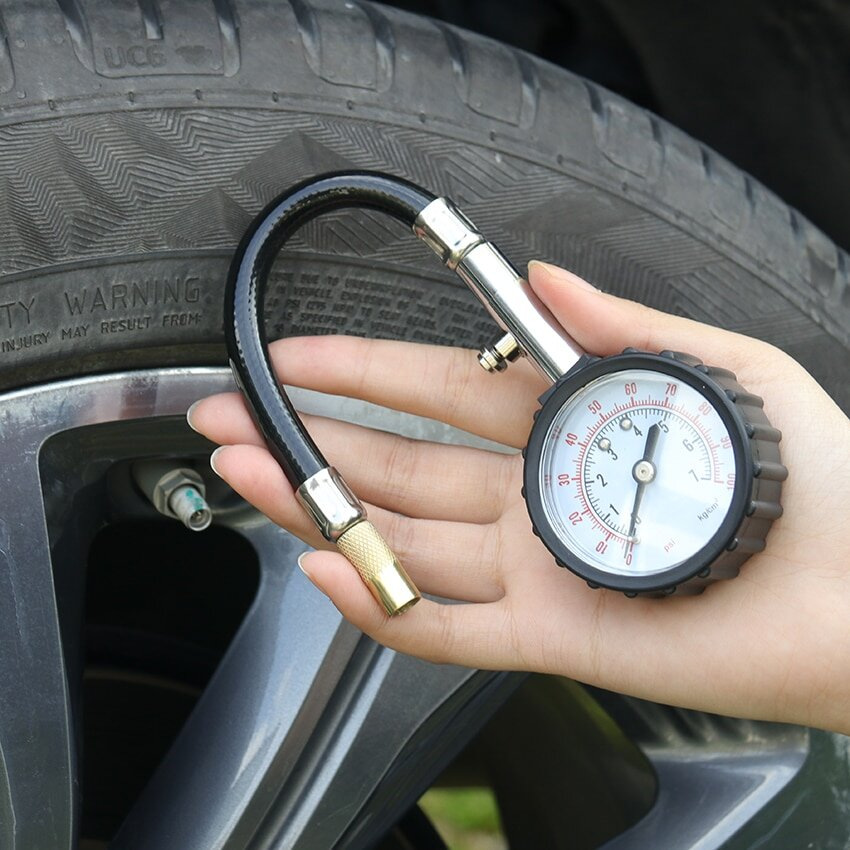
Checking the pressure in winter tires:
- Check your tire pressure regularly, as low pressure will increase fuel consumption.
Conclusion
Modern technology and good driving practices can help you save a lot on fuel during the winter months. Follow these tips and your car will function efficiently even at low temperatures, while ensuring fuel economy and conservation of its resources. Also, don't forget about regular car maintenance to keep all systems running at peak performance.