04.01.2026
237
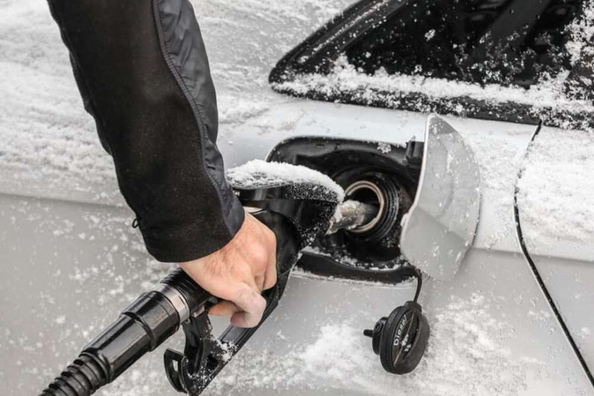
With the arrival of cold weather, many car owners notice an unpleasant trend: the fuel gauge needle drops much faster. A 15–30% increase in fuel consumption during winter is considered normal due to engine warm-up, higher road resistance, and the operation of electrical equipment. However, by changing a few habits, these costs can be significantly optimized. You can also upgrade your car and make it more functional by using tuning accessories, a wide selection of which is available in our product catalog.
Many drivers make the mistake of idling their engines for 20 minutes to warm up. This is not only inefficient but also leads to unnecessary fuel waste.
In winter, physics works against us: air contracts, and tire pressure drops.
Winter roads require smoothness, which fortunately also promotes fuel efficiency. Avoid sharp accelerations and wheel spin in snow. Also, don’t forget to clear the roof of snow: a “snow cap” not only adds extra weight but also seriously harms the car’s aerodynamics.
Saving fuel in winter is a comprehensive approach. By combining technical reliability with a smart driving style, you can preserve both your budget and your car’s lifespan.
Shipping to EU
Wholesale and retail
Own warehouse
Опис продукту
Подарунки не надаються при оформленні покупки у кредит під 0,01% або при покупці частинами.