02.09.2024
464
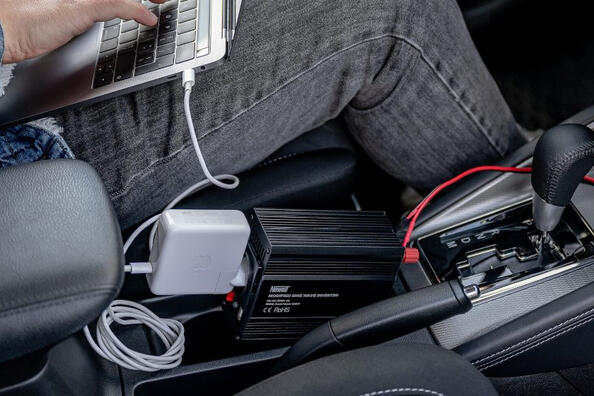

Modern cars are increasingly used not only for transportation, but also as mobile energy sources. If you need to power electrical appliances with 220 volts during the trip, this is quite possible. In this article, we will consider the main ways to get 220 V in a car. In addition, you can improve your vehicle by using tuning accessories, a wide range of which is available in our product catalog.
A car inverter is a device that converts 12V DC (or 24V) from the car battery into 220V AC.
Advantages:
Disadvantages:
A generator is a great option for getting 220 volts, especially if you plan to use several powerful appliances.
Advantages:
Disadvantages:
Portable batteries with an inverter function can be a great solution for temporary use.
Advantages:
Disadvantages:
Getting 220 volts in a car is a real challenge that opens up many possibilities for using electronics on the road. Choose the appropriate method depending on your needs and operating conditions, and enjoy mobility like never before!
Shipping to EU
Wholesale and retail
Own warehouse
Опис продукту
Подарунки не надаються при оформленні покупки у кредит під 0,01% або при покупці частинами.