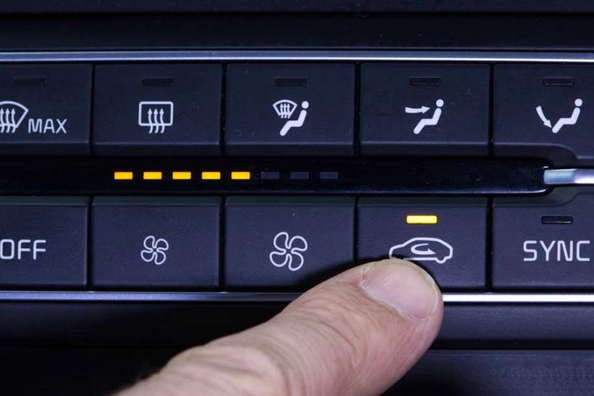
Air recirculation (button with an arrow inside the cabin) — one of the most underrated elements of climate control. Many drivers either never use it or keep it «always on», which often leads to fogged windows and headaches. Let’s figure out when recirculation really helps and when it harms. To make your car’s interior more comfortable and functional, you can also use tuning accessories, a wide range of which is available in our product catalog.
When recirculation is your best friend
- In traffic jams or outside the city when a truck with black exhaust passes by.
- When driving through tunnels, construction zones, or heavily polluted areas.
- In summer during extreme heat — cools the cabin faster.
- When there’s a strong smell of smoke, fish, manure, or cigarette smoke from nearby vehicles.
- In winter at very low temperatures — helps warm up the cabin faster.
When it’s better to turn off recirculation
- When windows fog up (especially the windshield) — almost always.
- During the first 5–10 minutes after starting the engine in winter — fresh air helps remove moisture faster.
- On long trips (>20–30 minutes) — CO₂ builds up inside, it gets stuffy, and drowsiness appears.
- If someone smokes in the car or you transport items with a strong odor — the smell circulates endlessly.
- When the air conditioner is in «drying» mode (defrost + cold) — fresh air works more effectively.
Simple practical recommendations
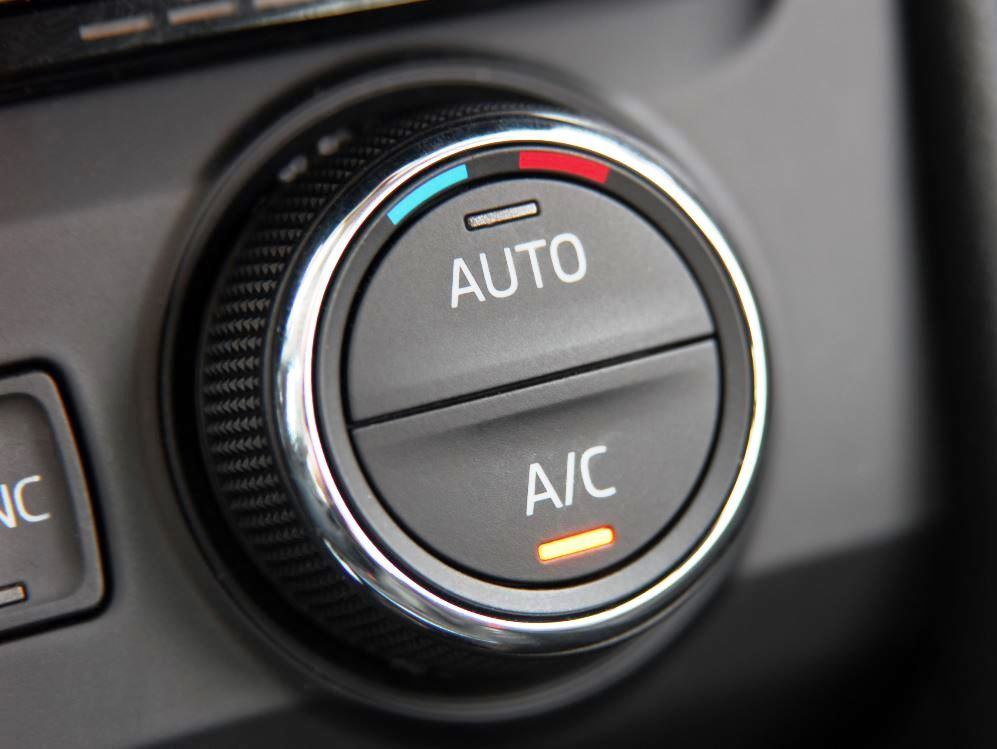
- Automatic mode — trust the sensors if your climate control is «smart».
- In winter — 5–7 minutes of recirculation for quick heating → then switch to fresh air.
- In summer — first 3–5 minutes recirculation + maximum cooling → then fresh air.
- In the city — keep the button handy and turn it on for 5–10 minutes when needed.
- If you feel drowsy — immediately turn off recirculation and open the windows for 1–2 minutes.
Proper use of recirculation is not «on/off forever», but a flexible tool for comfort and safety.