04.12.2023
843
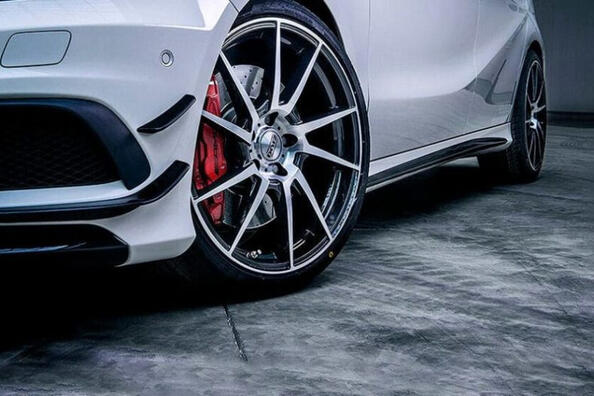

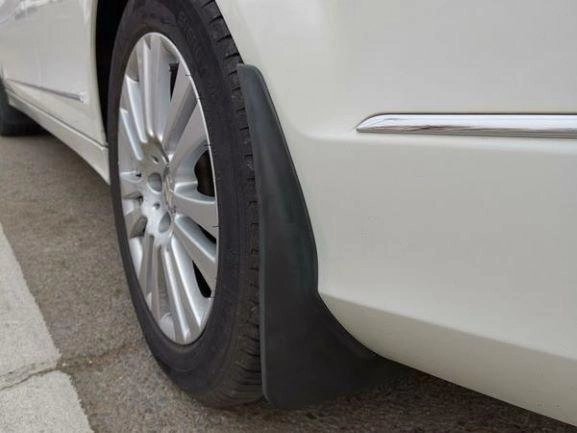
Wheels are not just a functional part of the car, but also a stylish element that can significantly affect the appearance and character of your vehicle. The right choice of wheels will not only ensure safety and driving comfort, but will also add zest to the design. You will also significantly transform your car and make it look unique if you use tuning accessories that are available in our online store.
The first step in choosing wheels is to determine the material of manufacture. Aluminum, steel and light alloys are the main options. Aluminum discs are light and have excellent thermal conductivity, which improves brake cooling. Light alloys such as magnesium or titanium give the car a modern and stylish look.
Car wheels are marked using a standard marking system, which is a combination of numbers and letters. This marking indicates various parameters of the discs, such as size, type, material and other characteristics. Here are the main elements of marking:
Size:
Type:
Bolting:
Departure (ET) or retreat:
Indices and markings:
Example of full marking: "17x7.5J ET40 5x114.3". That means the disc is 17 inches in diameter, 7.5 inches wide, 40mm overhang, and has a five-bolt opening spaced 114.3mm apart. This information is important when choosing wheels so that they fit the car perfectly.
Choosing the style and design of the wheels is a matter of taste. From classic spokes and multi-spoke wheels to modern alloy wheels, the market offers many options. However, aesthetic preferences aside, be aware that some designs can affect brake ventilation.
When choosing wheels, you should pay attention to the reputation of the brand. Well-known manufacturers ensure high quality and safety. Read the reviews of other car owners and consult with experts to choose reliable wheels.
If you plan to use the car in different conditions (city, highway, off-road), take this into account when choosing wheels. For example, for off-road, it is recommended to choose rims with reinforced rims that can withstand shocks.
Determine your budget for the purchase of discs. It is important to find a balance between quality and price. Sometimes expensive rims justify their cost with durability and style, but there are more affordable options with decent features.
The choice of wheels is a matter of style and safety. The correct size and parameters of the wheels with the correct offset and bolting will ensure not only an aesthetic appearance, but also optimal handling characteristics. When buying wheels, follow the needs of your car, your driving style and, of course, your own taste.
Shipping to EU
Wholesale and retail
Own warehouse
Опис продукту
Подарунки не надаються при оформленні покупки у кредит під 0,01% або при покупці частинами.