28.11.2025
188
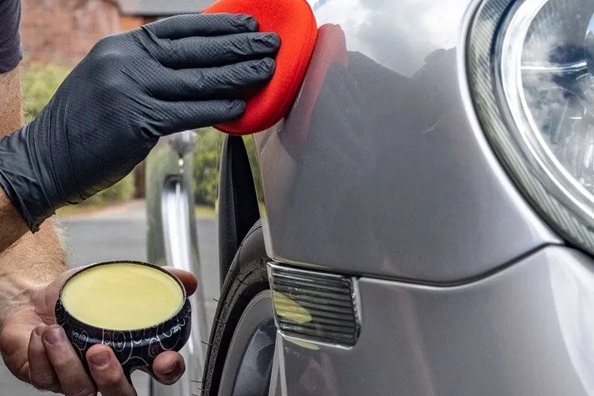

Car wax creates a protective barrier that prevents paint damage from UV rays, road dirt, resin, and chemical agents. But how do you navigate the variety of options and choose the perfect product for your «iron horse»? Let’s try to figure it out. In addition, to make your car look more presentable and expressive, we recommend using tuning, with accessories available in our online store.
Waxes also differ in consistency, which affects ease of application:
To make the right choice, ask yourself a few questions:
What is your main goal? If you want maximum, deep shine for a «show car» – choose carnauba. If your priority is long-term protection and weather resistance – go for synthetic.
How often are you ready to apply wax? For frequent (every 1–2 months) applications, choose liquid or spray. For less frequent (every six months) – hard or synthetic.
Shipping to EU
Wholesale and retail
Own warehouse
Опис продукту
Подарунки не надаються при оформленні покупки у кредит під 0,01% або при покупці частинами.