20.12.2025
1153
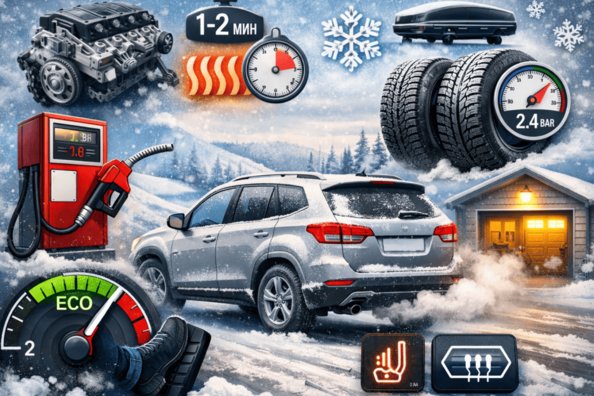
In winter, a car’s fuel consumption can increase by 20–30% due to cold air, engine warm-up, winter tires, and higher resistance. However, with a few simple techniques, you can significantly save on fuel while maintaining comfort and safety. This article gathers proven recommendations to help optimize fuel use in freezing conditions. In addition, to make your car more functional and versatile, we recommend using tuning accessories available in a wide range in our online store.
Long idling is the main “fuel eater” in winter.
Winter tires increase rolling resistance, but the right approach minimizes losses.
Smoothness is the key to efficiency.
By applying these tips together, you can reduce fuel consumption by 10–25%, saving money and reducing engine load.
Shipping to EU
Wholesale and retail
Own warehouse
Опис продукту
Подарунки не надаються при оформленні покупки у кредит під 0,01% або при покупці частинами.