06.01.2026
369
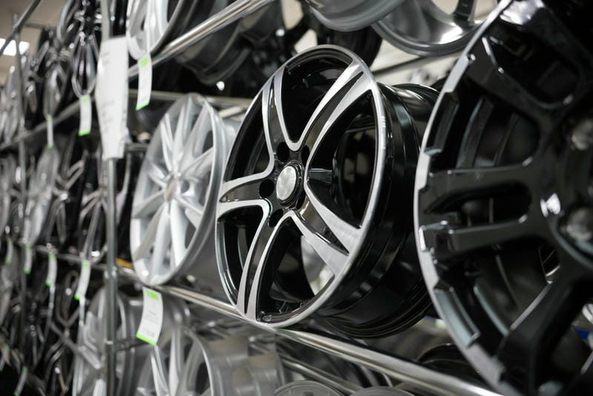

Choosing the right wheels — an important step in car care, as they affect safety, handling, and appearance. Many car owners, during tuning, prefer switching from standard steel to alloy options. Cast and forged car wheels are the most popular alternatives. Let’s look at their differences, advantages, and disadvantages to understand which suits you best.
Cast wheels are made by pouring molten aluminum into a mold, making them affordable and stylish:
Forging under high pressure makes the material denser and stronger:
Cast wheels are suitable for calm city and highway driving — a budget-friendly and attractive option. Forged wheels are ideal for sports, off-road, or when reliability is key. The main drawback of forged wheels — high cost, of cast wheels — brittleness under strong impacts.
Shipping to EU
Wholesale and retail
Own warehouse
Опис продукту
Подарунки не надаються при оформленні покупки у кредит під 0,01% або при покупці частинами.