22.05.2025
218
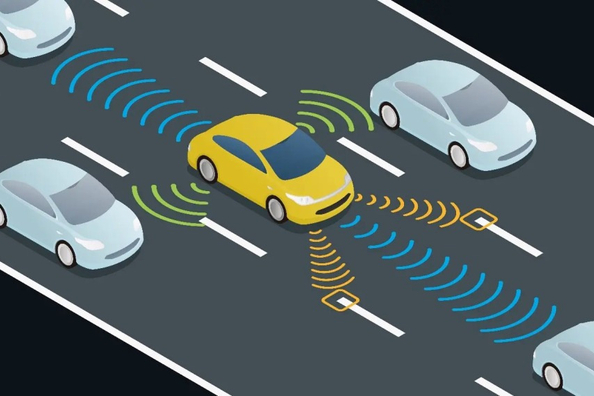

Modern cars are equipped with a variety of technologies aimed at preventing accidents. Active safety systems not only increase driving comfort, but also significantly reduce the risk of road accidents. Let's consider the most useful of them. In addition, your car can become more functional and advanced if you use tuning accessories, a large selection of which is available in our product catalog.
Automatic emergency braking monitors the road situation and automatically applies the brakes if a collision is imminent. This is especially important in heavy traffic or when unexpected obstacles appear.
Advantages:
This technology monitors the vehicle's position relative to road markings and warns the driver of unintentional deviations. If necessary, the car can independently correct the trajectory.
Advantages:
Unlike conventional cruise control, adaptive cruise control maintains a set distance to the vehicle in front by automatically adjusting the speed.
Advantages:
This system warns of vehicles in blind spots when changing lanes using visual or audible signals.
Advantages:
Choosing a car equipped with modern active safety systems directly affects the level of protection for the driver and passengers. Such technologies are becoming increasingly available and mandatory even in budget models, so it is worth paying attention to them when buying a new car.
Shipping to EU
Wholesale and retail
Own warehouse
Опис продукту
Подарунки не надаються при оформленні покупки у кредит під 0,01% або при покупці частинами.