
28.12.2024
318
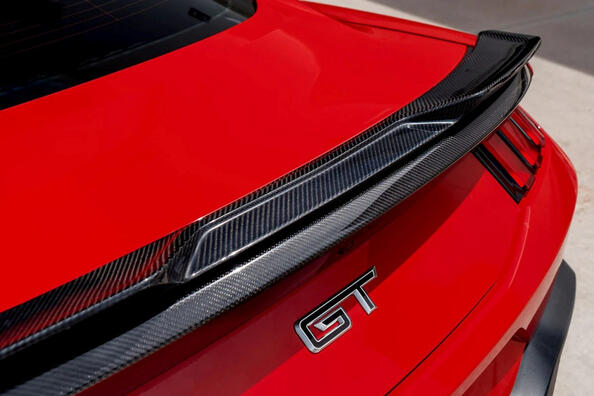

A spoiler on a car is not just a stylish tuning accessory, but also an important element that affects aerodynamics and handling. The choice of material for a spoiler plays a key role in its effectiveness and durability. Let's consider the main options.
Advantages:
Disadvantages:
Advantages:
Disadvantages:
Advantages:
Disadvantages:
Advantages:
Disadvantages:
The choice of material for a spoiler is an important aspect that affects the appearance and performance of the car. Carbon fiber offers the best combination of lightness and strength, but can be expensive. Plastic is an economical option, while metal spoilers provide excellent reliability. It is important to consider your needs and budget when choosing the right material.
Shipping to EU
Wholesale and retail
Own warehouse
Опис продукту
Подарунки не надаються при оформленні покупки у кредит під 0,01% або при покупці частинами.