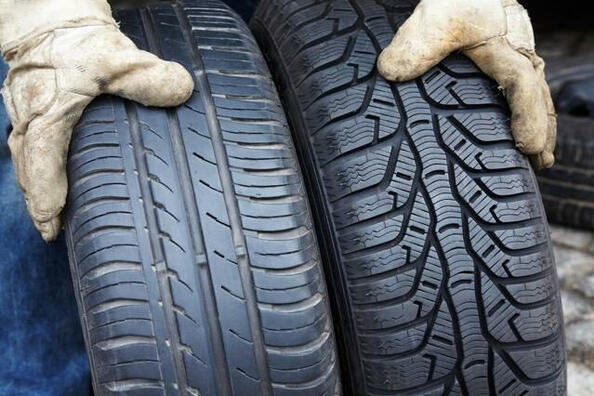
Choosing the right tires for your car is an important safety factor on the road. Winter and summer tires have significant differences that affect their characteristics in different weather conditions. In this regard, many novice drivers ask the question: what is the difference between winter and summer tires? Let's figure it out. In addition, to improve the functionality of the car and add individuality, it is recommended to use tuning accessories, a wide range of which is available in our online store.
Rubber compound
- Winter tires: made of a softer rubber compound that maintains elasticity at low temperatures. This provides better traction on ice and snow.
- Summer tires: have a harder rubber compound that provides optimal grip on dry and wet roads at high temperatures.
Protector
- Winter tires: have a deep tread with a large number of lamellae (thin slots). This provides better traction on snow and ice, as well as effective drainage of water and snow.
- Summer tires: have a flatter tread with fewer sipes. This helps improve handling and braking on dry and wet roads.
When to use which tires?
- Winter tires: recommended for use at temperatures below +7 degrees Celsius. They provide optimal traction on snow, ice and wet roads.
- Summer tires: used when the air temperature is above +7 degrees Celsius. They provide better grip on dry and wet roads, as well as improved handling.
It is important to remember:
- Using summer tires in winter significantly increases the risk of accidents due to reduced traction.
- Winter tires also lose their properties at high temperatures, which can negatively affect handling.
- The correct choice of tires according to the season is the key to safety on the road.
The choice between winter and summer tires depends on the climatic conditions of your region and the season. Correct use of tires will help maintain safety and extend their service life.