 Author: Radomskyi Maksym Vasyliovych
If you need one crossover for every task, the stronger base pick here is the BMW X3 30 xDrive. It’s barely more expensive than the Mercedes-Benz GLC 300 4MATIC, but looks more practical in terms of cargo space, more efficient in daily driving, and overall more engaging behind the wheel.
The GLC X254 wins in other areas: a quieter ride, softer responses, and an interior that feels more expensive in the details. The pricier versions are worth it only for your specific use case: the X3 M50 xDrive is for someone who genuinely wants a very fast crossover, and the GLC 350e 4MATIC only makes sense if charging isn’t occasional for you, but daily.
What the choice really comes down to
The main difference isn’t in the power figures, but in character. The BMW X3 G45 is a more tied-down, versatile, and practical crossover with a better balance of performance, consumption, and space. The Mercedes-Benz GLC X254 is calmer, quieter, and stronger exactly where buyers expect a “premium feel”: isolation, smoothness, and cabin ambiance.
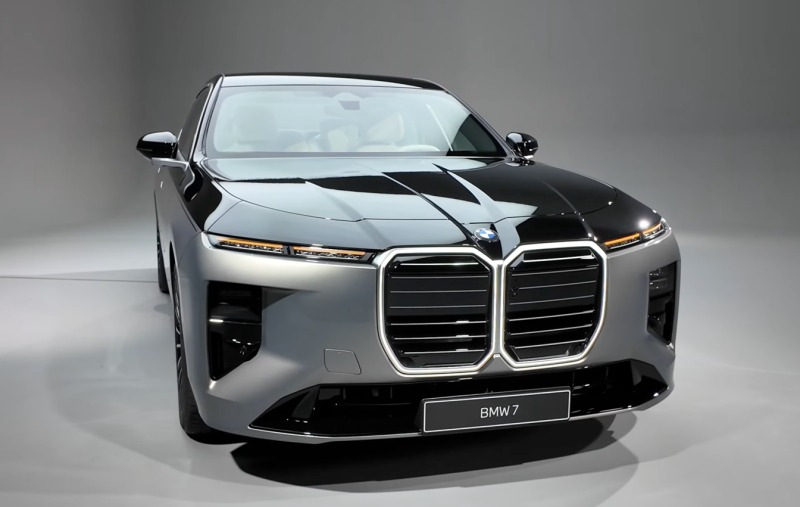
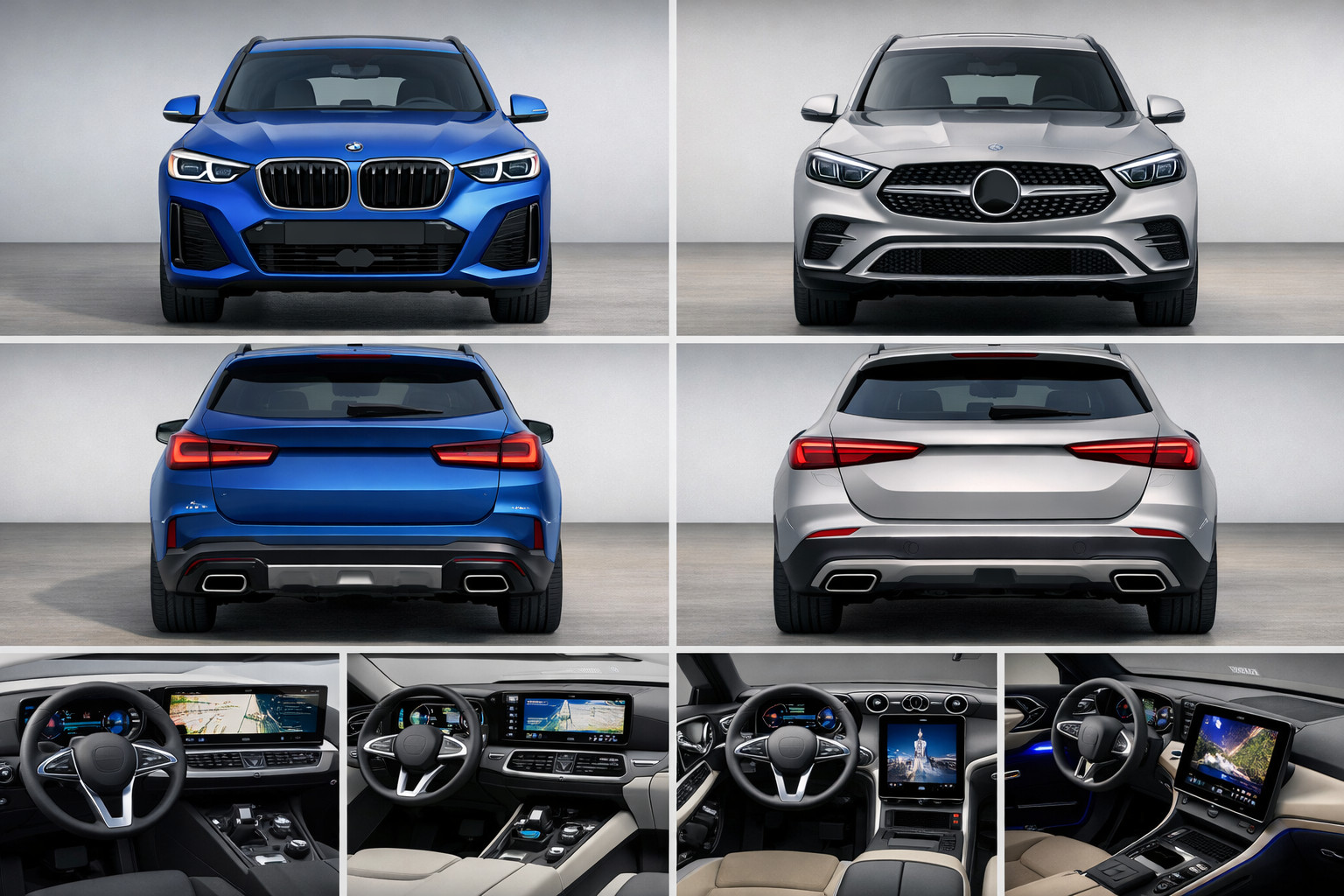
In terms of design, the split is even simpler. The X3 looks more monolithic and sharp, with a more assertive front end and more modern lighting graphics. The GLC presents itself more softly: more chrome, smoother lines, and a more showroom-like interior. So the choice here isn’t between “better” and “worse,” but between the more rational BMW and the more comfortable Mercedes.
Which criteria to compare by
- Price. The X3 30 xDrive starts at $51,300, the GLC 300 4MATIC at $51,550. The difference is minimal, so what matters is not the entry price but what you get for the money.
- Engine and transmission. Both base versions have 255 hp and 400 N·m and accelerate to 96.6 km/h in 6.0 s, but the BMW is more efficient, while the Mercedes focuses on smoothness.
- Noise and comfort. The GLC is quieter and softer. The X3 on standard wheels is well balanced, but on larger rims and with a more aggressive package it can become harsher and louder.
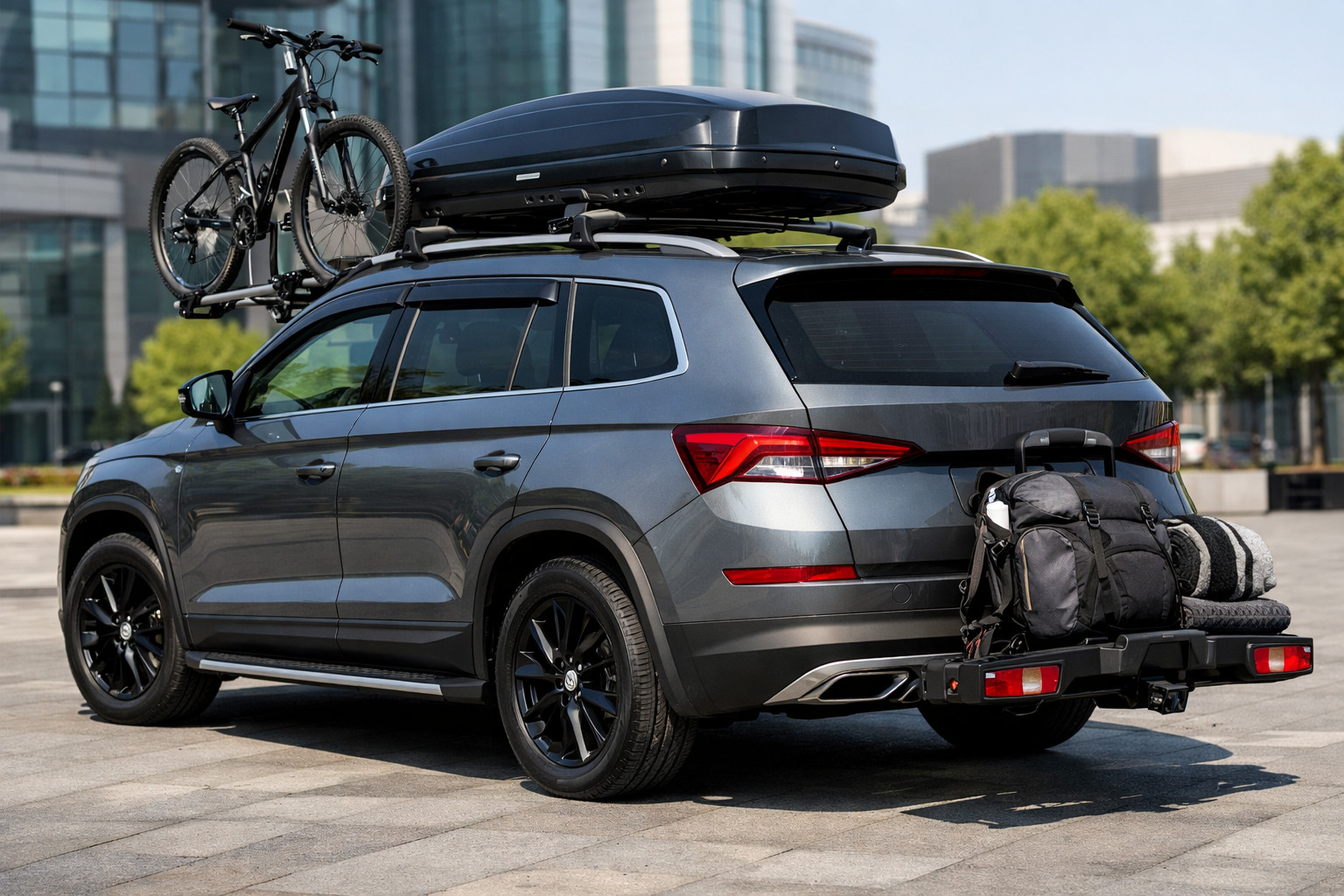
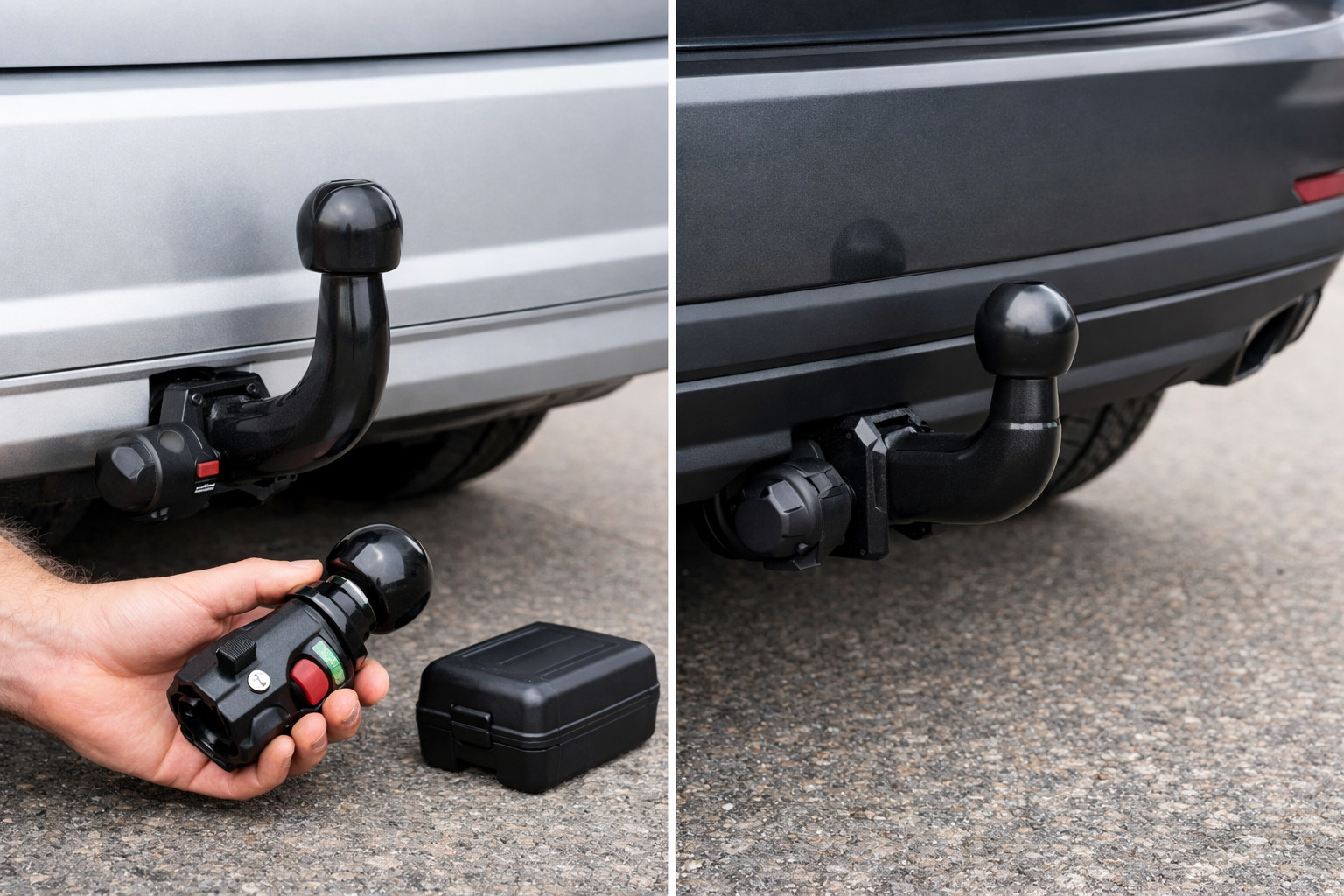
- Practicality. The BMW has a larger trunk—892 L—and better capability for trips with gear or towing. The GLC’s trunk is smaller, but the cabin feels more upscale.
- Longevity and complexity. Both generations are still new, so long-term durability data is only now being built. Early on, there are more questions around software and electronics than mechanicals.
- Installation and infrastructure. For the GLC 350e this is a separate criterion: if you don’t have convenient daily charging at home or at work, the point of a plug-in hybrid drops sharply. This is the only version in this pair where installing a charging point directly affects whether the purchase makes sense.
- Equipment and ergonomics. BMW is strong on the base digital architecture, Mercedes on ambiance, lighting, audio, and the overall cabin feel. But with both, a lot depends on the options package and the market.
Quick comparison of versions (table)
| Version | Strengths | Weaknesses | Who it suits |
|---|---|---|---|
| BMW X3 30 xDrive | A solid balance of performance, consumption, cargo space, and handling; 892 L trunk; better for long trips and towing | Polarizing design; simpler lower cabin zones; interface heavily menu-driven | Those who want one all-round crossover without obvious weak points |
| Mercedes-Benz GLC 300 4MATIC | Quieter ride, softer delivery, noticeably more premium interior, strong multimedia ambiance | Smaller trunk; less driver-focused character; some controls rely on touch and haptic buttons | Those who value comfort, quietness, and a more upscale interior feel |
| BMW X3 M50 xDrive | 393 hp, 580 N·m, 4.4 s acceleration; very strong pull in reserve | Significant price premium; higher consumption; stiffer and potentially noisier character | Those who genuinely enjoy fast driving, not just want the “top” badge |
| Mercedes-Benz GLC 350e 4MATIC | Up to 87 km electric range; very calm urban mode; fast DC charging | More expensive, heavier, more complex; without regular charging the point almost disappears; even slower than the GLC 300 | Those who charge daily and do most trips in the city |
Detailed breakdown of each version
BMW X3 30 xDrive
This is the version that looks like the strongest compromise. With 255 hp and 400 N·m it matches the GLC 300 in straight-line acceleration, but wins on consumption, trunk space, and the feel of torque. For a family, travel, winter, and simply long-term ownership, it’s a very convenient entry point: no overpaying for exotic tech, but everything you need is already there.
In terms of equipment, the X3 is modern and well stocked, but it’s important not to overdo the “pretty” options. Large wheels and sporty packages can ruin the very versatility that makes it worth choosing. If you want quietness, don’t automatically chase the biggest wheel in the configurator.
Mercedes-Benz GLC 300 4MATIC
The GLC 300 isn’t weaker on paper, but it drives differently. It isolates the driver from the road better, swallows small imperfections more softly, and creates a more expensive impression inside. If a crossover for you is first and foremost calm daily transport with good sound insulation, the GLC is very convincing here.
The compromise is that it’s less practical and less playful. The trunk is smaller, and the character isn’t as tied-down as in the BMW. So the GLC wins not on rationality, but on the feeling of comfort and solid quality in everyday use.
BMW X3 M50 xDrive
This isn’t just a “better equipped X3,” but a car with a different temperament. 393 hp and 580 N·m deliver 4.4 s to 96.6 km/h, and the reserve of thrust is noticeable in any mode. If you truly value the difference between simply quick and very quick, the M50 has its logic.
But as an all-round purchase it’s weaker than the X3 30 xDrive. The premium is big, consumption is higher, and comfort in a more aggressive configuration is no longer as carefree. This isn’t a “must-have upgrade,” but a niche choice for someone who specifically wants dynamics.
Mercedes-Benz GLC 350e 4MATIC
The most complex version of the four. On paper it’s appealing: 313 hp combined, 551 N·m, up to 87 km electric range, fast charging, and very quiet city use. But all of that works only when the car is actually charged every day.
If there’s no charging, you end up with a more expensive and more complex vehicle with less obvious benefits. Plus, this version isn’t about sportiness: despite higher combined output, it’s even slower than the GLC 300. Caution about longevity is also justified: the new generations haven’t built up long statistics yet, and with early cars people talk more about electronics, updates, and displays than classic mechanical failures.
Which version is best for different scenarios
If you need one crossover with no complicated caveats, get the BMW X3 30 xDrive. It’s the clearest choice for those who drive both in the city and on the highway, carry family and gear, occasionally tow, and don’t want to pay for unnecessary complexity.
The Mercedes-Benz GLC 300 4MATIC is better where the driver values calmness rather than chassis reactions. It’s nicer in quiet day-to-day use, suits those who spend a lot of time in traffic, and want a cabin with the most “expensive” feel possible.
The X3 M50 xDrive is worth it only for someone who knows exactly why they need nearly 400 hp. The GLC 350e 4MATIC is only for someone who already has a charging habit. As for winter, both base AWD versions are suitable, but tires matter more than the name of the AWD system.
Use case and what to choose (table)
| Scenario | What to choose | Why |
|---|---|---|
| Daily city driving without charging | BMW X3 30 xDrive | No extra complexity, better balance of consumption, performance, and practicality |
| Daily city driving with home or office charging | Mercedes-Benz GLC 350e 4MATIC | You can use EV mode regularly, and then the plug-in hybrid starts to pay off as an idea |
| Long trips, family, luggage | BMW X3 30 xDrive | Larger trunk, better versatility, and higher towing potential |
| Calm driving, quietness, soft ride | Mercedes-Benz GLC 300 4MATIC | Better sound insulation, softer delivery, and a more premium cabin feel |
| Active driving and reserve pull | BMW X3 M50 xDrive | The quickest and most emotional option in this group |
| Winter and slippery roads | BMW X3 30 xDrive or GLC 300 4MATIC | Both are suitable, but the key factor here is the right winter tires |
Common mistakes when choosing
- Comparing the X3 30 xDrive to a rear-wheel-drive GLC 300, instead of the GLC 300 4MATIC. That’s a different configuration and a different price point.
- Buying the GLC 350e “just in case” without having anywhere to charge. Without that, a plug-in hybrid loses its main purpose, and installing a charging point suddenly becomes not a minor detail but a critical issue.
- Buying the X3 M50 xDrive just for the badge. If the difference between 6.0 and 4.4 s doesn’t matter to you, it’s smarter to stick with the X3 30.
- Ignoring how wheels and packages affect noise and ride harshness. A more eye-catching configuration isn’t always better in daily use.
- Judging the car only by screens and ambient lighting. In practice, trunk space, ergonomics, quietness, and consumption affect satisfaction more.
- Not checking update status and how electronic features work on early cars. For new generations, this matters more than hunting for “legendary” mechanical reliability.
When a pricier choice makes sense
Paying extra is worth it only when the more expensive version delivers a tangible result in your exact usage. With BMW, that’s the X3 M50 xDrive for those who want maximum pull and fast reactions. With Mercedes, it’s the GLC 350e 4MATIC if you have regular charging and an urban route where EV mode works daily, not once a week.
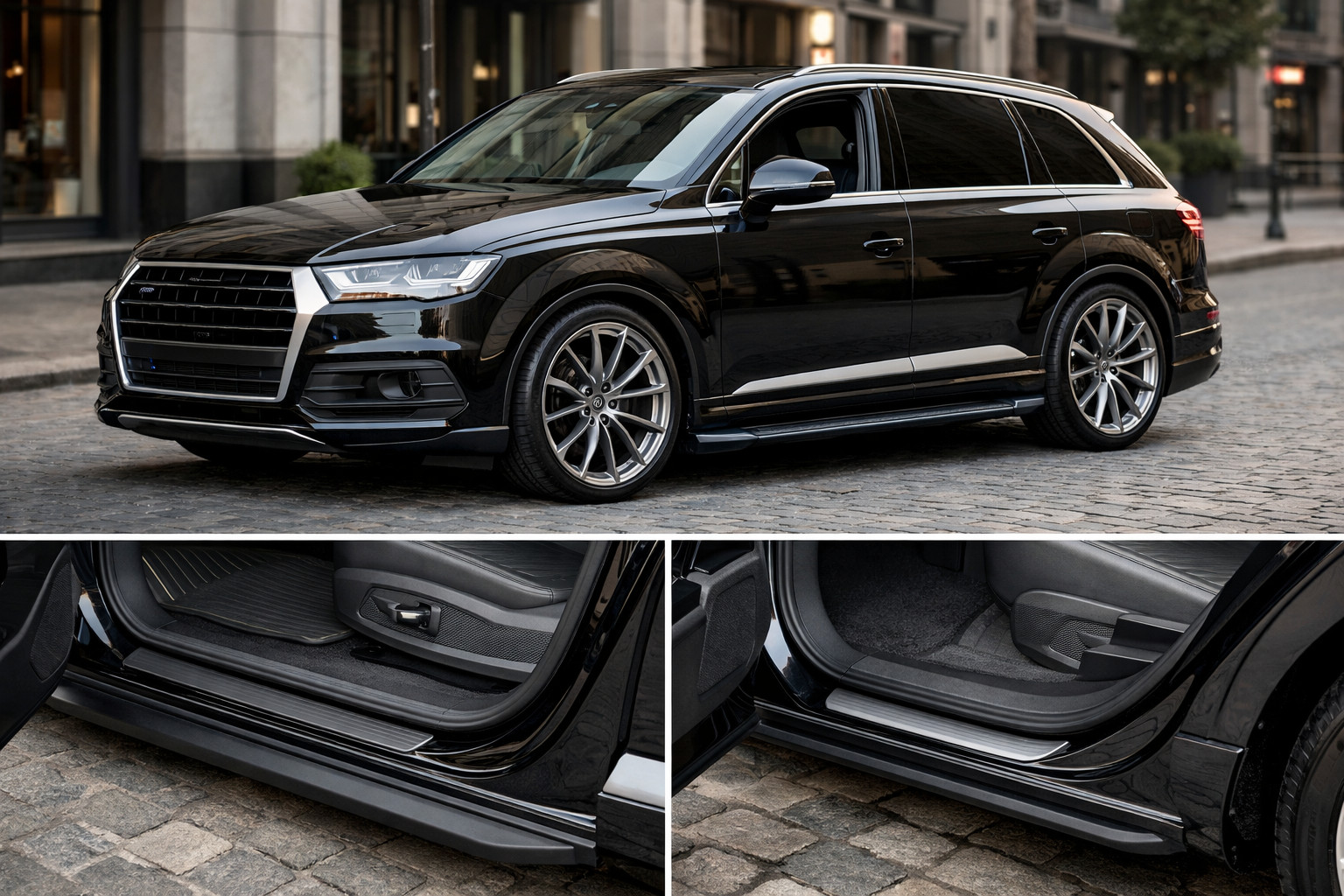
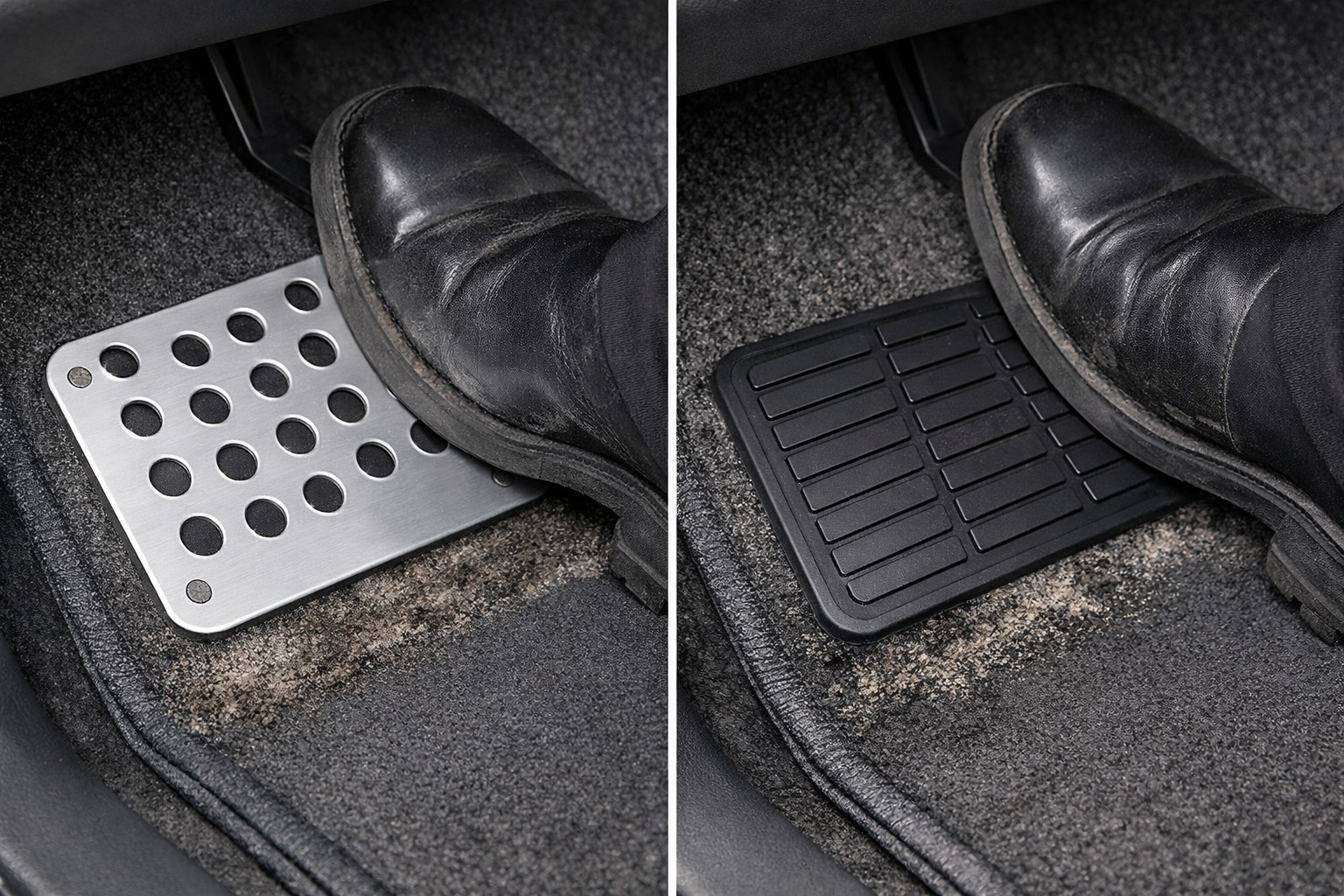
In many cases, it’s smarter not to go for the top engine, but to choose the right configuration and practical add-ons. If after purchase you plan to tailor the car to yourself, it makes sense to look right away at BMW accessories, separately evaluate solutions for the GLC X254, or browse the overall Mercedes-Benz catalog. Often, the benefit of the right mats, trunk protection, door sills, or small body add-ons is greater than paying extra for a version whose potential you won’t use.
Conclusion
The BMW X3 G45 looks like the better all-round choice, especially in 30 xDrive form: it’s more practical, more efficient, and better balanced. The Mercedes-Benz GLC X254 is stronger in quietness, softness, and the overall cabin impression. If you want maximum performance, look at the X3 M50 xDrive. If you want a plug-in hybrid, the GLC 350e only makes sense with daily charging. The simple takeaway: don’t choose by how it looks in the configurator—choose based on your real routes and habits.
Pros and cons
BMW X3 30 xDrive looks like the most balanced option: it combines decent dynamics, lower fuel consumption, and a larger trunk. For daily driving, family use, and highway trips, this is a more practical configuration.
The Mercedes-Benz GLC 300 4MATIC better isolates you from the road and offers a smoother ride. In everyday city driving, it feels quieter and more comfortable than the X3.
The BMW X3 has a stronger practical side: 892 l of trunk space and better capabilities for carrying cargo or towing. This makes it more convenient for travel and everyday use.
The BMW X3 M50 xDrive delivers a very noticeable reserve of power and accelerates from 0 to 96.6 km/h in 4.4 s. This is a particularly strong option for those who truly need speed, not just a more expensive badge.
The Mercedes-Benz GLC 350e 4MATIC makes sense in a scenario with regular charging: up to 87 km of electric range and quiet city driving can be useful in exactly such a mode. In the city, this allows you to drive on electric power more often.
Without convenient daily charging, the GLC 350e 4MATIC quickly loses its appeal. In that case, you are paying for a more complex and more expensive car without getting the main advantage of a plug-in hybrid.
The BMW X3 M50 xDrive is noticeably more expensive to run and less comfortable in its stiffer setup. For most buyers, its advantages do not outweigh the extra cost unless maximum performance is exactly what is needed.
The Mercedes GLC has a smaller trunk, and its character is less composed and less driver-focused than the BMW. This reduces its versatility for trips with a lot of luggage or a more active driving style.
Large wheels and sport packages on the BMW X3 can make the ride stiffer and noisier. As a result, it is easy to spoil the versatility that makes this model worth choosing in the first place.