24.09.2026
35
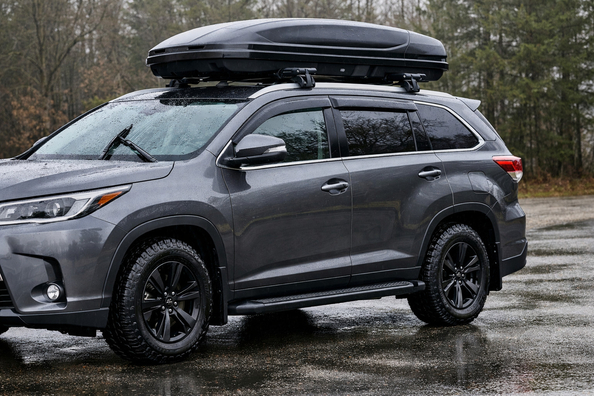
This plan is for a driver who wants to cruise more calmly in rain, slush, and snow—not just buy a few accessories for looks. If the goal is a predictable car on the highway, clear glass, less dirt in the cabin, and no extra noise, you should start not with plastic add-ons, but with grip and visibility.
An important nuance: the set of upgrades depends not on the vehicle class, but on the climate, the car’s condition, and your driving routine. For a mild winter and relaxed highway driving, quiet road-oriented all-season tires are often enough, but where snow and ice are regular, the logic is different—you need a dedicated winter set.
In this scenario, the upgrade needs to solve three things: keep the car stable on wet and cold roads, maintain visibility in rain and wet snow, and reduce the everyday winter impact on the cabin and body. If even one of these points sags, there won’t be real highway comfort even with expensive accessories.
That’s why the key question isn’t what looks “winter-ready,” but what actually affects braking, vehicle control, and driver fatigue. That’s the order in which the budget should be spent.
Top priority: tires. For quiet highway driving and a mild winter, a calm highway or grand-touring all-season tire generally works better than an aggressive tread. If temperatures in your region consistently stay below 7°C, there’s slushy snow, morning ice, or frequent trips out of town, a dedicated winter set provides noticeably more margin.
Second priority: visibility. Fresh wiper blades—preferably frameless or winter-type—plus winter washer fluid deliver a quick, inexpensive result. Also check remaining tread depth: on wet roads, a heavily worn tire becomes a problem earlier than you’ll notice in the city at low speeds.
| Upgrade | Why it’s needed | Who truly benefits |
|---|---|---|
| Quiet road all-season tires | Less highway noise, better balance on wet asphalt | Drivers with a mild winter, calm style, and lots of highway miles |
| Dedicated winter set | Better grip in cold, snow, and ice | Those who regularly drive in freezing temps, slush, and on less-than-perfectly cleared roads |
| New wipers and winter washer fluid | Restore proper visibility in rain and wet snow | Almost everyone, especially if there are streaks, missed spots, or the fluid freezes |
| Rubber floor mats with raised edges | Keep water, snow, and salt out of the factory carpet | Winter city driving, frequent short trips, family cars |
| Mud flaps | Reduce dirt and sandblasting on sills and the lower part of the doors | Those who often drive in slush, on wet roads, or on gravel |
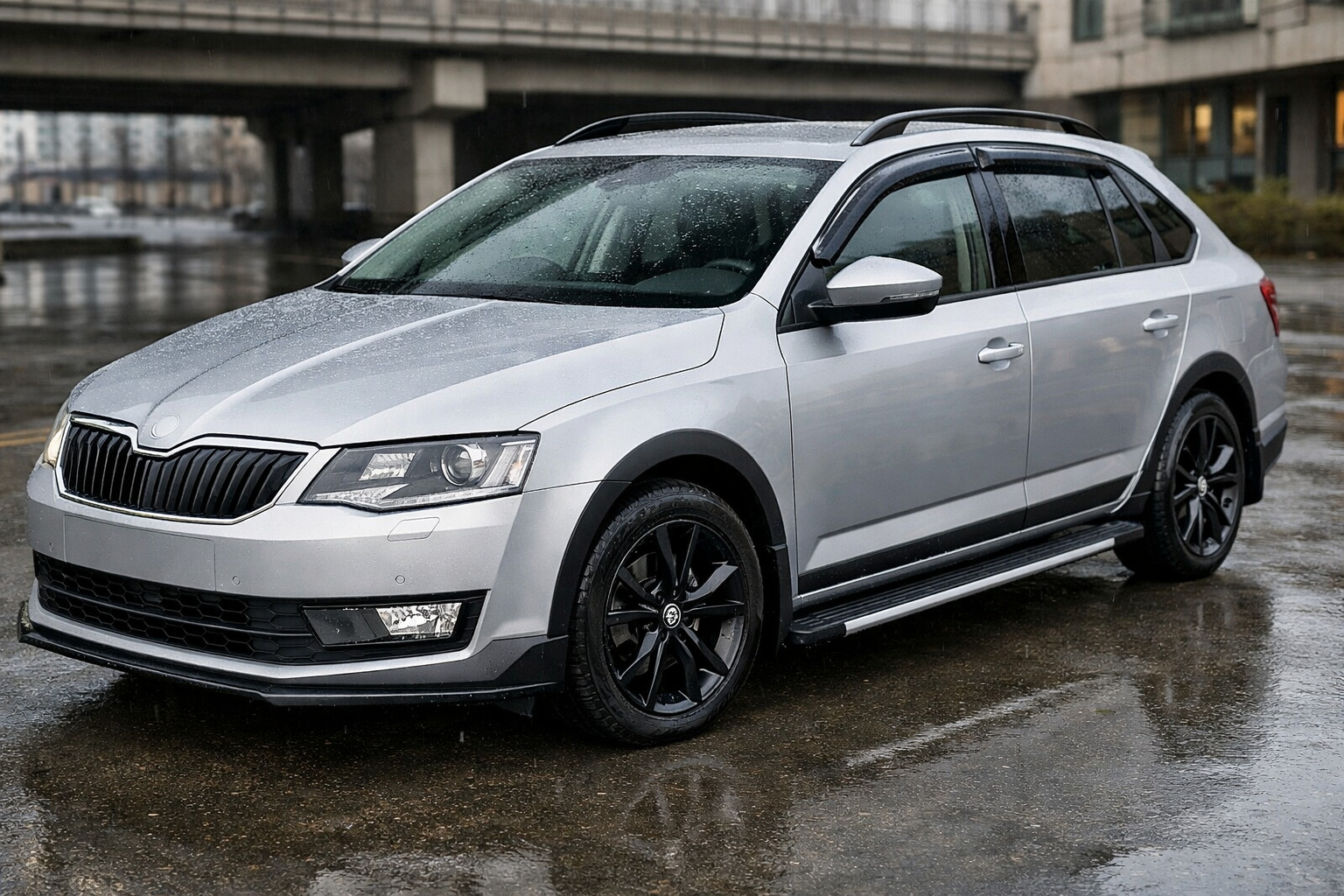
| Window deflectors | Let you crack a window in the rain without a direct draft | Those who often air out the cabin while driving or fight fogging |
| Hydrophobic coating on glass | Makes wipers’ job easier in light rain | Those who drive highways often, but have already covered the basics |
DD Tuning expert comment: the most common mistake is looking for quietness and control in deflectors or other accessories when the real problem is tires and visibility. The second typical miss is buying universal parts without considering the body shape and ground clearance, then ending up with whistling, extra noise, or inconvenience in daily driving. If the budget is limited, cover tires, wipers, and washer fluid first—and only then everything else.
After the basics, it makes sense to move on to protecting the cabin and body. Rubber floor mats with raised edges are one of the most down-to-earth but useful winter upgrades: they contain water, snow, and salt, and in spring you won’t have to rescue a soaked carpet.
Mud flaps are also a logical second stage if the car often drives in slush or on dirty country roads. But ground clearance matters: on low cars with lots of curbs and speed bumps, an overly bulky set can annoy you more than it helps. A hydrophobic coating on the glass is useful too, but only as an add-on to good wipers—not as a replacement for basic maintenance.
Window deflectors are a typical upgrade with a double effect. They really can be convenient if you like driving with a slightly open window in the rain or want gentler ventilation without a direct stream in your face. In that scenario, it’s a practical item.
But you shouldn’t make them the main upgrade for a quiet highway ride. They don’t replace the right tires, they don’t fix poor visibility, and they don’t guarantee less noise on every car. On some body styles the effect is fine; on others, whistling or extra wind noise outweighs any benefit—especially if the part is chosen carelessly.
Most often, people waste money on aggressive A/T or even harsher tires sold as “all-terrain,” even though the car spends almost all its time in the city and on highways. For your scenario, that usually means more noise, a harsher ride, and worse day-to-day comfort without any real gain.
The second mistake is overpaying for decorative items before sorting out wipers, washer fluid, and tire condition. The third is universal deflectors bought purely based on price. If they don’t fit precisely, there’s little benefit—and the chance of hearing a whistle at speed is very real.
| Scenario | What to install first | What can be postponed | What isn’t required |
|---|---|---|---|
| Mild winter, lots of wet highway | Quiet road tires, tread check, new wipers, winter washer fluid | Rubber mats, hydrophobic coating | Deflectors if you don’t drive with windows cracked |
| Regular snow and freezing temps | Dedicated winter set, winter-type wipers, winter washer fluid | Mats and mud flaps | Expensive decorative accessories without a practical task |
| Mostly city driving, calm style | Wipers, washer fluid, tire check, mats | Mud flaps | Aggressive tires and anything bought only for looks |
More expensive solutions make sense where you’ll actually feel the difference every day. Quality window deflectors justify their price if ventilation in the rain matters to you and you don’t want to deal with whistling caused by an imprecise fit. Good rubber floor mats also pay off quickly when winter is long and you don’t want to dry the cabin every week.
Model-specific mud flaps are worth buying not for looks, but when the car often takes hits from dirt and small stones along the sills. In these items, a pricier option is justified only when it fits better and doesn’t create new problems in daily driving.
From a customer’s experience: the request was simple—less stress on winter highways and less dirt in the car. At first, the person looked at deflectors, but in the end started with quieter road tires for their climate, new wipers, winter washer fluid, and mats, and only added the window accessories later. The biggest difference came not from an exterior add-on, but from proper grip and steady visibility in the rain.
For rain, snow, and a calmer highway ride, the smartest order is: first tires, wipers, and winter washer fluid; then mats and mud flaps; and only after that deflectors or a hydrophobic coating as a second level of comfort. This way you won’t overpay for items that look good but do little to change how the car behaves in real driving.
This material is based on real selection experience, hands-on practice, and real-world use cases: when you need peace of mind on the highway, what matters most isn’t decorative accessories, but proper grip, clear visibility, and protecting the car from everyday winter grime.
| ✔ | It first recommends investing in tires, wipers, and washer fluid — things that really affect traction and visibility in rain and snow. This delivers practical results faster than buying decorative accessories. |
| ✔ | It clearly distinguishes between scenarios for a mild winter and for regular snow and ice. This makes it easier to understand when all-season tires are enough and when a separate winter set is needed. |
| ✔ | There are specific tips for protecting the cabin: rubber floor mats with raised edges hold back water, snow, and salt, which directly reduces dirt and moisture in the car during winter. |
| ✔ | Mud flaps are suggested not as a must-have purchase, but as an upgrade for those who actually drive in slush or on muddy roads. This is useful because ground clearance and possible inconvenience on low cars are taken into account. |
| ✔ | It separately warns that deflectors do not solve noise and poor visibility issues and can even whistle if fitted inaccurately. This helps avoid spending money on something of little effectiveness. |
| ✘ | The material provides almost no exact criteria for choosing tires, apart from general guidelines on climate and temperature. So after reading it, you still need to dig deeper into specific models and sizes. |
| ✘ | For some upgrades, there is no clear boundary between when they are truly needed and when they are already unnecessary. For example, mud flaps or a hydrophobic coating are presented as useful, but without strict effectiveness conditions. |
| ✘ | Part of the advice depends on the body type, ground clearance, and fit of the parts, but it does not explain how to check this before buying. Because of this, the risk of choosing universal accessories incorrectly still remains. |
Shipping to EU
Wholesale and retail
Own warehouse
Опис продукту
Подарунки не надаються при оформленні покупки у кредит під 0,01% або при покупці частинами.