26.06.2026
685
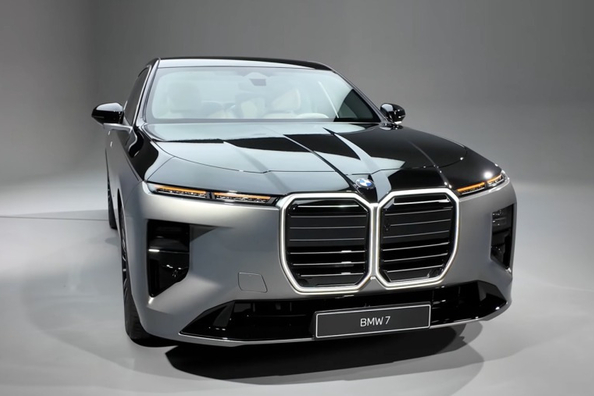
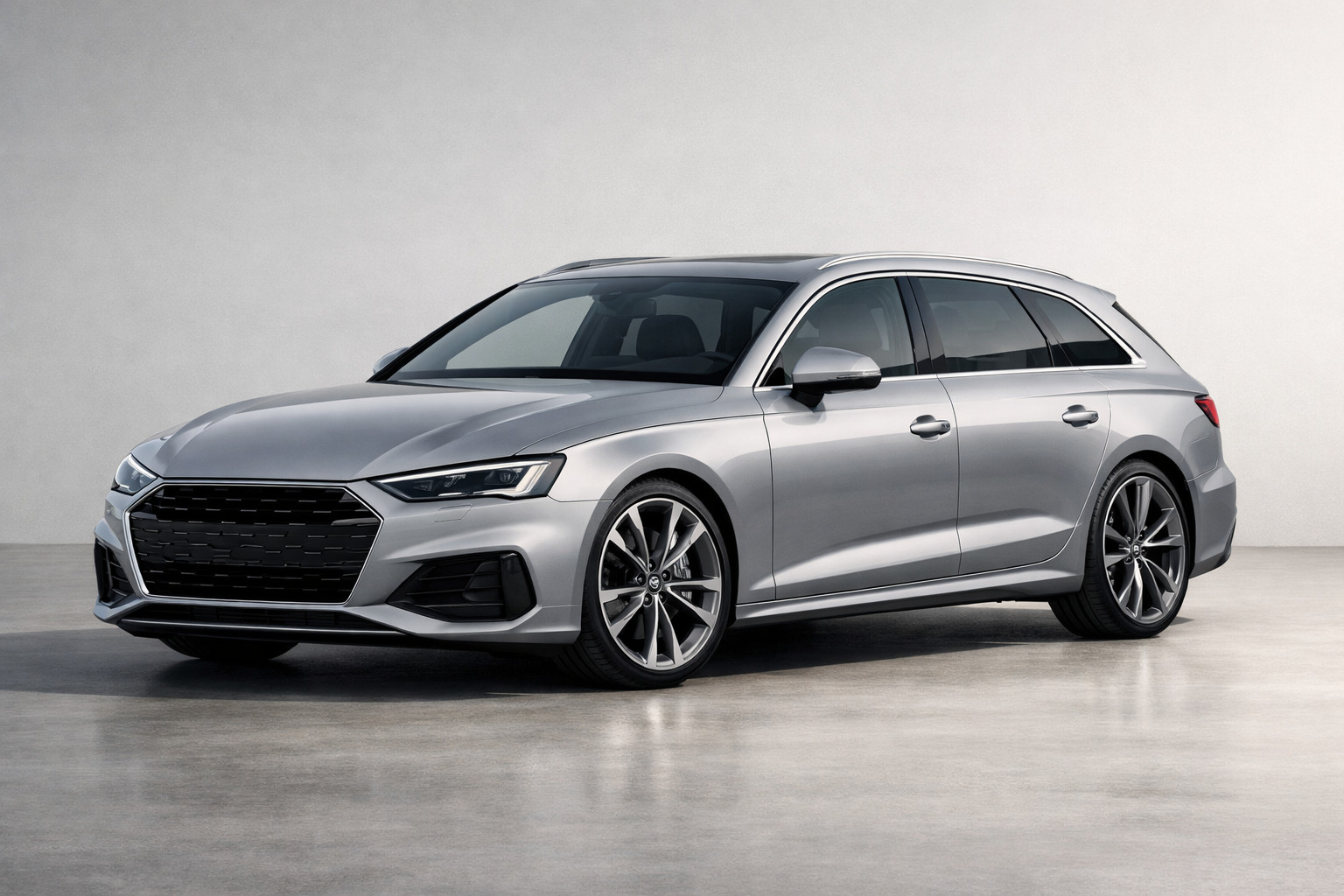
The updated BMW 7 Series 2027 is not a new generation, but a very deep update of the current G70. It’s not just the exterior that has changed: the flagship gets a new control interface, a stronger focus on digital features for the second row, and a revised lineup of petrol, hybrid, and electric versions.
The key nuance with this model is that official figures depend on the market. For the US, Europe, and the UK, the output of certain versions, launch timing, and some consumption/range data differ, so when choosing it’s important to look not only at the 740, i7, or 750e name, but at the exact specification.
The 7 Series remains BMW’s flagship sedan in the large executive class. Its direct rivals are the Mercedes-Benz S-Class, Audi A8, and Genesis G90, but BMW’s character is traditionally a bit more driver-focused: even in a big body it tries to combine second-row comfort with a sense of control behind the wheel.
The 2027 update makes the model even more tech-heavy and even less “conservative.” It suits those who want maximum digital features, a quiet long-distance cruiser, and a genuinely comfortable second row. Not the best option for anyone who needs simple electronics, lower depreciation, or better durability on broken roads.
The BMW 7 Series lineup has existed since 1977: E23 was produced in 1977-1986, E32 in 1986-1994, E38 in 1994-2001, E65/E66 in 2001-2008, F01/F02 in 2008-2015, G11/G12 in 2015-2022. The current G70 generation launched in 2022, and the update for the 2027 model year became a major facelift of the same platform.
For the buyer, this matters for two reasons. First, 2027 doesn’t mean a completely new car—it means a heavily refined G70. Second, in the accessories market the model is often grouped as G70/G71, but in essence we’re talking about the current full-size 7 Series sedan.
The launch lineup depends on the country. In some markets, 740, 740 xDrive, i7 50 xDrive, and i7 60 xDrive arrive first, while 750e xDrive and M Performance versions follow later. European specs already include plug-in hybrids and stronger trims such as the M760e xDrive.
| Version | Powertrain | Power and torque | Performance | Range or consumption |
|---|---|---|---|---|
| 740 xDrive | 3.0L inline-six, mild hybrid, 8-speed automatic transmission | 394-400 hp, 540-580 N·m depending on market | 0-100 km/h in 5.1 s, up to 250 km/h | 8.3-9.3 L/100 km |
| i7 50 xDrive | Two electric motors, all-wheel drive | 455 hp, 660 N·m | 0-100 km/h in 5.5 s, up to 210 km/h | 591-728 km WLTP |
| i7 60 xDrive | Two electric motors, all-wheel drive | 544 hp, 745 N·m | 0-100 km/h in 4.8 s, up to 240 km/h | 581-727 km WLTP |
| 750e xDrive | 3.0L inline-six + electric motor, 8-speed automatic transmission | 489 hp, 700 N·m | 0-100 km/h in 4.8 s, up to 249 km/h | up to 80 km on electric power |
| M760e xDrive | 3.0L inline-six + electric motor, 8-speed automatic transmission | 612 hp, 800 N·m | 0-100 km/h in 4.2 s, up to 249 km/h | up to 79 km on electric power |
Technically, the picture is straightforward: petrol and plug-in hybrids use an 8-speed automatic, while the electric i7 models use dual-motor all-wheel drive. If you want a quiet highway car with minimal vibration, the i7 delivers the strongest impression. If versatility matters without being fully dependent on charging, it makes more sense to look at the 740 xDrive or 750e xDrive.
The current 7 Series is a large sedan with a long wheelbase, and the numbers directly affect everyday life. It’s very spacious inside, but in tight courtyards and parking lots you always feel the size, even with driver-assistance systems.
| Parameter | Value | What it means in practice |
|---|---|---|
| Length | 5395 mm | The cabin and second row are very spacious, but you need parking space |
| Width | 1950 mm | A wide body and door openings, but extra care in narrow passages is a must |
| Height | 1550 mm | Seating isn’t as low as a coupe, but it’s still a sedan, not a crossover |
| Wheelbase | 3215 mm | The main contributor to second-row comfort |
| Ground clearance | 136 mm | Fine for asphalt, but not enough for deep ruts and high curbs |
| Turning circle | 13.1 m or 12.3 m with rear-wheel steering | The option genuinely makes city life easier |
| Trunk | 540 L in 740 xDrive, 500 L in i7, 525 L in 750e and M760e | Good for the class, but the EV has the smallest volume |
The suspension is tuned for comfort and high-speed stability. This is not a car for rough gravel roads or snow ruts up to the sills: 136 mm of clearance plus long front and rear overhangs clearly suggest its environment is good asphalt.
The interior is one of the main reasons to look specifically at the 7 Series. The updated version gets BMW’s panoramic interface, a new operating system, a separate screen for the front passenger, a 31.3-inch 8K rear display, and small touchscreens in the rear doors. If the car is meant for a driver or frequent long trips with passengers, it’s a truly tangible advantage.
For safety and driver aids, the package is strong: lane keeping, braking with evasive assistance, 360° surround view, advanced parking assistants, and on highways a hands-free mode at speeds up to 130-137 km/h depending on the market. But these are Level 2 assistants, not an autopilot, so expectations shouldn’t be inflated.
In the city, the 7 Series surprises not with its size, but with how well it disguises it. 360° cameras, parking systems, and rear-wheel steering help a lot. The issue is different: low clearance, expensive wheels, a wide body, and a long wheelbase don’t like winter courtyards, high curbs, or careless car washes.
On the highway, this is one of the most convincing use cases for the model: quiet ride, strong sound insulation, a comfortable second row, and long range in the electric and hybrid versions. But with the i7 and 750e you need to realistically assess your charging infrastructure, and with petrol and hybrid versions remember that real-world consumption and comfort on 20-21-inch wheels depend heavily on configuration.
| Pros | Cons | How it feels in ownership |
|---|---|---|
| A very strong second row and passenger multimedia | Some features will be unnecessary if you almost always drive alone | The car makes the most sense where the rear seats are actually used |
| A wide range of powertrains: petrol, plug-in hybrid, electric | Different markets make it easy to get confused by numbers and trims | Before buying, you need to verify the exact spec, not rely on general reviews |
| Manoeuvrability for this class is genuinely good | It doesn’t cancel out the physics of the dimensions | Parking is easier, but narrow underground garages still won’t become convenient |
| A quiet, very comfortable highway car | Low clearance and sedan geometry limit use in winter and on rough roads | Strong for asphalt, a compromise for bad roads |
| Lots of digital features and updates | Complex electronics can annoy with minor glitches and imperfect logic | This is a luxury sedan that requires patience with software nuances |
In short, the 7 Series’ strengths are comfort, the second row, quietness, driver aids, and powertrain choice. Weaknesses are electronics complexity, configuration sensitivity, depreciation, and limited tolerance for poor roads.
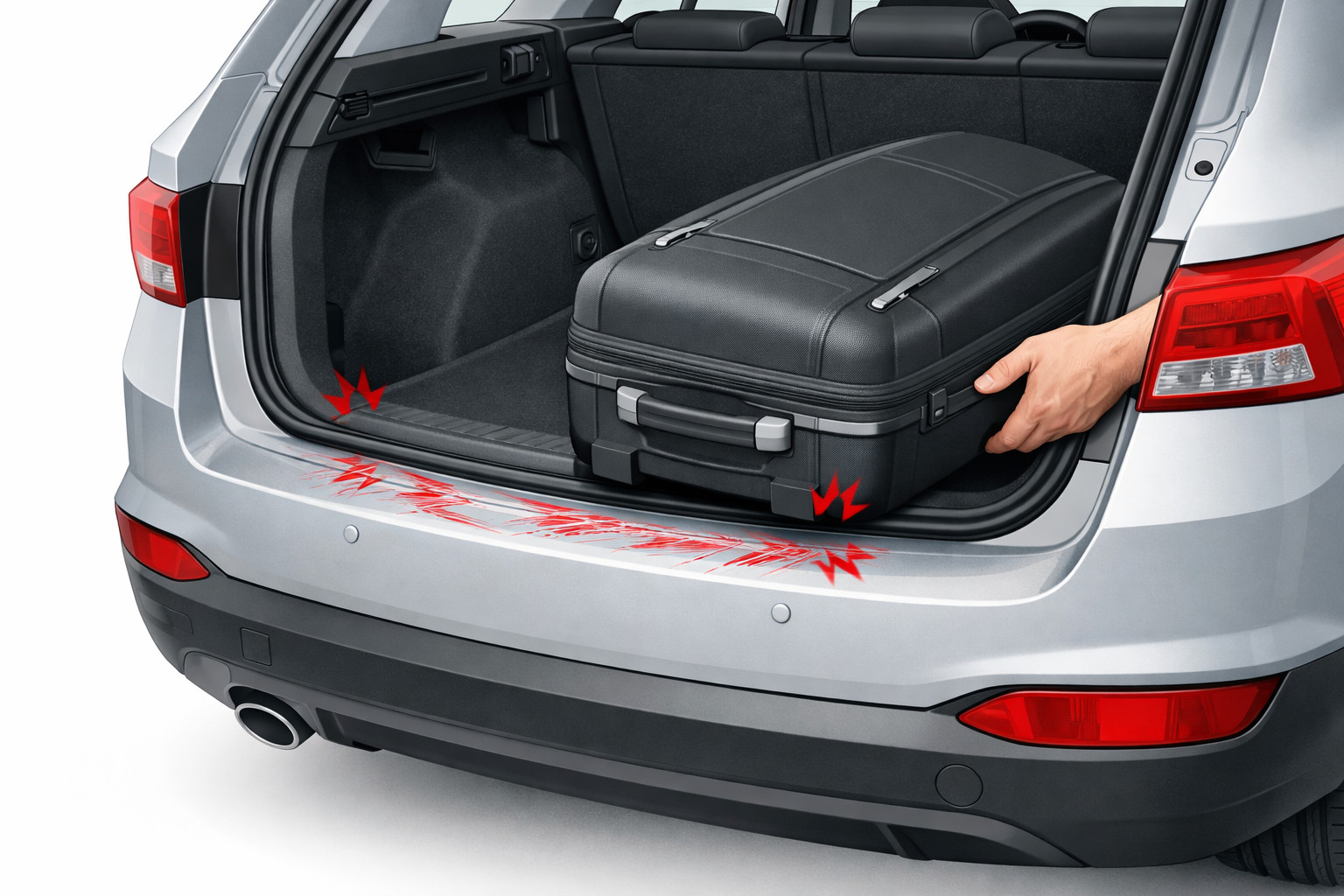
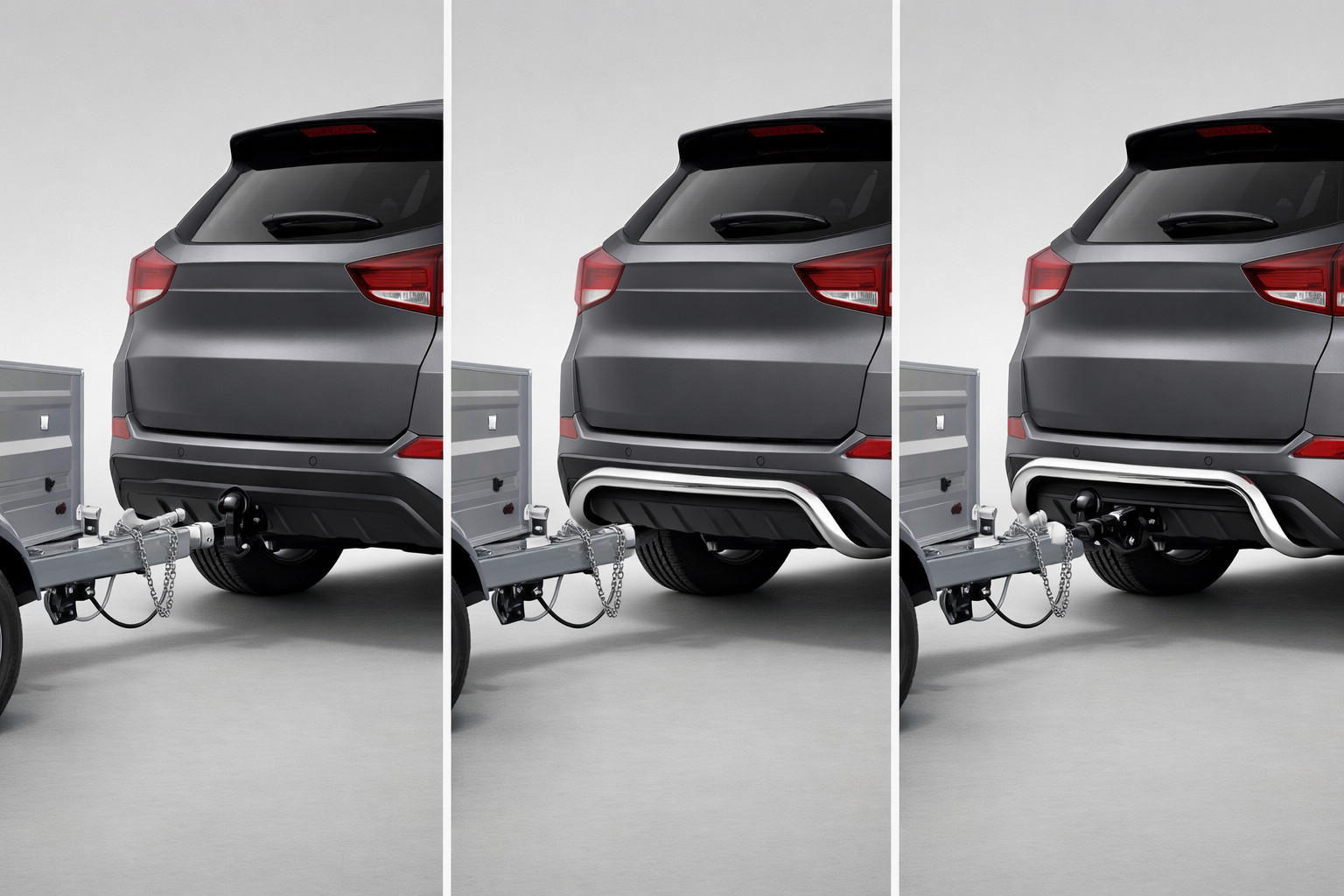
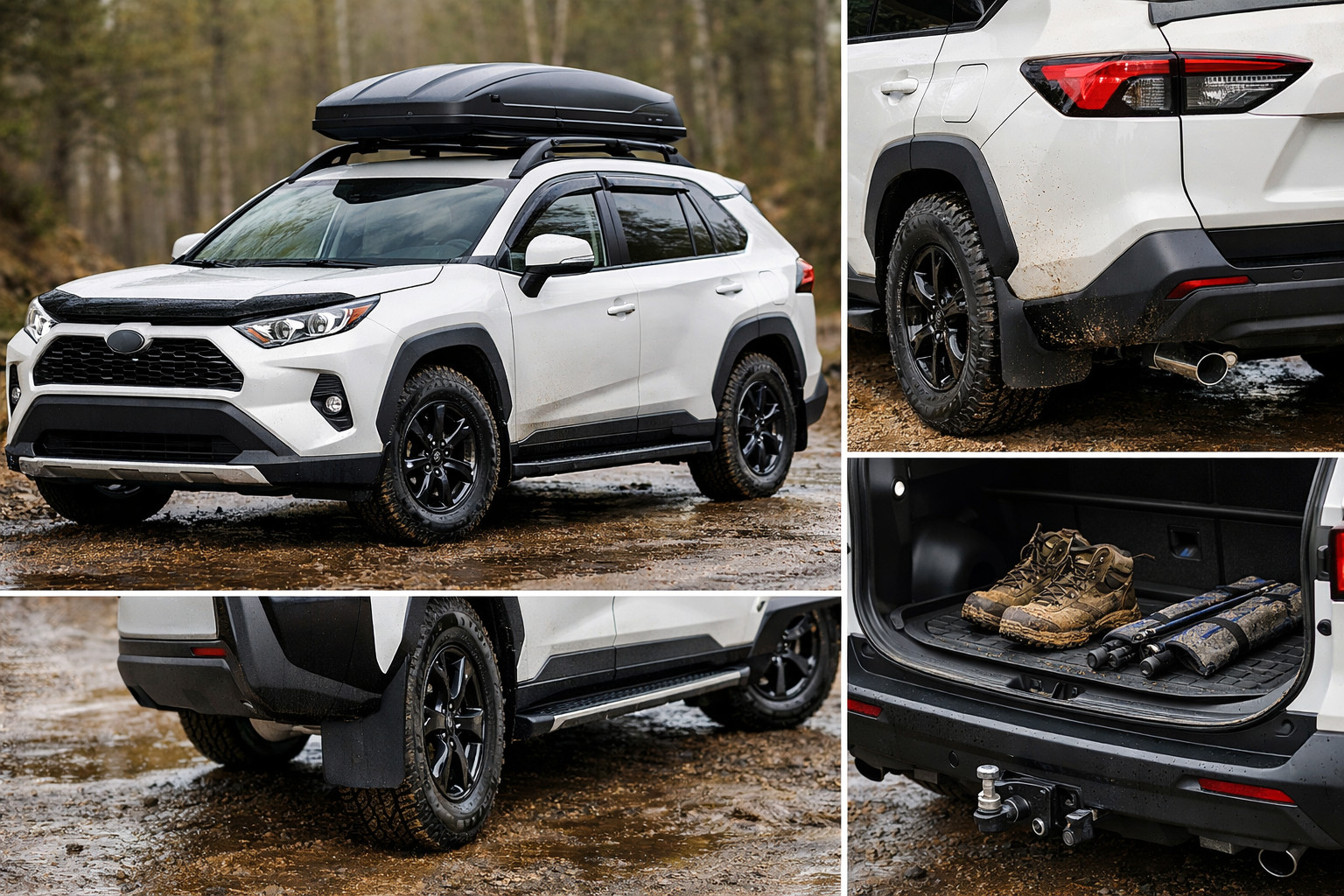
For this model, tuning makes sense when it reinforces your daily use case, not when it simply adds styling pieces. On an expensive sedan, it’s more practical to start with protecting the cabin, trunk, and the lower part of the body. The model’s base page on the site is tyuning-bmw-7-seriya-g70g71.html.
Decorative body kits, spoilers, or carbon aren’t for everyone: the 7 Series already looks expressive, and poor fitment on this body is immediately noticeable. That’s why for most owners the smartest set is items that make cleaning easier, reduce dirt on the sills, and better preserve the interior.
The updated BMW 7 Series 2027 is a flagship for those who need quietness, a strong second row, digital features, and a choice between petrol, plug-in hybrid, and electric drive. It’s not about all-road versatility or simple ownership, but it’s very strong where long trips, passenger comfort, and modern equipment matter.
The most sensible approach to this model is to choose not the “most expensive” version, but the one that matches your route, charging routine, and the real role of the second row. This piece is based on real-world selection practice, experience working with accessories, and typical usage scenarios—not abstract advertising promises.
| ✔ | Strong rear seat: special emphasis is placed on passenger comfort, multimedia, and the large 31.3-inch 8K rear screen. For chauffeur-driven trips or frequent long-distance journeys, this is genuinely useful. |
| ✔ | The wide range of versions lets you choose a configuration for your needs: petrol, plug-in hybrid, or electric. There are more versatile 740 xDrive and 750e xDrive versions, as well as more powerful trims like i7 60 xDrive and M760e xDrive. |
| ✔ | For its class, the model is quite maneuverable, especially with rear-wheel steering. This makes parking and city driving noticeably easier, although the dimensions are still large. |
| ✔ | On the highway, the 7 Series feels very convincing thanks to its quietness, sound insulation, and comfortable suspension. The electric and hybrid versions also offer a solid range or fuel savings. |
| ✔ | After the update, the cabin has become much more modern: new OS, BMW panoramic interface, a separate screen for the front passenger, and expanded functions for the rear row. This adds practical benefit, not just visual appeal. |
| ✘ | The car depends heavily on the specific market and specification: power, consumption, range, and launch dates differ. Because of this, it is easy to make a mistake if you rely only on the version name without checking the details. |
| ✘ | Despite the assistance systems, the 7 Series remains a large sedan with a long wheelbase, a wide body, and low 136 mm ground clearance. In tight courtyards, over high curbs, and on broken roads, this is felt immediately. |
| ✘ | The complex electronics may not be the most convenient in everyday use. The article explicitly mentions the risk of minor glitches and imperfect control logic. |
| ✘ | For electric and plug-in versions, you really need a well-thought-out charging infrastructure. Without it, the i7 and 750e lose some of their practicality. |
Shipping to EU
Wholesale and retail
Own warehouse
Опис продукту
Подарунки не надаються при оформленні покупки у кредит під 0,01% або при покупці частинами.