08.10.2025
381
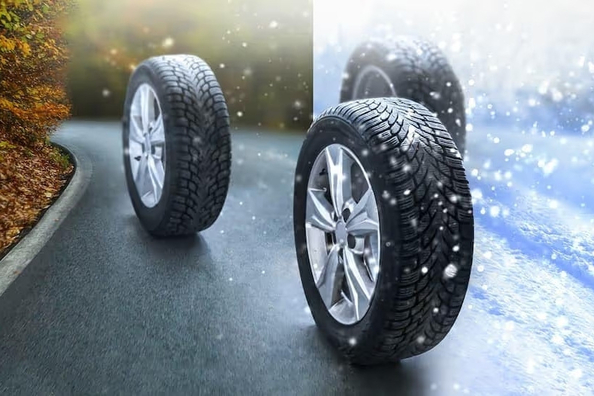
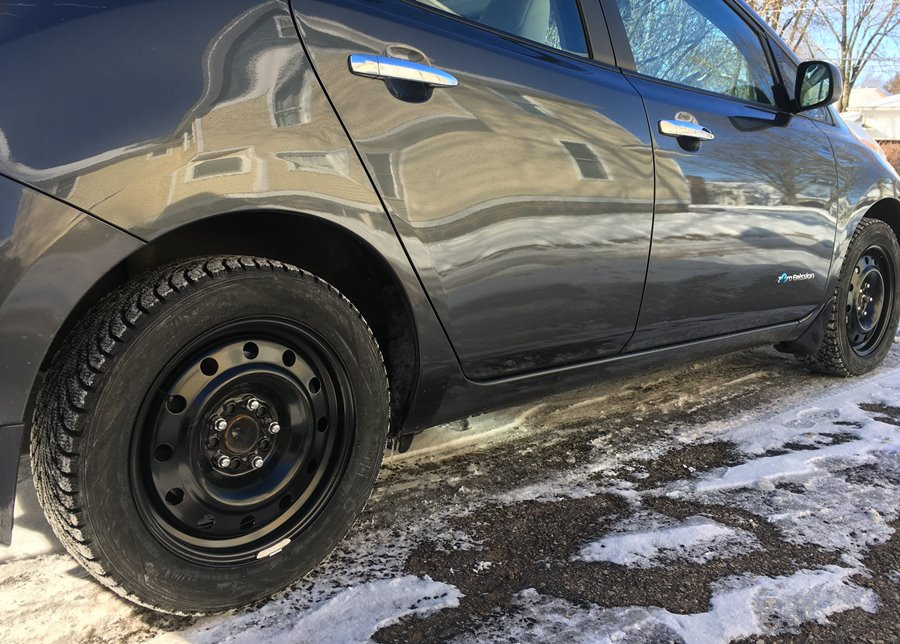
All-season tires may seem like a convenient solution for year-round use, but their performance in winter is often debated. They are designed as a compromise between summer and winter tires, but are they really suitable for the cold season? This article explains whether all-season tires can be used in winter and under what conditions. You can also enhance your car’s functionality and make it more practical by adding tuning accessories, available in a wide selection in our online store.
All-season tires combine the features of summer and winter tires:
All-season tires are suitable for winter only in regions with:
All-season tires are a compromise, but for safe winter driving, specialized tires are the better choice.
Shipping to EU
Wholesale and retail
Own warehouse
Опис продукту
Подарунки не надаються при оформленні покупки у кредит під 0,01% або при покупці частинами.