03.11.2025
250
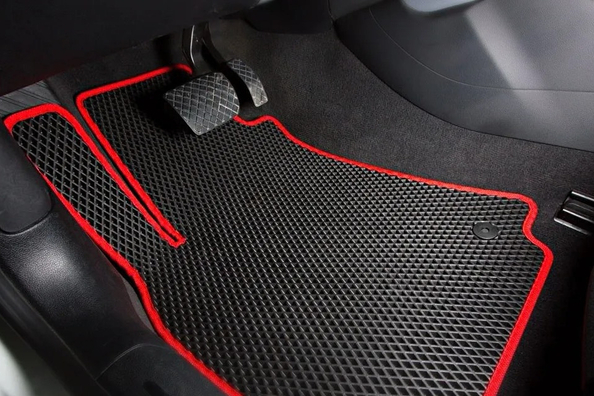

Making car floor mats with your own hands is a popular project aimed at saving money or creating a unique accessory for your vehicle. At first glance, the process seems simple, but in reality, it requires precision, the right materials, and an understanding of the specifics. Is it possible to achieve factory-level quality in a garage, and is it really worth the effort? Let's find out. You can also enhance and refresh your car’s interior by using tuning accessories, a wide range of which is available in our online store.
The answer is yes — you can make the mats yourself, but there are a few nuances to consider.
The process, regardless of material, includes three stages:
The main advantage is obvious — cost savings. But the disadvantages are also significant. It’s difficult to achieve a perfect fit like mats that are laser-cut for a specific model.
Shipping to EU
Wholesale and retail
Own warehouse
Опис продукту
Подарунки не надаються при оформленні покупки у кредит під 0,01% або при покупці частинами.