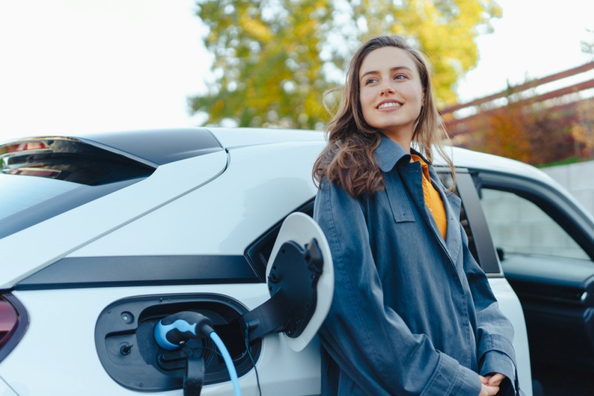
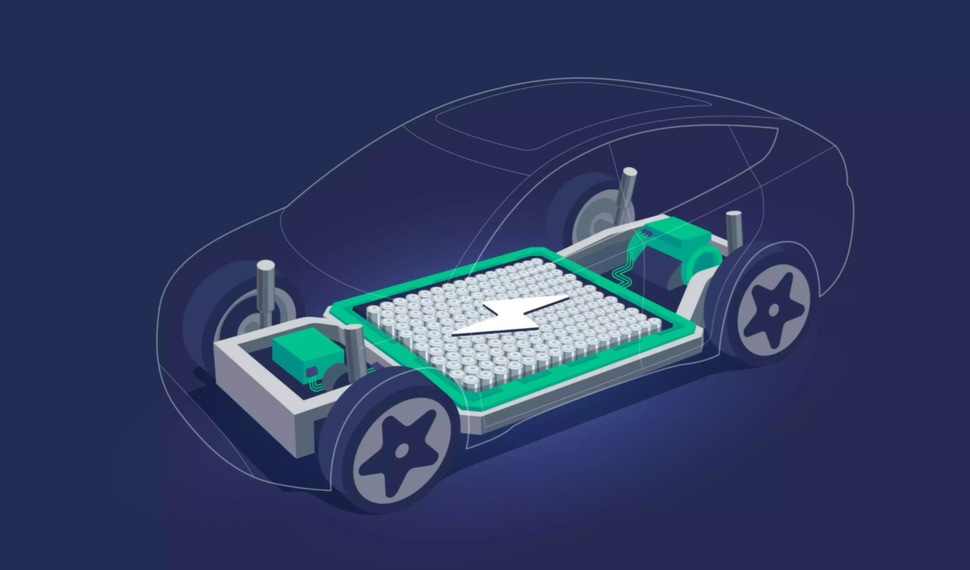
Electric cars are considered an eco-friendly alternative to petrol and diesel vehicles, but some people worry about their impact on health. Electromagnetic radiation, batteries, and other factors raise questions. This article explores how safe electric cars are for humans. To make your vehicle more advanced and visually appealing, you can use tuning accessories available in our wide product catalog.
Potential Health Risks
There are concerns related to the operation of electric cars:
- Electromagnetic Fields (EMF): Generated by the electric motor and battery, but their levels are usually below permissible limits.
- Chemical Substances: Leakage from batteries (lithium, nickel) is possible in accidents but rare.
- Noise: Electric cars are quieter, reducing stress but making them harder for pedestrians to detect.
Scientific Data on Safety
- EMF: Studies show that electromagnetic radiation in electric cars does not exceed household appliance levels and is considered safe.
- Batteries: Modern batteries are sealed, and cooling systems minimize leakage risks.
- Eco-friendliness: The absence of exhaust gases reduces harmful effects on the lungs.
Health Benefits
- Clean Air: Electric cars emit no CO₂ or other toxins, improving air quality.
- Less Noise: Reduced noise pollution lowers the risk of stress and hearing problems.
- Comfort: Smooth acceleration and quiet operation create comfortable driving conditions.
Tips for Safe Use
- Regularly check the battery and electrical systems at certified service centers.
- Avoid prolonged exposure near high-voltage charging stations.
- Follow manufacturer safety updates.
Electric cars pose no health risk when used properly and are considered a safe alternative to traditional vehicles.