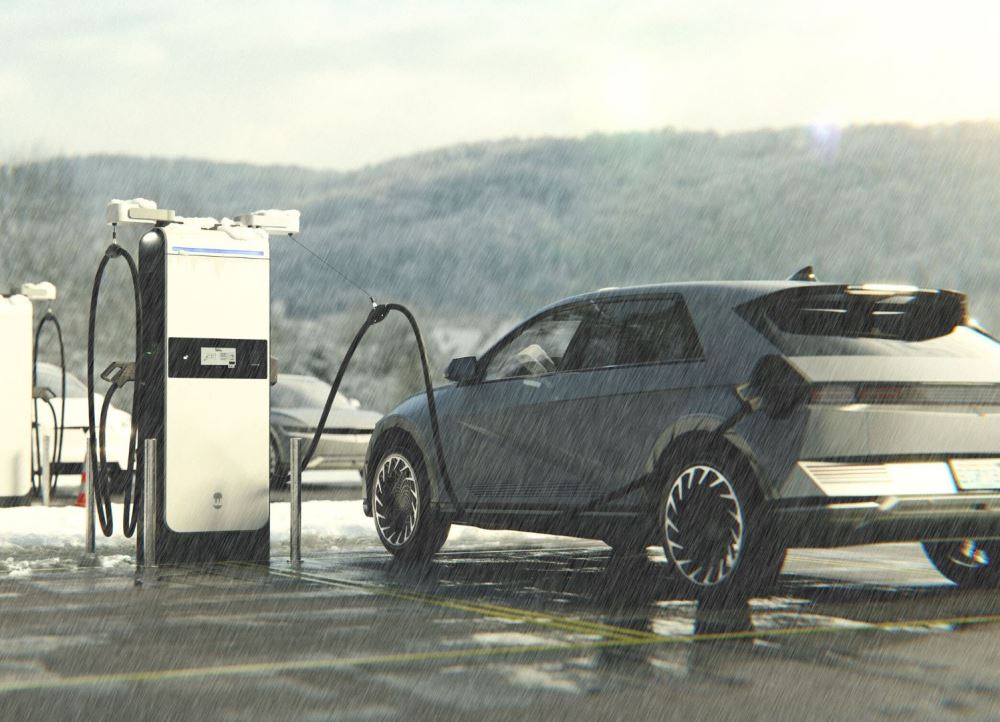
Rainy weather affects car handling and technical performance, including fuel consumption. Many drivers notice that their vehicle uses more petrol or diesel in wet conditions, but why does this happen? This article explains whether fuel consumption increases in the rain and how to minimize it. You can also significantly improve cabin comfort and add individuality to your car’s exterior by using tuning accessories available in our online store.
Why can fuel consumption increase?
Rain creates conditions that raise fuel usage:
- Reduced traction: Wet asphalt forces the engine to work harder to maintain control.
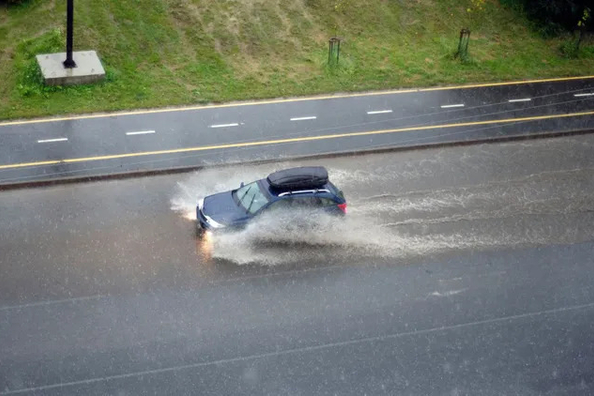
- Increased resistance: Water on the road and tires adds extra friction.
- Frequent braking: Slippery roads require caution, increasing engine load.
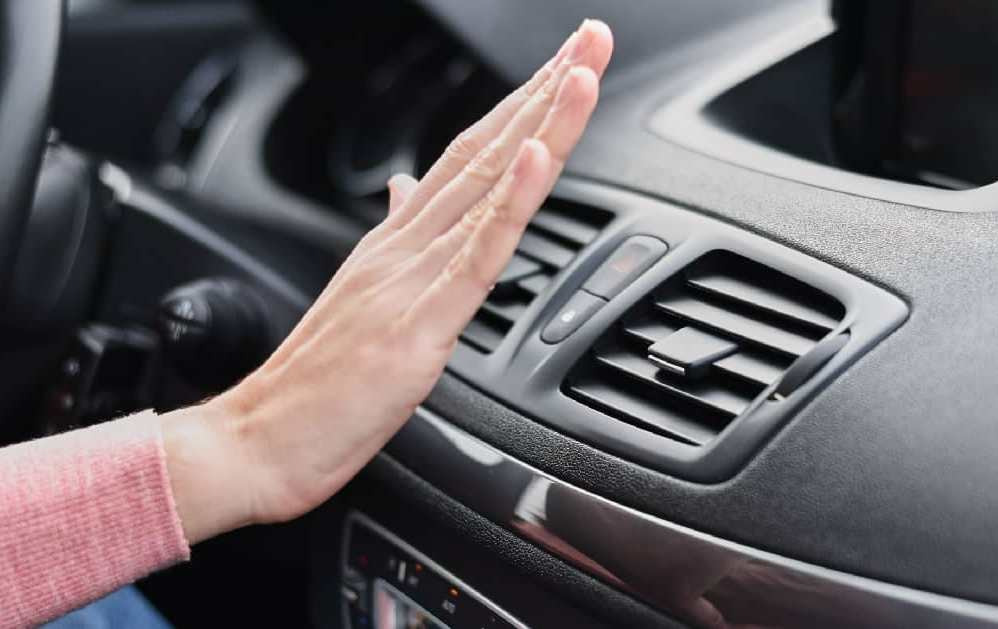
- Use of air conditioning or other equipment: Heating, dehumidifying the cabin, and wipers add extra demand.
How noticeable is the increase?
- In moderate rain: 5–10% increase due to wet surfaces.
- In heavy rain: May rise to 15–20%, especially on highways.
- Depends on driving style: Active maneuvering increases consumption.
How to reduce fuel use in the rain?
- Reduce speed: Driving 10–20 km/h slower reduces strain.
- Check tire pressure: Maintain recommended levels for better grip.
- Avoid sudden movements: Smooth acceleration and braking save fuel.
- Limit air conditioner use: Use it only when necessary.
Safety tips
- Ensure wipers and headlights work properly.
- Increase distance from other vehicles.
- Avoid puddles and slippery areas when possible.
Rain can indeed increase fuel consumption, but proper driving helps minimize losses.