07.10.2025
694
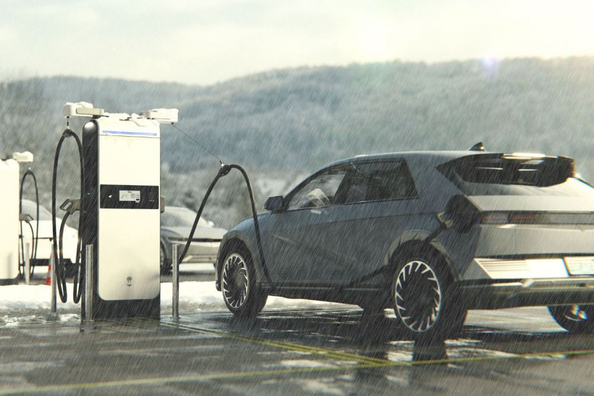
Electric cars are steadily conquering the market, but many drivers wonder: how does rain affect their operation? In this article, we’ll look at the key aspects so you can confidently drive your EV even in bad weather. Rain is not a problem for electric cars — modern models are designed with moisture protection in mind, but there are some nuances that help avoid issues and extend the vehicle’s lifespan. You can also enhance your car’s appearance and upgrade it with tuning accessories available in our online store.
Keep in mind the following points:
In rainy weather, range may decrease by 5–10% due to increased air and water resistance. Factors affecting this include:
The high-voltage system of an electric car, including the traction battery, is completely sealed.
Thus, from an electrical safety perspective, an electric car is completely resistant to water. It can be charged and operated safely even during heavy rain.
Shipping to EU
Wholesale and retail
Own warehouse
Опис продукту
Подарунки не надаються при оформленні покупки у кредит під 0,01% або при покупці частинами.