Frost turns an electric car from ideal to very temperamental transport. Range drops by 20–40%, charging becomes slower, and some functions stop working altogether. Let’s find out why this happens and how to deal with it. To make your car look truly unique, we recommend using tuning accessories, a wide selection of which can be found in our product catalog.
Main winter problems of electric cars
- Reduced range. At −15 °C, real mileage can drop by 30–45% due to lower battery capacity and heating use.
- Slow charging. Lithium batteries dislike cold: in frost, charging power is automatically limited by 2–3 times.
- Increased energy consumption for heating. Cabin and battery heaters “consume” up to 5–7 kWh per hour.
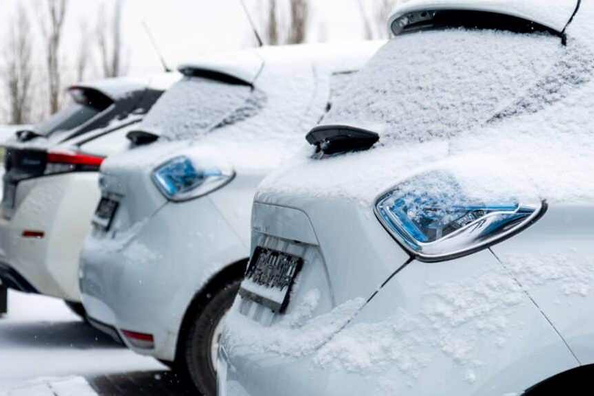
- Freezing of doors, charging port, and handles. Water gets into seals and blocks access.
- Reduced regeneration efficiency. A cold battery absorbs less energy during braking.
- Worsened suspension and tire performance. Suspension lubricants thicken in frost, tire pressure drops.
How to minimize losses
- Park in a warm garage or use preheating with a timer 30–40 minutes before departure.
- Charge at warm or covered stations — charging speed increases 2–3 times.
- Turn on cabin and seat heating only after starting to drive.
- Keep charge between 30–80% — in this range, the battery warms up faster.
- Use winter tires and check pressure weekly.
- Treat seals with silicone lubricant before winter.
Knowing these details, you’ll lose not 40% of range but only 10–15%, and you won’t be left without charge at the most critical moment.