27.10.2025
218
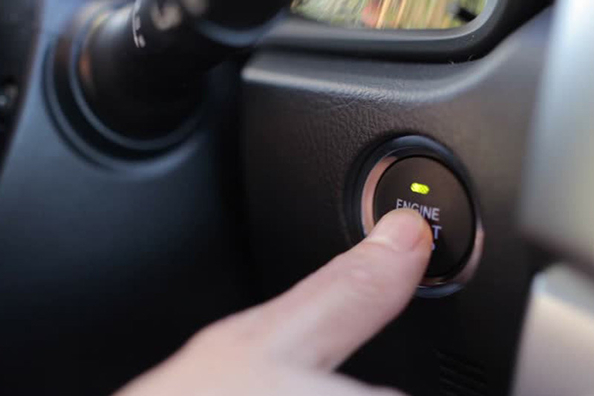

Just 20 years ago, idling to warm up was a mandatory ritual. Today, carmakers like Mercedes, BMW and Toyota clearly state in their manuals: «No warm-up needed — start driving right away». Myth or reality? Let’s find out based on data from 2024–2025. You can also upgrade your car and improve its functionality by using tuning accessories, available in a wide selection in our online store.
In carbureted and early fuel-injected engines:
The result — increased wear under load «when cold».
Engines produced after 2015–2020 are fundamentally different:
A 2023 SAE study showed: ring and bearing wear when driving at 20 °C differs from idling warm-up by less than 3%.
A modern engine warms up 2–3 times faster while driving than when idling and consumes less fuel. Long idling warm-ups — that’s yesterday’s practice.
Shipping to EU
Wholesale and retail
Own warehouse
Опис продукту
Подарунки не надаються при оформленні покупки у кредит під 0,01% або при покупці частинами.