16.04.2025
3826
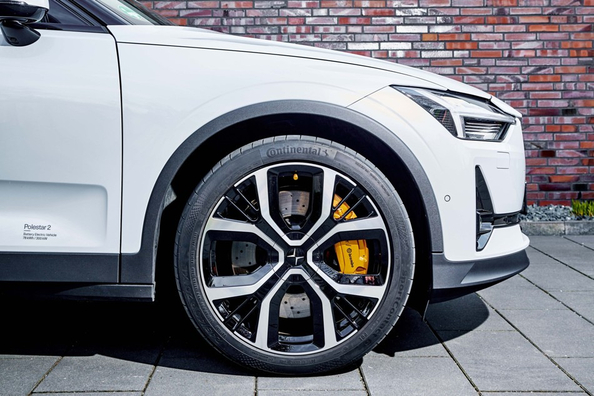

Electric cars are becoming increasingly popular, and their tires have unique features that differ from tires for cars with internal combustion engines. These differences are due to the specifics of the design and operation of electric cars. Let's consider the key aspects. You can also improve your car and improve its attractiveness by using tuning accessories, a huge selection of which is available in our product catalog.
Electric vehicles have their own requirements for tires due to their design features:
Efficiency is a priority for electric vehicles. Tires are designed with:
Electric vehicles operate more quietly, so tire noise becomes more noticeable:
Electric vehicle tires are a balance between durability, efficiency, and comfort. The right choice will improve the performance and mileage of your electric vehicle.
Shipping to EU
Wholesale and retail
Own warehouse
Опис продукту
Подарунки не надаються при оформленні покупки у кредит під 0,01% або при покупці частинами.