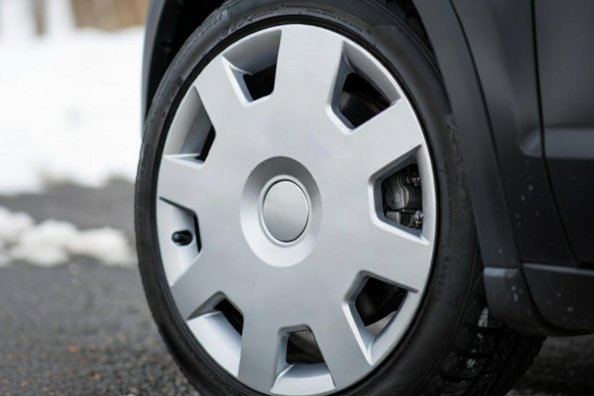
Wheel covers — are not just a decorative element of tuning. For many vehicles, especially those equipped with steel rims, they serve important practical functions. Properly selected and installed wheel covers protect the rims, improve appearance, and even affect the safety and durability of the car. Let’s look at why they deserve attention.
Main functions of wheel covers
Wheel covers perform several tasks at once:
- Protection of steel rims from salt, chemicals, and small stones.
- Prevention of corrosion and dirt accumulation in hard-to-reach areas.
- Improved aerodynamics and reduced air resistance (on some models).
- Aesthetic role: give the car a neat, finished look.
- Noise reduction from the wheels while driving.
Advantages of using wheel covers
Installing wheel covers provides noticeable benefits:
- Rim durability — rust protection extends the service life of steel rims by 3–5 years.
- Easy maintenance — dirt and chemicals stay on the cover, not on the rim; just wash the covers.
- Cost savings — it’s cheaper to replace a cover than to repair a rusty rim.
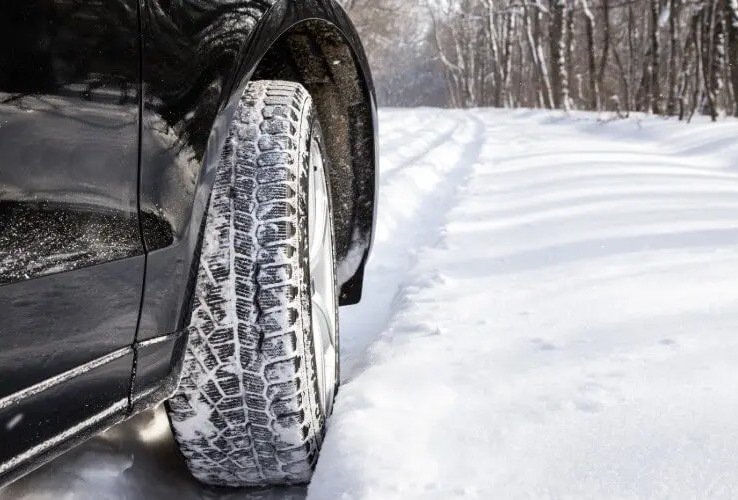
- Safety — closed rims are less prone to snow and ice buildup, improving balance.
- Style — modern wheel covers imitate alloy rims, making the car look more premium.
How to choose and use wheel covers correctly
To ensure wheel covers last long and cause no issues:
- Choose original or high-quality replicas matching the rim size (13", 14", 15", etc.).
- Check the fastening reliability — good covers are secured with clips or bolts.
- Install on clean rims and periodically check that they are not loose.
- Remove them in winter during severe frost (below -20 °C) to avoid plastic cracking.
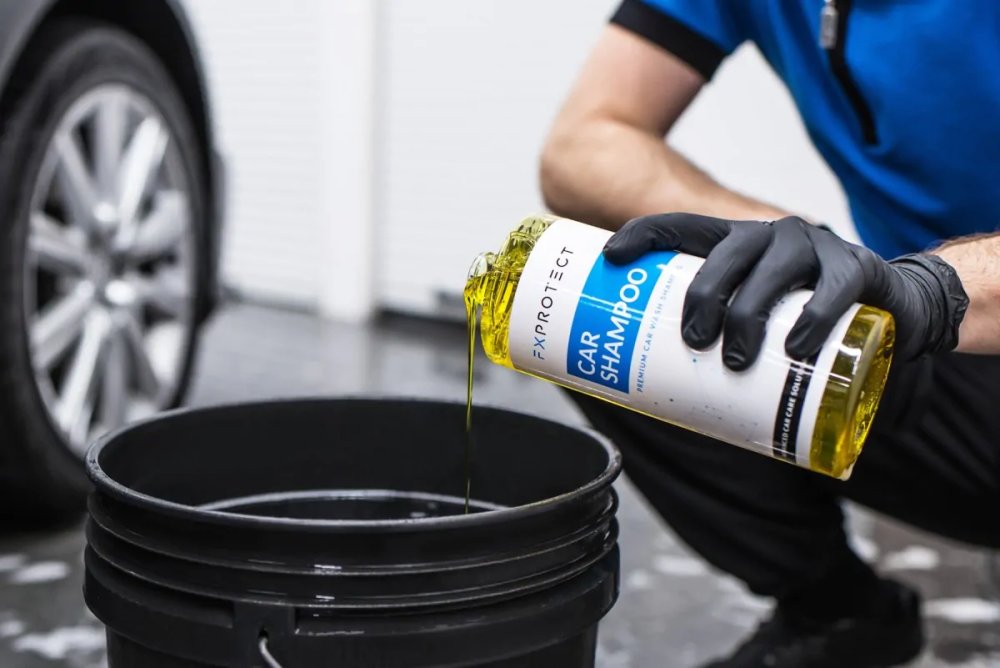
- Wash them together with the car, avoiding aggressive alkaline cleaners.
Wheel covers — are an inexpensive and effective way to protect your wheels and maintain a well-kept appearance of your car. They are especially useful for winter driving and on roads treated with chemicals.