27.01.2026
4683
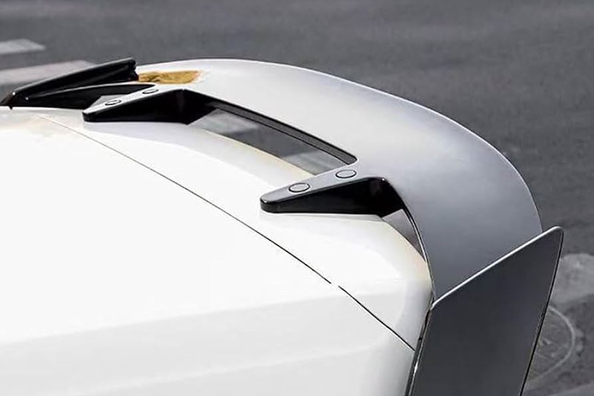

A spoiler — one of the most noticeable elements of tuning, often associated with «coolness» and speed. But does the average driver really need it, or is it just decoration? Today, aerodynamics have become even more important due to EVs and strict fuel-economy standards, so spoilers have returned to the production line on many models. Let’s break down what they’re actually for.
A spoiler — not just a whim for young drivers. On sporty, powerful cars it genuinely improves safety and efficiency. On city hatchbacks or sedans, it more often serves an aesthetic purpose. If you don’t drive on track and don’t accelerate to 200+ km/h — a spoiler may simply be a stylish accent. But for a real improvement in dynamics, you need a complete aero kit.
Shipping to EU
Wholesale and retail
Own warehouse
Опис продукту
Подарунки не надаються при оформленні покупки у кредит під 0,01% або при покупці частинами.