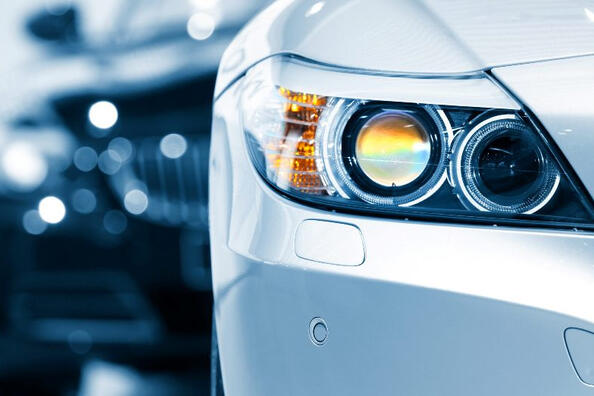
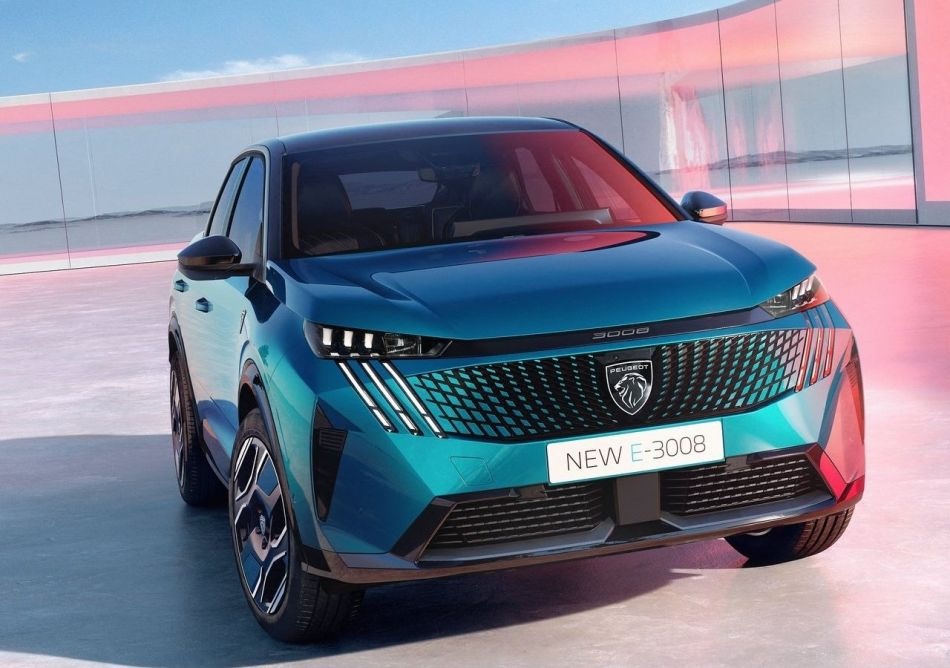
Xenon headlights have become an integral part of modern cars, providing much better visibility on the road compared to halogen ones. However, many motorists confuse the concepts of xenon and bi-xenon. Let's look at the differences. You can also improve the exterior of your car and make it more noticeable if you use tuning accessories, a wide range of which is available in our product catalog.
Xenon headlights
- The principle of operation: the use of gas-discharge lamps, which, when lit, create a bright white light.
- Design: usually consists of two separate lamps: one for low beam, the other for high beam.
- Advantages: high brightness, economy, durability.
Bi-xenon headlights
- Principle of operation: gas discharge lamps are also used, but with one lamp for both light modes.
- Design: equipped with a special mechanism that switches the lamp operation mode from near to far and back.
- Advantages: combines all the advantages of xenon headlights, plus saving space and reducing costs.
What is the key difference?
- Number of lamps: xenon uses two separate lamps, bi-xenon - one.
- Functionality: xenon has two independent lamps for low and high beam, bi-xenon uses one lamp with a switching mechanism.
Which option to choose?
- Bi-xenon: usually more expensive to install, but saves space and lowers maintenance costs.
- Xenon: Can be cheaper but requires two bulbs to be installed.
Both options provide excellent visibility on the road and increase driving safety. The choice depends on personal preferences and budget.