
































































 Author: Radomskyi Maksym Vasyliovych
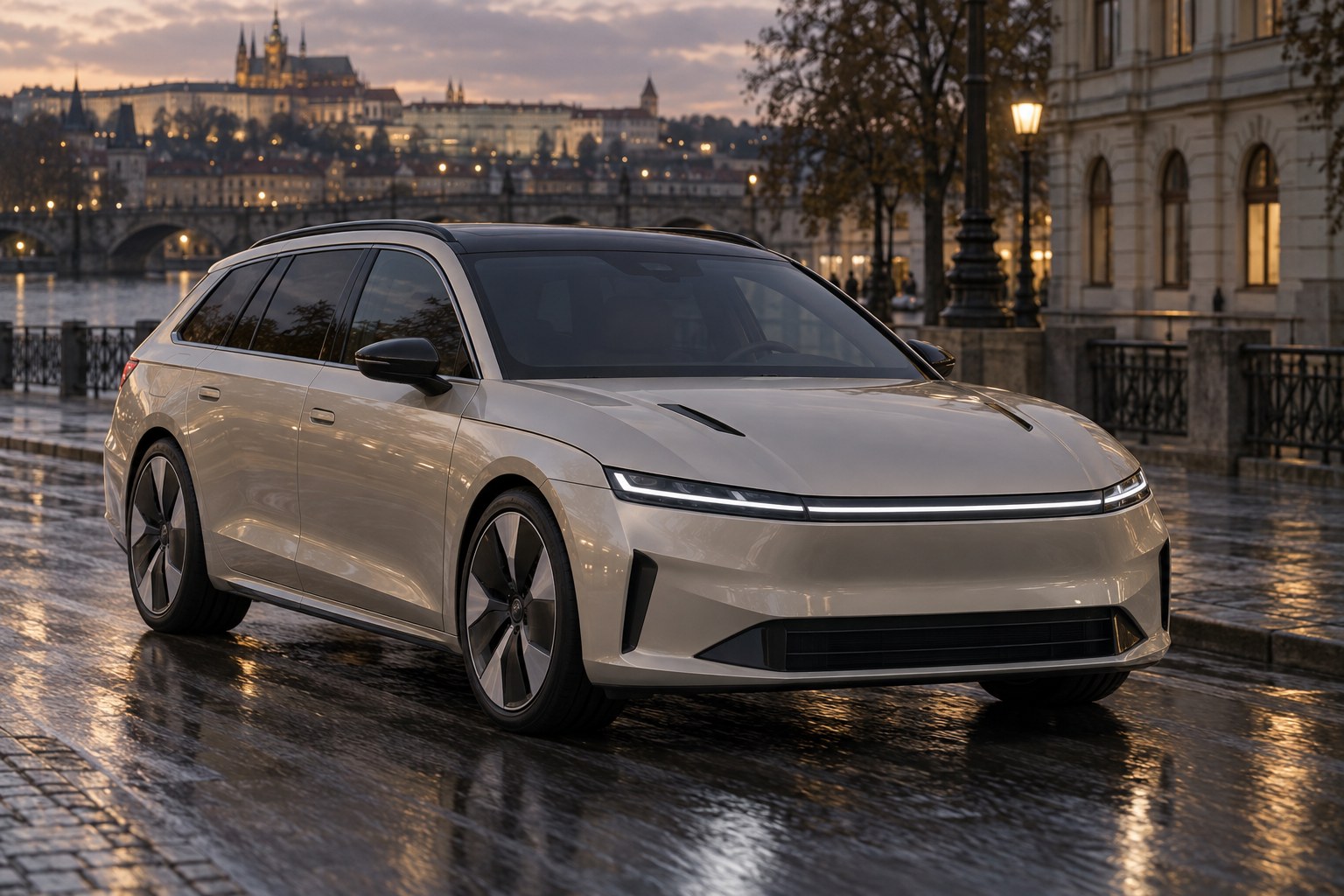
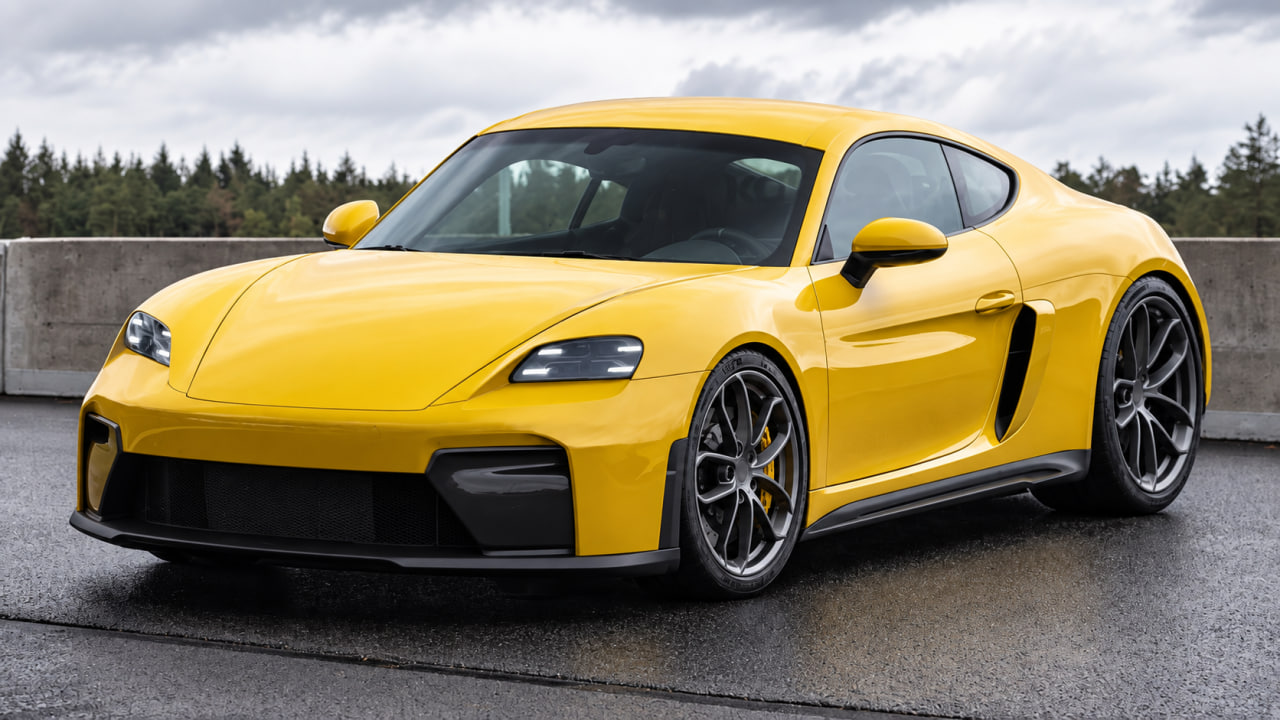
Porsche 718 EV already looks like a real production project rather than a distant concept: a prototype with almost no camouflage was spotted at the Nürburgring. But for now the main limitation is simple — there are still no official production figures for the battery, power, weight, range, or charging speed of the electric 718.
So the model needs to be assessed realistically right now. There is a confirmed fact about the end of the current ICE 718 in Q4 2025, there is a solid real-world baseline in the form of the 718 Boxster/Cayman 982 generation, and there is a future electric successor whose launch has been pushed back. That’s why it’s important below to separate the known production data of the current 718 from what can only be inferred about the electric version from prototypes so far.
The model and its place in the market
The upcoming 718 EV occupies a rare niche: a compact two-seat electric sports car. It’s not a family coupe and not a four-seat grand tourer, but a driver-focused machine for someone who values seating position, handling, and the feel of a low sports car even in daily use.
In the market, such a model will appeal to buyers who want an EV that’s smaller and sharper in character than large premium liftbacks or crossovers. The closest current production reference in terms of format is the MG Cyberster, but it’s larger overall. If Porsche keeps the 718 compact, that will be a strong argument for those who need not just speed, but a tightly packaged sports format. It won’t suit those who need rear seats, higher ground clearance, or an easygoing attitude toward parking ramps.
Generation and model history
The current 718 story for a practical buyer splits into two phases: the gasoline 982 generation and the future electric successor. The 982 generation is known as the Porsche 718 Boxster/Cayman and has been produced since 2016. Production of ICE versions ended in Q4 2025, while a fully electric sports car in the 718 segment remains in the product plan, but will arrive later than originally expected.
| Stage | Period | What matters |
|---|---|---|
| 718 Boxster/Cayman 982 | from 2016 to the end of 2025 | A production two-seat ICE lineup that defines expectations for the 718’s seating position, dimensions, and character. |
| Transition to the electric model | 2025–2027 | Prototypes are already running, the design reads with minimal masking, but the exact debut date hasn’t been announced. |
| 718 EV | expected later | An officially confirmed future electric sports car in the 718 segment, with no published production specs. |
Powertrains and transmissions
For the production 718 EV, Porsche has not released the key numbers. The most common talk so far is about an 800-volt architecture and possible single- or dual-motor versions, but that is not yet production confirmation. Likewise, neither the base drivetrain layout, nor the battery, nor charging power has been finalized publicly.
From real production data for today’s 718, the most telling reference point remains the 718 GTS 4.0: a 4,395 cm³ flat-six, 400 hp and 420 N·m. It was offered with a 6-speed manual or 7-speed PDK, with rear-wheel drive. This matters not because the electric 718 will match those figures, but because that level of character and response is exactly what brand fans will expect from the successor.
| Parameter | 718 GTS 4.0 | 718 EV |
|---|---|---|
| Power unit | 4,395 cm³, 6-cylinder flat engine | Not published |
| Power | 400 hp | Not published |
| Torque | 420 N·m | Not published |
| Transmission | 6-speed manual or 7-speed PDK | Not confirmed |
| Drive | Rear | Not confirmed; rear or all-wheel is only assumed |
Separately, it’s worth remembering the GT4 ePerformance: it’s a technical benchmark that shows the electrification potential of the 718 format, but it is not a production spec for the upcoming road car. Its figures cannot be directly applied to the 718 EV.
Body, dimensions, and chassis
People value the current 718 for its compact proportions and low seating position, and the electric prototype doesn’t look like a car reworked for a softer or crossover-like brief. Test photos show Porsche trying to keep a very low silhouette, short overhangs, and a tight, sporty geometry.
| Parameter | 718 Boxster GTS 4.0 | 718 Cayman GTS 4.0 |
|---|---|---|
| Length | 4,391 mm | 4,405 mm |
| Width | 1,801 mm | 1,801 mm |
| Width with mirrors | 1,994 mm | 1,994 mm |
| Height | 1,262 mm | 1,276 mm |
| Wheelbase | 2,475 mm | 2,475 mm |
| Ground clearance | 112 mm | Depends on version; not announced for the electric successor |
| Luggage compartment | 150 L front + 125 L rear | 150 L front + 270 L rear |
The practical takeaway is simple: even if the electric 718 gains some weight due to the battery, the whole point of the model is to remain low, short, and precise in its responses. But this layout will almost certainly keep the old 718 problem as well — needing to be very careful around curbs, speed bumps, and steep driveways.
Interior, comfort, and safety
The production 718 EV interior hasn’t been revealed yet, so here we have to lean on experience with the current 718. Its strengths are the driving position, good seats, and a focused, composed feel behind the wheel. In the Cayman, you also get real everyday practicality thanks to two luggage areas.
The weak points are typical too: only two seats, limited small-item storage, and noise plus suspension firmness that, for some, feel higher than expected from an expensive sports car. In terms of safety, the future electric 718 will almost certainly get a modern set of electronic driver aids, but the final equipment list has not been published yet.
Everyday use
In day-to-day life, the 718 format works better than it may look from the outside—if the owner understands its limits. It’s a car for the city, the highway, short trips for two, and weekends, but not for being the only car in a family. The current Boxster has low ground clearance and an extremely low seating position, so any careless parking maneuver or ramp quickly reminds you this isn’t a wagon.
The electric version could make daily use easier in terms of energy costs and the logic of short trips, especially if an 800-volt system with fast DC charging is confirmed. But it won’t отмен the base limitations of the format: a two-seat cabin, modest ground clearance, and sensitivity to road quality.
Strengths and weaknesses
The strengths of the future 718 EV can be read through the philosophy of the current 718, while the weaknesses come from the format itself and the lack of confirmed production data.
| Pros | Cons |
|---|---|
| A compact two-seat sports format that has nearly disappeared from the mass segment | No official production figures for the battery, power, and range yet |
| A chance to keep the low center of gravity and precise steering the 718 is valued for | Two seats — not suitable for family use |
| If the 800-volt architecture is confirmed, short charging stops will be a big plus | Low ground clearance and seating position remain a city problem |
| In Cayman form, the 718 is more practical than it looks thanks to two trunks | Not suitable for poor roads, and certainly not for off-road use |
| The current 718 has a very strong reputation for emotion and build quality | Typical criticisms of today’s 718 remain: noise, stiffness, and high service costs |
Tuning and accessories
With the 718 EV, tuning will likely shift from power to practicality and aerodynamics. Until production specs are available, it makes more sense to focus not on fantasies about power gains, but on things that genuinely work on a low sports body: protecting and finishing the lower edge, аккурат work at the rear, driver-seat comfort, and smart wheel selection.
For the current 718, the main mistake owners make is simple: choosing overly aggressive styling that looks great in photos but complicates daily driving. For this model, restrained parts work better—details that don’t spoil body geometry and don’t eat up the remaining ground clearance.
What to look at for this model
- front bumper lip spoilers — a good fit for a very low nose when you want to neatly finish the lower edge without груб intervention in the car’s style.
- rear diffusers — help tidy up the rear end and usually suit the 718 better than overly bulky body kits.
- interior accessories — more useful than showy décor if the car is used daily and you want to make the driver’s area more comfortable.
Conclusion
Porsche 718 EV looks like one of the most interesting upcoming electric sports cars precisely because it has a chance to remain small, two-seat, and driver-focused. But it’s not worth buying into the mere fact that a prototype exists: the key numbers of the production car haven’t been revealed yet, which means it’s too early to draw final conclusions about performance, range, and practicality.
If you want a compact electric sports car for yourself, not a universal vehicle for every role, the 718 EV is definitely worth watching. If you need ground clearance, rear seats, and a stress-free life in any parking situation, this isn’t your format. This material is based on real selection experience, practical know-how, and real use cases of the current 718, which already show where the future electric successor will be strong—and where it will be demanding of its owner.