10.08.2026
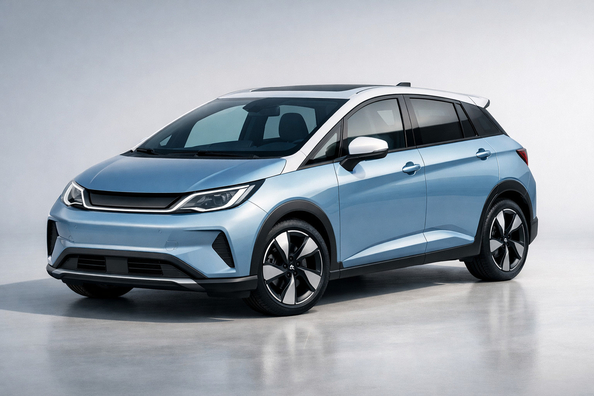
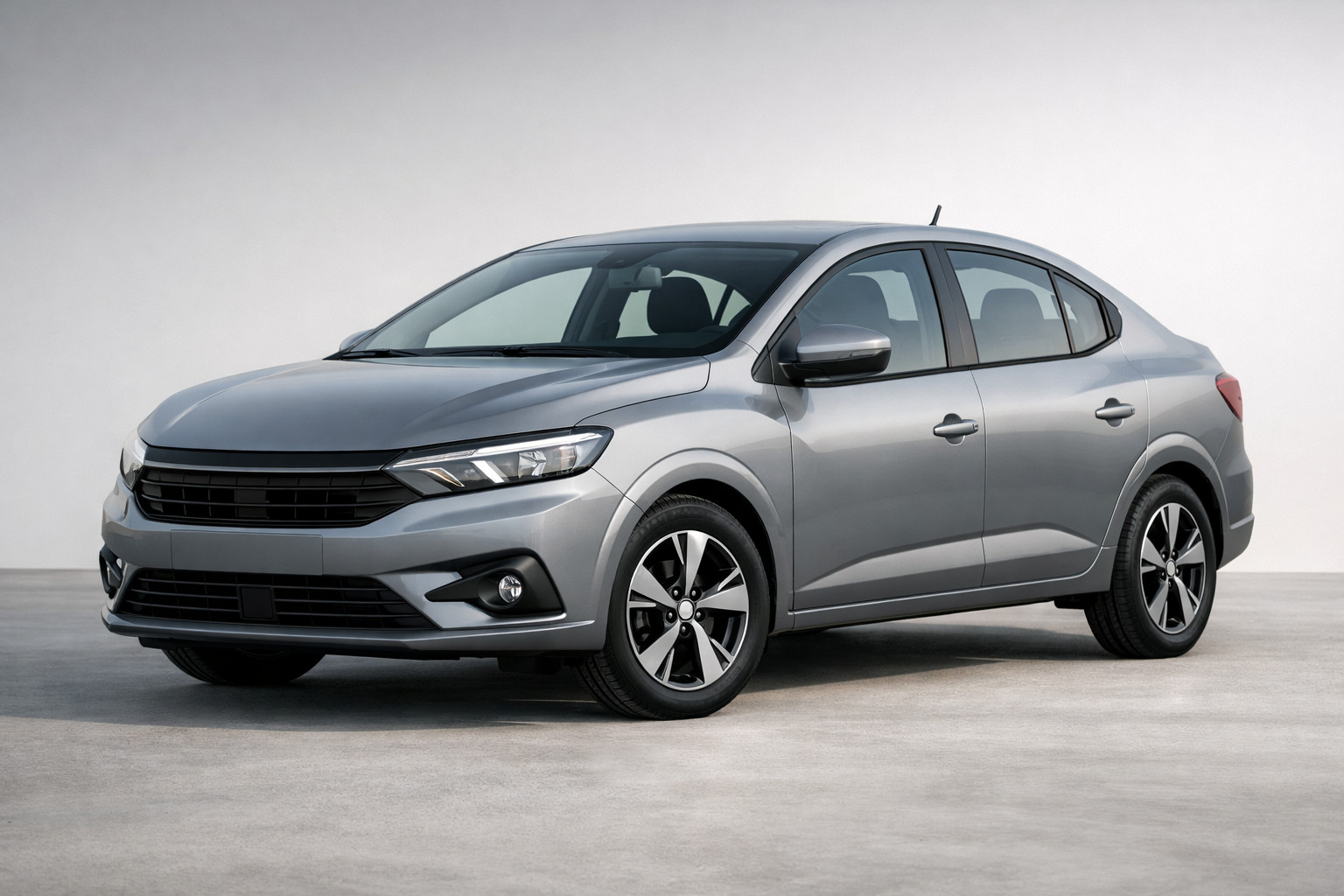
BYD Dolphin Surf is a small front-wheel-drive electric hatchback that wins not with headline numbers, but with the right city formula: a compact body, an LFP battery, a decent trunk, class-quick charging, and a 5-star safety rating. In 2026, it’s one of the most interesting ways to step into the EV world without moving up into a higher price bracket.
Its strong suit is the daily urban rhythm: courtyards, parking, short routes, child seats, shopping, charging at home or near work. Its weakness is the highway at higher speeds, where chassis, sound insulation, and driver-assistance tuning compromises become noticeable. In other words, it’s a car primarily for a practical user, not for someone chasing the best driving feel in the class.
Dolphin Surf sits at the lower end of BYD’s European lineup and plays in the affordable compact EV segment. By size and format, it competes with city hatchbacks where the key isn’t status or outright power, but ease of ownership, savings on daily driving, and solid practicality within a small footprint.
The model’s point is simple: it looks better in the city than on a fast motorway. If you need an EV for daily routine, tight-yard parking, and 20–80 km per day, it’s a spot-on format. If you need five seats, more comfort reserve on the highway, or tighter handling, it makes sense to look at pricier alternatives.
In the European market, the BYD Dolphin Surf launched in 2025. Essentially, it’s a European adaptation of a model known under different names in other markets, but for Europe it comes with its own positioning, Active, Boost, and Comfort trims, and a dedicated specification.
As of 2026, we’re talking about the first European iteration of the model with no generational change. This matters because some figures can differ by country—especially curb weight, ground clearance, equipment, and even how the range is stated. So it’s always worth checking the exact local specification rather than relying on data from another market.
There are no petrol or diesel versions here, so engine displacement doesn’t apply. The European Dolphin Surf offers two traction e-motors: a 65 kW base unit and a 115 kW higher-output unit. In both cases, it’s front-wheel drive with a single-speed transmission—so no conventional gearbox in the usual sense.
Base Active and Boost share the same 65 kW output but use different batteries: 30 and 43.2 kWh respectively. Comfort pairs the 43.2 kWh battery with the 115 kW motor. For city use that’s more than enough, while on the highway the difference between versions is felt not only in acceleration, but also in how confidently the car holds pace.
| Parameter | Data |
|---|---|
| Drivetrain layout | Front-wheel drive, single-speed transmission |
| Active/Boost motor | Electric motor, displacement not applicable, 65 kW, 175 N·m |
| Comfort motor | Electric motor, displacement not applicable, 115 kW, 220 N·m |
| Battery | LFP Blade Battery: 30 or 43.2 kWh |
| 0–100 km/h | 11.1 s Active, 12.1 s Boost, 9.1 s Comfort |
| Top speed | 150 km/h |
| WLTP range | 220, 322, or 310 km depending on version |
| Charging | AC 11 kW; DC 65 kW in Active, 85 kW in Boost and Comfort; 10–80% in 30 min |
| Dimensions | 3 990 × 1 720 × 1 590 mm, wheelbase 2 500 mm |
| Ground clearance | 154 mm unladen, 131 mm in running order |
| Trunk | 308 L, with the second row folded 1 037 L |
| Seating | 4 in European specification |
In size, it’s a very urban car: 3 990 mm long, 2 500 mm wheelbase, 1 720 mm body width, and a 4.95 m turning radius. That’s why the Dolphin Surf is convenient in dense traffic and when parking, where every real 20–30 cm of length is felt every day. At the same time, the tall roof helps keep the cabin from turning into a tight capsule.
On paper, ground clearance is decent for the class, but you need to read the figure correctly: it’s one number unladen and lower in running order. For city curbs and typical battered courtyards it’s enough, but it’s not a car for rough dirt roads when fully loaded. Chassis impressions are typical for a budget city EV: in town everything feels logical, while on wavy surfaces at speed composure is only average.
The key point about the interior is that the European version is a four-seater. For some it’s a minor detail; for others it instantly ends the buying discussion. If the family is small, the layout works well: there are three ISOFIX points, a 308 L trunk, and good second-row geometry for two passengers. So the car is compact outside, but not empty inside.
Comfort is less clear-cut. Equipment is generous for the class, but it doesn’t feel like a more expensive car: on the highway, wind and road noise can annoy, and the driver-assistance suite may feel too intrusive for some drivers. On the plus side, the safety picture is strong: five Euro NCAP stars, high scores for adult and child protection, and a solid set of assistants already from the factory.
In day-to-day driving, the Dolphin Surf looks convincing. The Active version makes sense as a short-range city EV, Boost is the most rational choice for those who want better range without paying extra for the most powerful variant, and Comfort is better suited to those who value a livelier response for overtakes and merging onto faster roads.
11 kW AC charging is convenient for overnight top-ups, and DC up to 85 kW makes real intercity trips possible, though it doesn’t turn the car into a motorway runner. A useful bonus is the function to power external devices from the battery. Practical caveats: occasional complaints about window fogging or DC-charging quirks do exist, but so far these seem more like isolated cases than a systemic issue for the model.
The main advantage of this model is that it honestly fits its purpose. But if you use it outside that scenario, the compromises become very noticeable.
| From an owner’s perspective | Pros | Cons |
|---|---|---|
| City | Compact body, small turning radius, easy to park | On a fast motorway it feels less composed than some competitors |
| Interior and practicality | 308 L trunk and decent space for two in the rear | Only 4 seats in the European version |
| Running costs | LFP battery, good urban efficiency, solid AC charging | With frequent long trips you’ll have to live with charging stops |
| Equipment and safety | Strong base package and 5-star safety | Some assistants may annoy with excessive warnings |
| Driving feel | For the city, responses are sufficient even in the base versions | Brakes, ride smoothness, and sound insulation don’t feel premium |
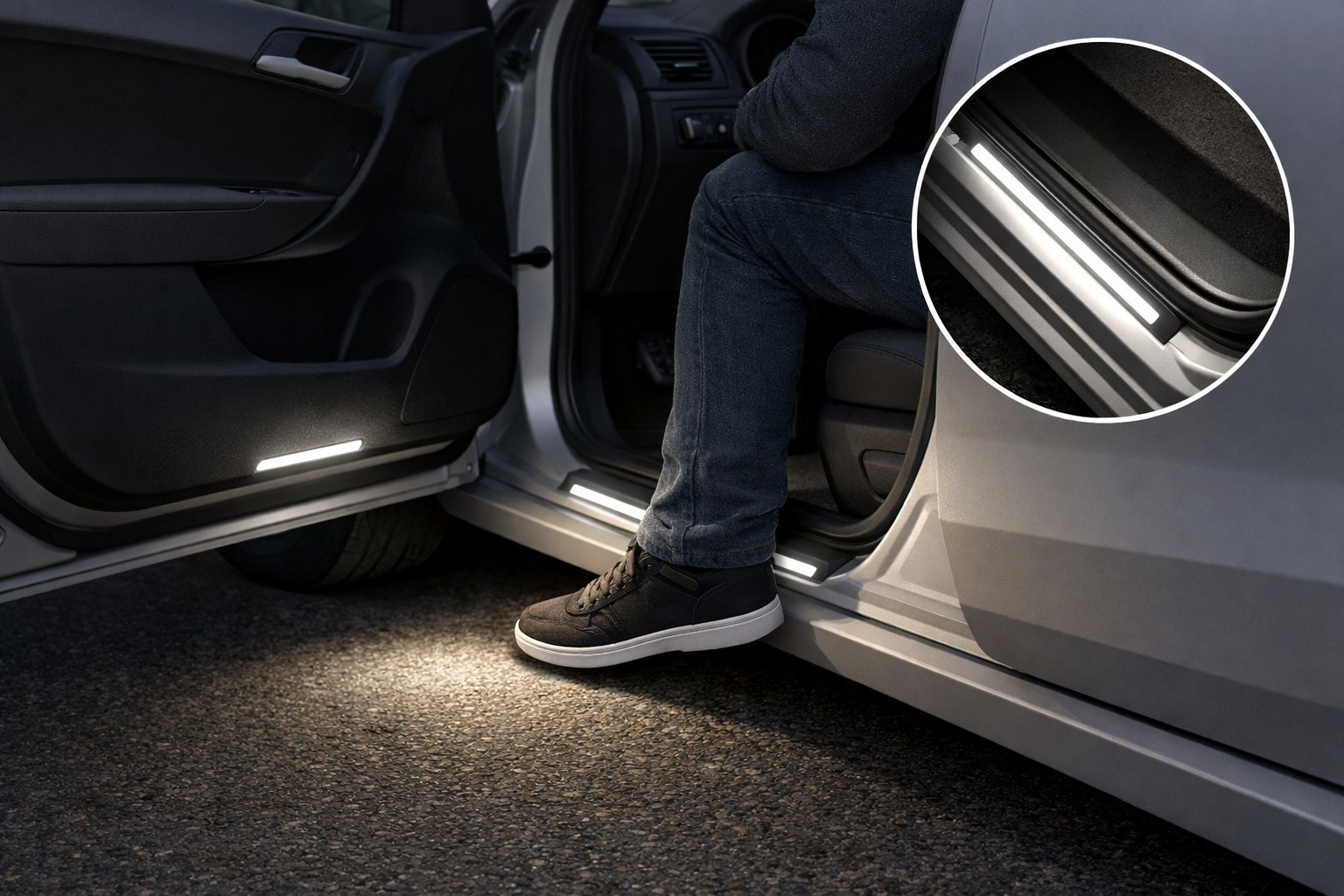
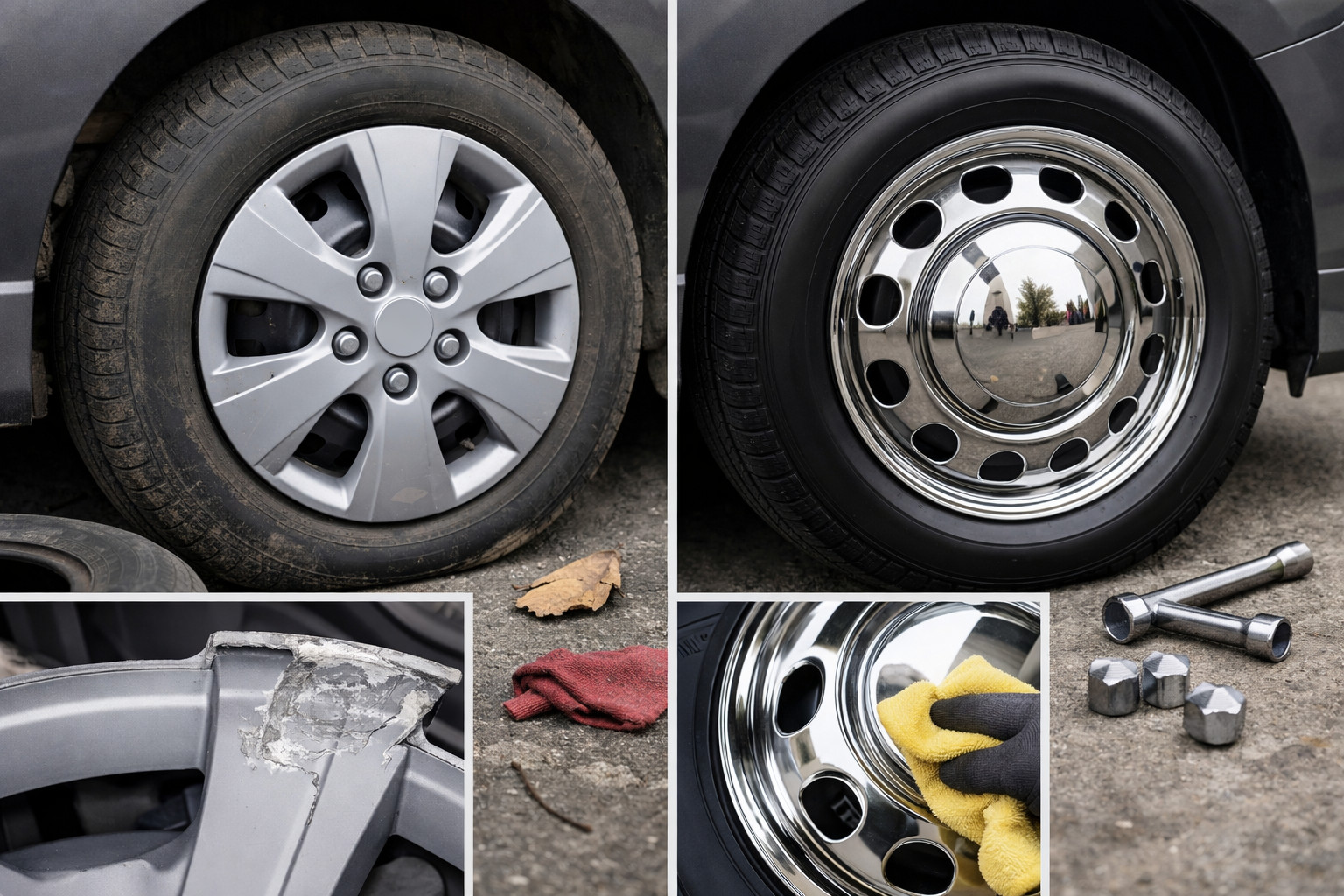
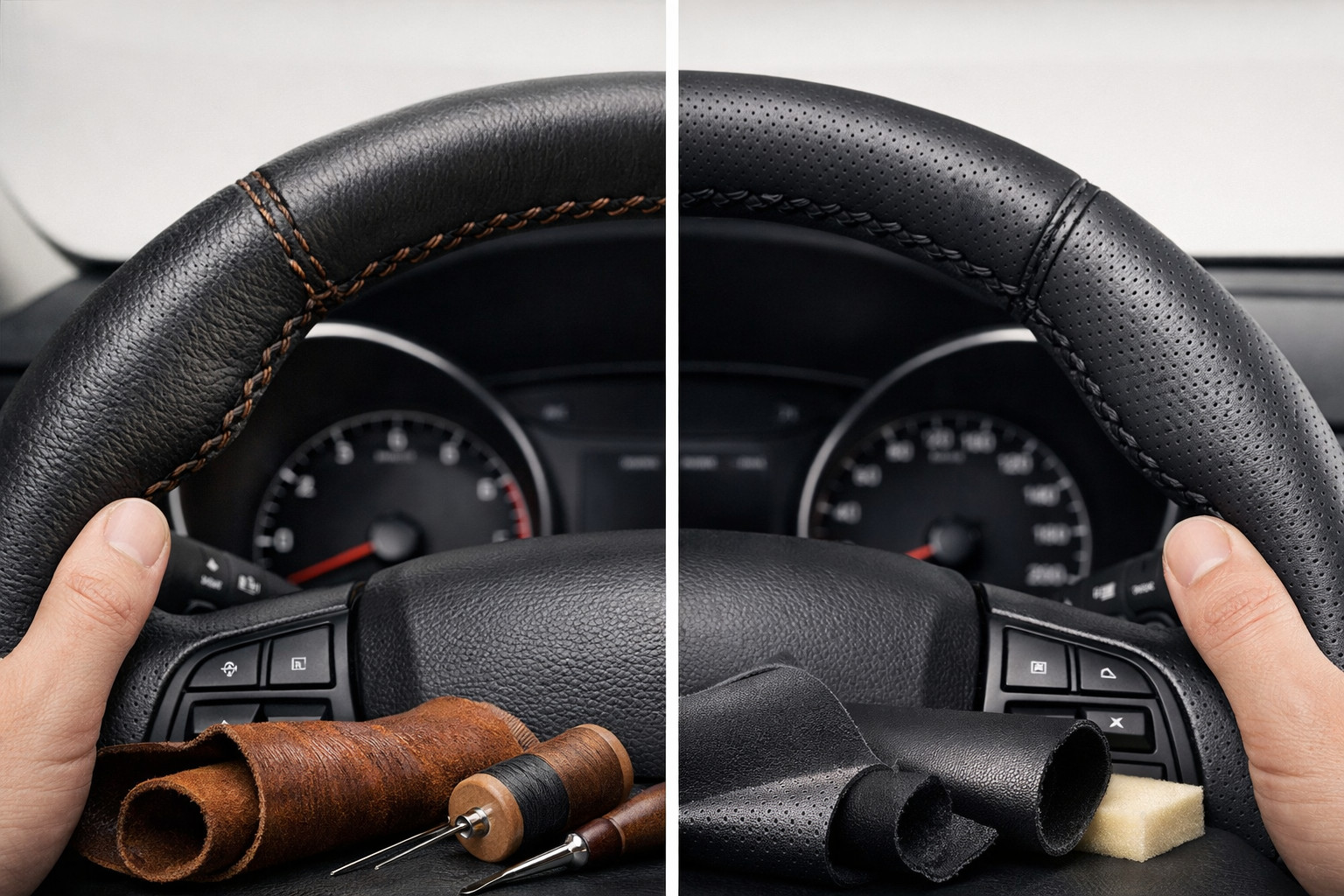
For the Dolphin Surf, the point isn’t power tuning, but things that genuinely make everyday life easier. A small EV quickly collects dirt in the cabin, constantly carries charging cables, and the modest trunk needs more careful protection if you’ll be putting in a stroller, bags, or tools.
In short, this model suits protection and space organization more than cosmetic tweaks. For a budget electric hatchback, the best accessories are the ones that reduce interior wear and add functionality without extra weight.
BYD Dolphin Surf 2026 is a successful small EV for the city, suburbs, and daily routes where compact size, a moderate price, safety, and solid practicality matter. It doesn’t cover every scenario: four seats, average highway comfort, and less-than-perfect driver assists need to be accepted before purchase. But if what you need is a city EV without unnecessary theatrics, the model looks very sensible, and functional accessories are truly appropriate here. This material is based on real selection experience, hands-on practice, and real-world usage scenarios—not abstract marketing promises.
| ✔ | Compact dimensions, a small turning circle and front-wheel drive make Dolphin Surf very convenient for city use and parking in tight courtyards. For everyday short trips, it’s a practical format without unnecessary complexity. |
| ✔ | The Blade LFP battery looks well suited to everyday use: it handles regular charging well and fits into urban driving perfectly. For home charging or charging at work, there is convenient 11 kW AC charging. |
| ✔ | Despite its small size, the car offers 308 l of trunk space and decent room for two rear passengers. This makes it more than just a “city box” and a fully functional car for shopping, child seats and everyday errands. |
| ✔ | Safety looks like a strong point: the model has a 5-star Euro NCAP rating and high scores for adult and child protection. The basic assist package comes as standard, which is important in this price segment. |
| ✔ | DC charging speed of up to 85 kW makes it possible not only to charge at home, but also to take short intercity trips without overly long stops. This adds flexibility compared with many purely urban EVs. |
| ✘ | At high speeds, the Dolphin Surf no longer seems as convincing as it does in the city: the chassis and overall composure show some compromises. For frequent motorway driving, it’s not the most comfortable option. |
| ✘ | The European version has a four-seat cabin, so the car isn’t suitable for those who regularly need to carry five people. This could be a decisive limitation even before purchase. |
| ✘ | The sound insulation doesn’t create the impression of a more expensive car, especially on the highway, where wind and road noise are audible. As a result, long trips are less relaxing than they could be. |
| ✘ | The electronic assistants can be too intrusive for some drivers. It’s not a critical drawback, but in everyday use it can be genuinely annoying. |
| ✘ | For frequent long-distance routes, you’ll have to accept charging stops, and the car itself is not a highway runner. In other words, its strengths quickly diminish outside a city setting. |
Shipping to EU
Wholesale and retail
Own warehouse
Опис продукту
Подарунки не надаються при оформленні покупки у кредит під 0,01% або при покупці частинами.