 Author: Radomskyi Maksym Vasyliovych
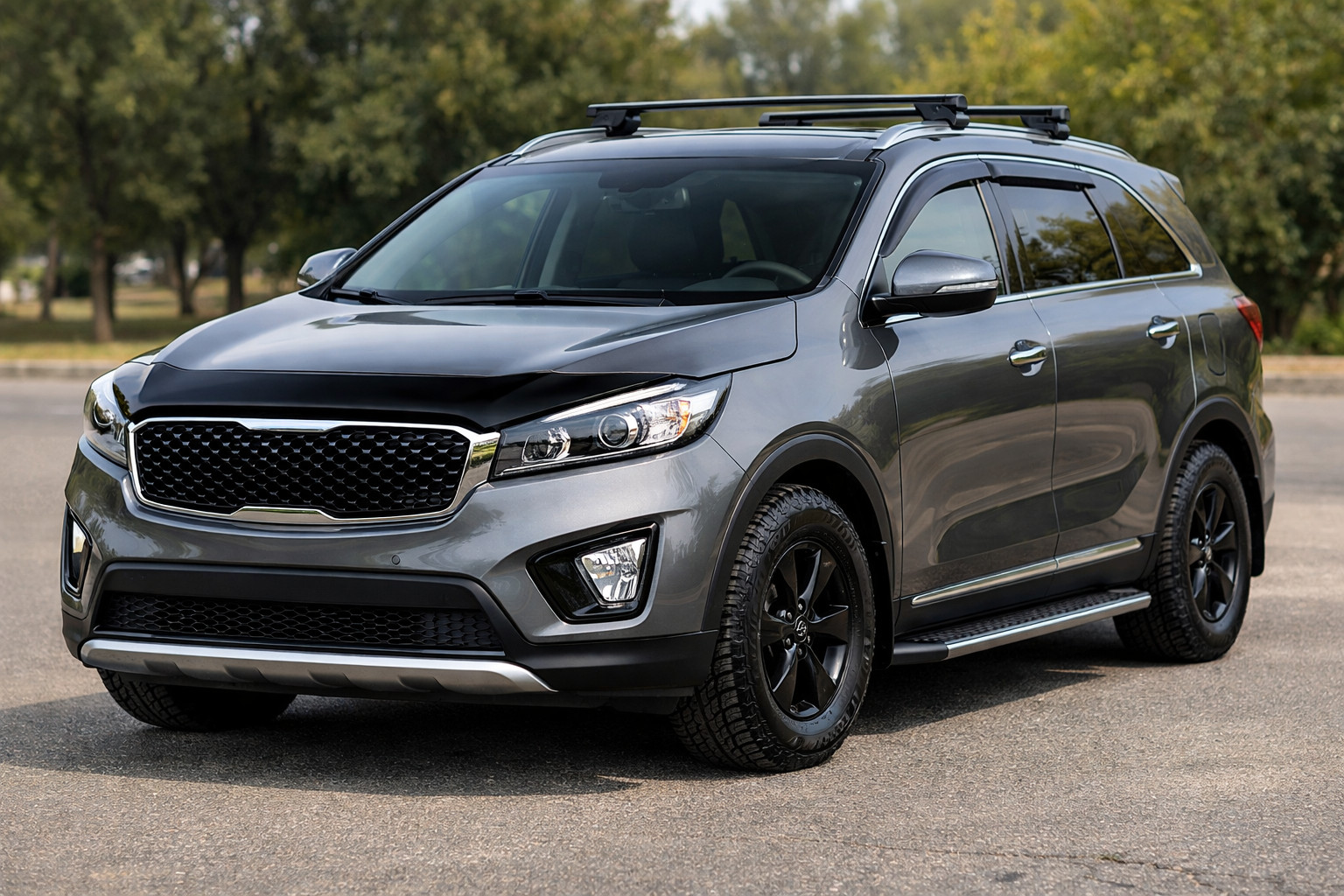
This upgrade plan for the Kia Sorento III UM is a good fit for anyone who drives daily in the city and on the highway, wants less dirt in the cabin and trunk, and is looking for light, practical hood protection rather than something purely for show. If your vehicle is on the 2014–2015 boundary, the first step here isn’t a purchase—it’s verifying the generation by VIN: in some markets during those years the XM(FL) still appears, and for accessories this is critical.
The upgrade logic is simple: first install what genuinely works every day, then cover the hood based on your use case, and only after that think about comfort and appearance. For paint, a hood deflector is not a full replacement for film: it’s more about insects and small road debris, while film is better at taking the hit from stone chips.
What this upgrade needs to handle
In day-to-day use, the Sorento most often suffers not from a lack of chrome, but from sand on the floor, water underfoot, dirt in the trunk, and abrasive grit flying at the lower body. If the car carries kids, groceries, tools, or travel gear, the cabin and trunk get dirty faster than you notice.
Light hood protection in this case doesn’t mean armoring the entire front end—it means a smart barrier for everyday driving. If you do a lot of highway miles, it’s more important to think about preserving the paintwork. If it’s mostly city driving and you want a simpler option, a solution against insects and small debris is enough.
A separate nuance for the Sorento is the interior configuration. In the 7-seat version, the third-row and trunk area needs extra attention: a universal approach often results in poor accessory fitment.
What to upgrade first
The first priorities for this Sorento are rubber floor mats for the cabin, a trunk mat, and mud flaps. These aren’t the flashiest purchases, but they’re exactly what reduces dirt, moisture, and fine abrasive debris every day—stuff that otherwise ends up on the sills, trim, and carpet.
With the hood, the logic is this: if your main goal is to preserve the paint, the first thing to consider is paint protection film (PPF), at least on the high-risk area. If you want a simpler, more budget-friendly compromise, a hood deflector addresses insects and some small debris, but it doesn’t provide the same level of paint protection.
For 2016–2020 vehicles, selection by model year is usually easier. For 2014–2015, the mistake is the most expensive: you can buy an accessory that seems to be for a Sorento, but not for the correct body series. That’s why checking the VIN here matters more than any checklist advice.
Upgrade: why it’s needed, who benefits (table)
| Upgrade | Why it’s needed | Who truly benefits |
|---|---|---|
| Rubber floor mats (cabin) | Catch water, snow, sand, and everyday dirt that would otherwise spread across the floor | Basically everyone who drives daily, especially in winter and the shoulder seasons |
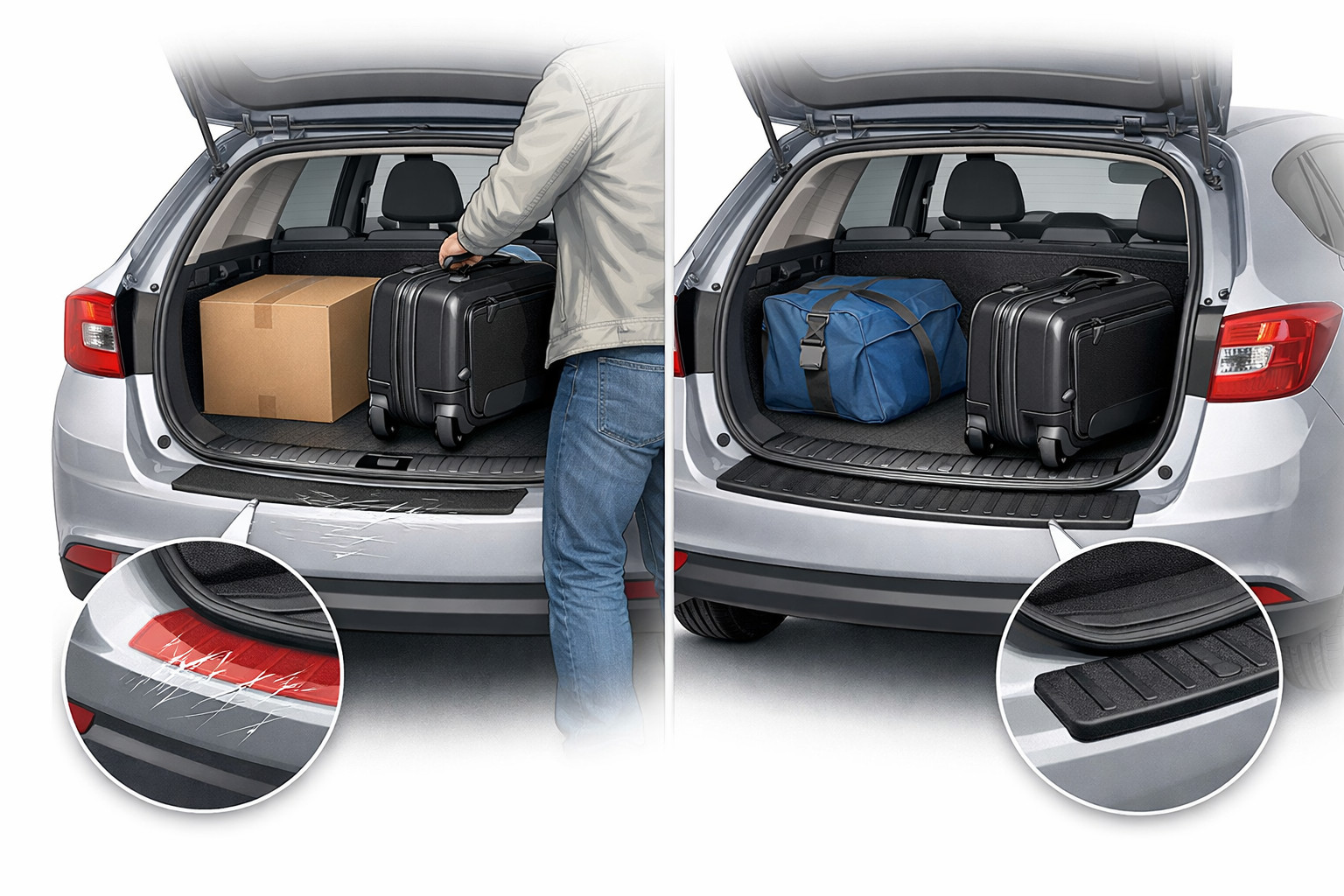
| Trunk mat | Protects the surface from bags, fuel cans, a stroller, kids’ items, and spills | Families, anyone who often hauls things, and 7-seat version owners |
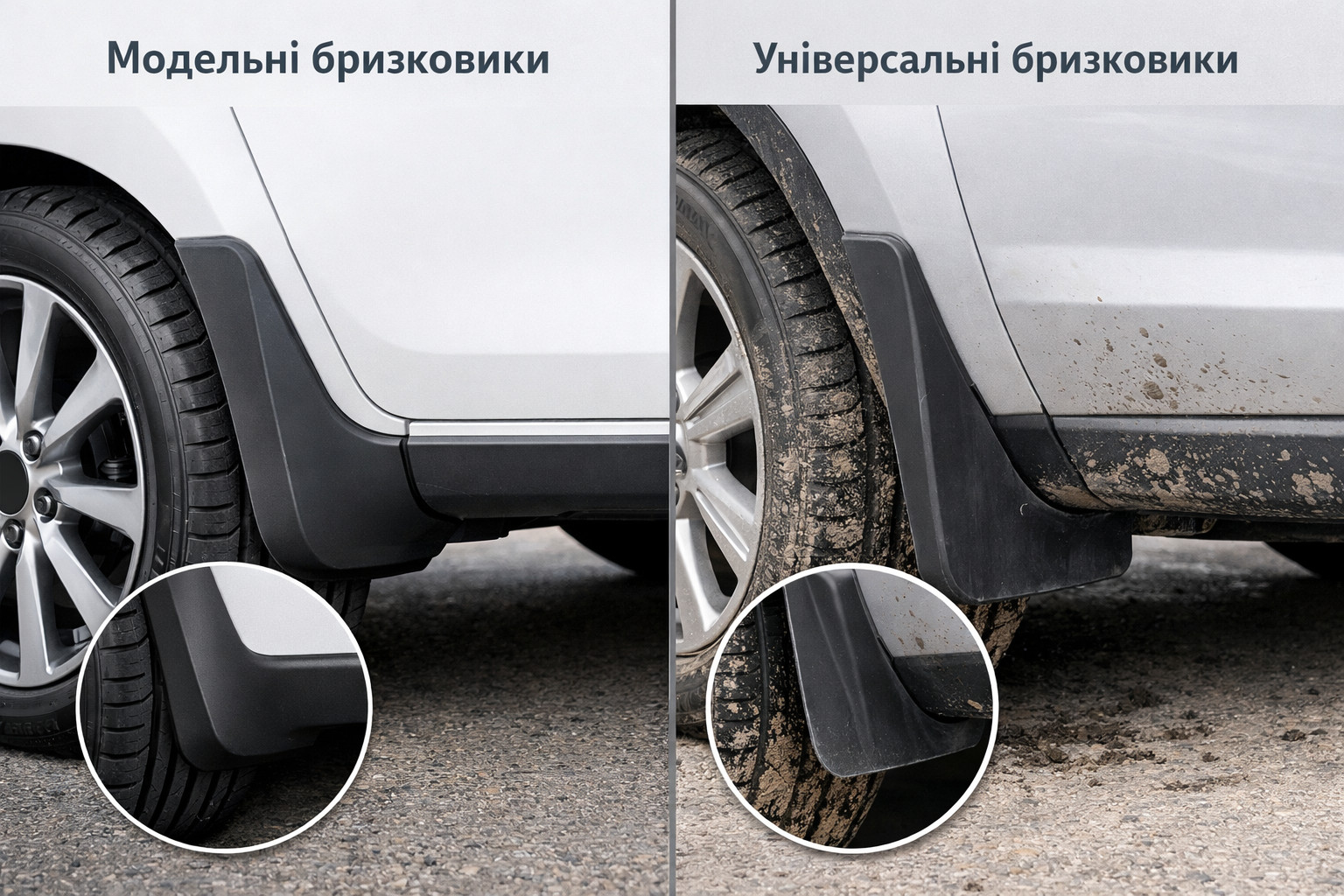
| Mud flaps | Reduce the flow of dirt and abrasive grit onto the lower body and rear doors | Those who drive on wet roads, on the highway, or in winter |
| Paint protection film on the hood or its leading edge | Provides the most real-world protection for the paintwork against chips | Those who often drive on the highway or want to preserve paint condition |
| Hood deflector | Works against insects and some small road debris | Those who need a simpler, cheaper compromise instead of film |
| Third-row protection | Covers an area that’s often forgotten when choosing cabin accessories | Owners of 7-seat Sorento where the third row is actually used |
DD Tuning expert comment: most Sorento owners start with what’s visible on the outside, not with what works every day. Typical mistakes are simple: ordering accessories by model year only without the VIN, treating a deflector as if it fully protects the paint, or saving on mats and trunk protection and then overpaying for chrome and trim. If you want a practical result, first уточнити the body and interior configuration, and only then choose hood protection.
What makes sense to add as a second stage
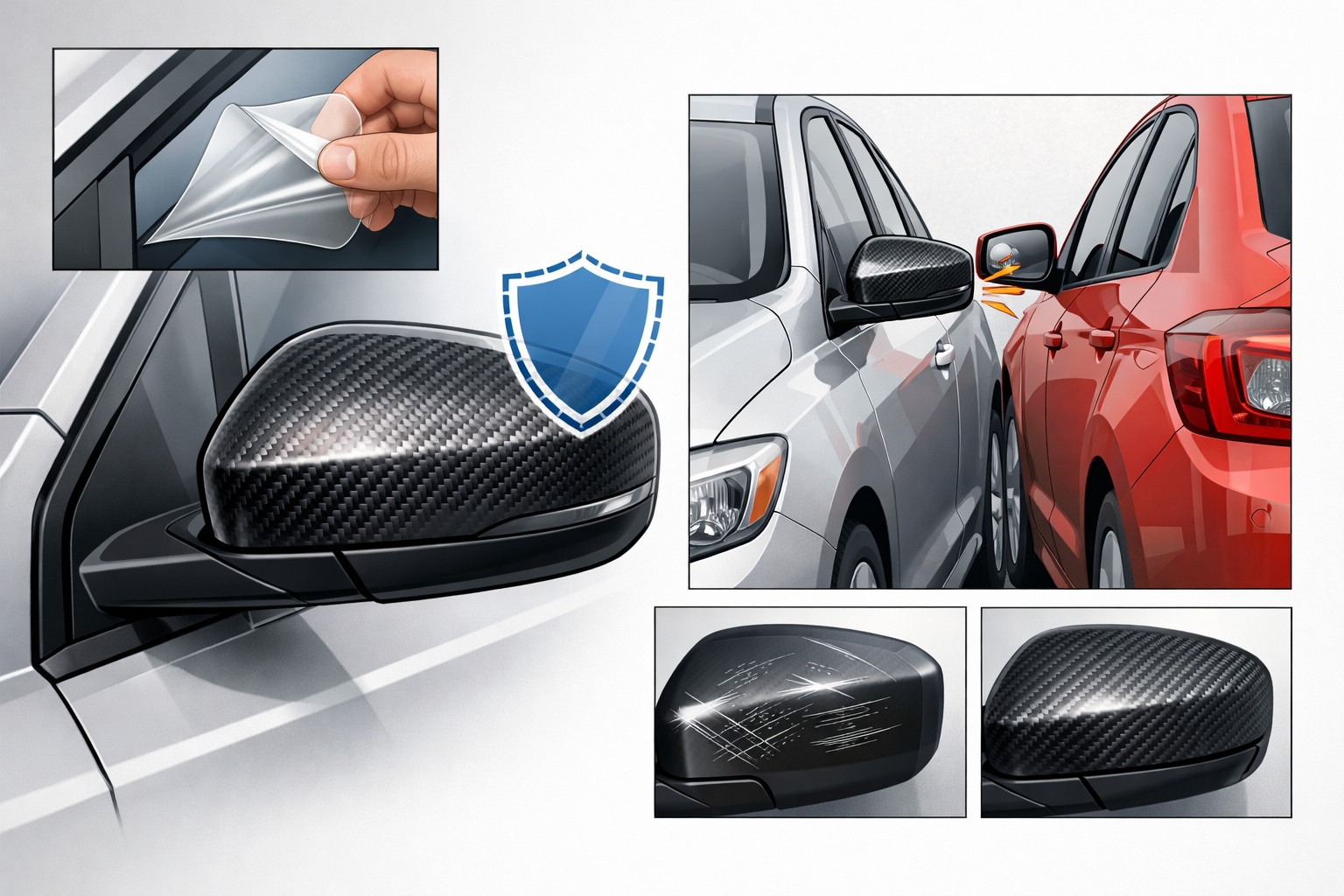
Once the basic protection is in place, it makes sense in the second stage to expand protection of the high-risk areas rather than scattering money on small décor. For those who drive highways often, it’s logical to add film not only on the hood, but also on the front bumper, mirrors, and door edges. This brings noticeably more benefit than any trim pieces that only change the look.
For a 7-seat vehicle, the second stage is often about dialing in the interior for real use: separate protection for the third-row area, a precise solution for the trunk rather than a universal mat. If the third row is rarely folded down, you can postpone this purchase; if people regularly sit there, there’s no point delaying it.
Window deflectors can also be considered a second-stage item, but not part of the base. They don’t solve the dirt-in-the-cabin issue, don’t replace mud flaps, and don’t affect hood condition—so in a starter budget they should be lower priority.
What’s more about comfort or appearance
In this group for the Sorento, I’d include side steps, most chrome trims, and some decorative elements for the doors and bumpers. They may look good, but they don’t address the main problems of everyday use. If the cabin is already getting dirty, the trunk is getting scratched, and the front end is catching debris, their benefit will be secondary.
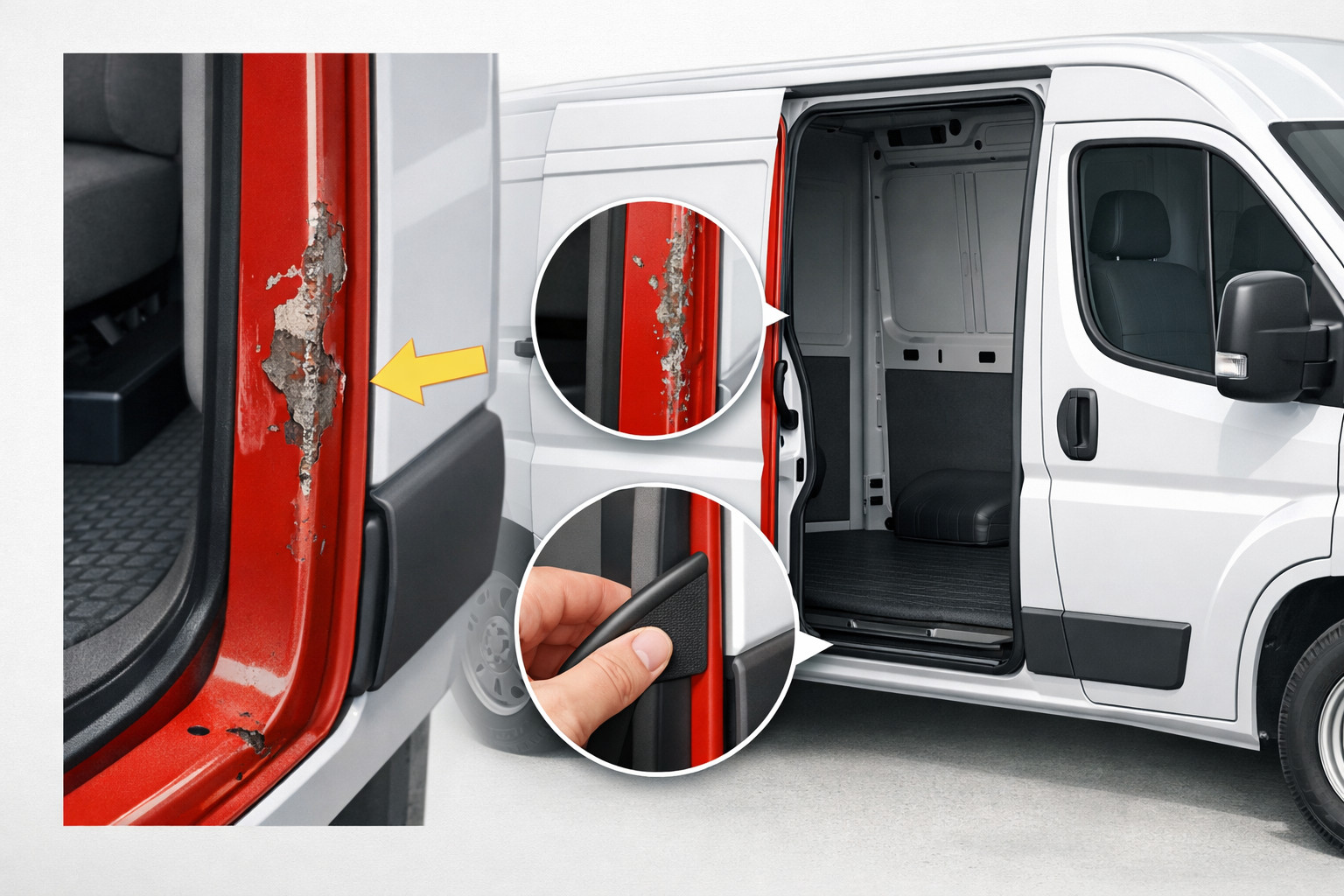
Side steps make sense if kids or older passengers ride often, or you regularly use a roof rack. Otherwise, it’s more of a habit-driven or visual upgrade. The same goes for door-sill trims and trunk-lid protectors: they’re useful when there’s a specific contact point, not just a desire to “add something.”
In short: comfort and visual accessories aren’t forbidden, but they come after protection. In a starter Sorento upgrade, they shouldn’t eat the budget needed for mats, trunk protection, mud flaps, and the hood.
What people often buy for nothing
The most common mistake is buying by calendar year rather than the specific body and VIN. For a Sorento on the 2014–2015 boundary this is especially dangerous: the model name is the same, but accessory compatibility may be different.
The second typical mistake is overpaying for looks before covering basic needs. Chrome on handles, body trims, or bulky exterior elements won’t help if you have water and sand under your feet all season and constant stains in the trunk.
The third is expecting a deflector to do what only film can do. If the goal is specifically to protect the hood paintwork from chips, a shield on the hood edge shouldn’t be treated as a full replacement. Another wasted expense is universal mats where there are proper vehicle-specific solutions for the cabin and trunk.
What to install first, what to postpone, what’s optional (table)
| Scenario | What to install first | What can be postponed | What is not required |
|---|---|---|---|
| Basic daily use | Rubber mats, trunk mat, mud flaps | Hood protection, if mileage is mostly city | Chrome and decorative trims |
| Frequent highway driving | The same base kit plus hood protection | Extending film to mirrors and door edges | Bulky exterior décor |
| 7-seat version | Cabin protection with the third row and trunk in mind | Window deflectors, side-step trims | Elements purely for looks |
| Freshly repainted or well-kept hood | Paint protection film on the risk area | A deflector as an additional compromise layer | Any accessories that don’t protect the paint |
A ready upgrade plan for this scenario
- Check the generation and compatibility by VIN, especially if the vehicle is from 2014–2015.
- Install rubber floor mats in the cabin to cover everyday water, sand, and dirt.
- Add a trunk mat; for the 7-seat version, account for the third-row configuration right away.
- Install mud flaps for your model year so you don’t drag extra dirt along the body.
- Choose hood protection: film if preserving paint is the priority; a deflector if you need a simpler compromise.
- Only then move to the second stage: extending film to other risk areas or adding small comfort items.
- Leave decorative items, side steps, and trims for last, once the basics are covered.
When it makes sense to choose more expensive solutions
Paying extra is justified where you get either precise fitment or real surface protection. For the Sorento, that’s primarily vehicle-specific rubber mats and a trunk mat: they’re more useful than cheap universal options that slip, don’t cover the edges, and quickly become annoying.
For the hood, it makes sense to pay more when the condition of the paint truly matters to you, not just having fewer insects on the leading edge. In that scenario, film is more logical than a shield. If you need a simpler compromise without moving into more expensive protection, you can look at the EuroCap hood deflector as a basic option for daily driving.
From a customer’s experience: a Sorento owner for daily city driving initially wanted to install side steps and a few decorative trims, but after properly reviewing the use case, started with mats, a trunk mat, and mud flaps. He protected the hood not with a deflector but with film along the leading edge, because he regularly drives on the highway. As a result, he got less dirt in the cabin and felt calmer about small debris up front, and he comfortably postponed the expensive visual upgrades.
Conclusion
For the Kia Sorento III UM, a starter upgrade for daily use should be built around protection, not décor. First come cabin mats, a trunk mat, and mud flaps; next is choosing hood protection based on your mileage and how you feel about paint condition. If you do a lot of highway driving, film is the priority. If you need a simpler option, a deflector also makes sense—but in its role.
And most importantly: for 2014–2015, don’t rely on the model name alone—check the VIN and generation. This material is based on real selection experience, practice, and real use cases, where the best-performing accessories aren’t the flashiest ones, but the ones that save time, cleaning, and nerves every day.
How it works
- Check the generation by VIN If it’s a 2014-2015 Sorento, first verify the generation and accessory compatibility by VIN. At the boundary between these years, it’s easy to mistake one body style for another, and then the part you bought won’t fit.
- Cover the basic cabin protection Start with rubber floor mats for the cabin to stop water, sand, and everyday dirt. This is the most practical upgrade for city driving, highways, and the off-season.
- Install a trunk mat Add a trunk mat, especially if you carry groceries, bags, or kids’ small items. For the 7-seat version, take the third-row configuration into account right away so the accessory fits properly.
- Install mud flaps Mud flaps reduce the flow of dirt and abrasive particles onto the lower body and rear doors. They are especially useful on wet roads, highways, and in winter.
- Choose hood protection for your driving scenario If the main goal is to preserve the paint, install a paint protection film at least on the high-risk area. If you need a simpler and cheaper option against insects and small debris, you can get a hood deflector, but don’t treat it as a full replacement for the film.
- Postpone decorative trims to the second stage Install sills, chrome, and decorative trims only after the basic protection. First it makes sense to cover the cabin, trunk, and hood, and only then move on to items that are more about appearance or comfort.
Pros and cons
Rubber floor mats, a trunk mat, and mudguards really reduce the amount of water, sand, and dirt in the cabin and on the body. For everyday driving, this is the most practical base, not a cosmetic add-on.
For hood protection, there is a clear choice for the job: film better absorbs chips, while a deflector handles insects and small debris. This lets you avoid overpaying for unnecessary extras if you only need light protection.
The article immediately takes into account the difference between the 5-seat and 7-seat versions of the Sorento. This is important because the third row and the trunk require separate solutions, not universal accessories.
There is a clear sequence of actions: first basic protection, then the hood, and only after that comfort and styling. This approach helps avoid spending the budget on trim pieces before the really everyday issues are covered.
They also separately warn about checking the VIN for 2014-2015 vehicles. This is practical, because it helps avoid mistakes with accessories compatibility for a different body series.
The hood deflector does not protect the paintwork the way anti-gravel film does. If the goal is to keep the hood free from chips, this compromise option may not be enough.
Part of the solution depends on the exact body and VIN, especially around the 2014-2015 cutoff. Without this check, there is a risk of buying incompatible accessories.
Many decorative and exterior elements in this scenario take a back seat. If you want visual changes specifically, you will have to consciously put them off until after basic protection.
Universal floor mats and general interior solutions are directly criticized here as not the best choice. They may fit poorly, not cover the edges, and quickly become annoying in daily use.