23.07.2026
282
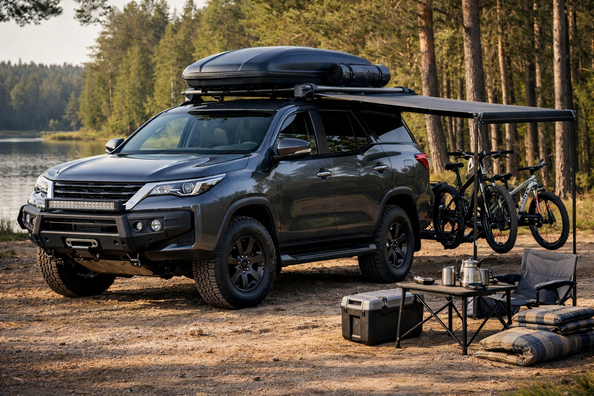
This upgrade plan is for a Toyota Fortuner owner who bought the car for family use, daily driving, and trips into nature—not for showy, hardcore off-roading. The main goal here isn’t to bolt on everything in sight, but to protect the cabin and trunk from dirt, make entry easier, organize your gear properly, and add exactly as much functionality as actually works in your real-world scenario.
The Fortuner already has a solid foundation: a high seating position, decent ground clearance, and on 4WD versions also H2, H4, and L4 modes. So after purchase, the smartest move is to start not with an expensive off-road kit, but with simple things that bring benefits on every trip.
For the “family + nature” use case, the Fortuner needs to solve several everyday tasks at once. First, the cabin and trunk should calmly handle sand, wet shoes, kids’ items, folding chairs, bags, and gear. Second, getting into the vehicle should be convenient for kids and older passengers, because the car is tall. Third, cargo shouldn’t just fit—it should be secured so small items don’t roll around the entire compartment.
One more point: the third row in the Fortuner is better suited to children or shorter adults. If you often travel with six or seven people, no accessory will suddenly make it spacious, so the focus should be on cargo organization rather than decorative purchases. If you usually travel as four and carry equipment, then trunk protection, nets, and only then roof solutions matter more.
For light trips onto dirt, sand, or rough roads, the Fortuner typically doesn’t demand immediate serious tuning. But if your version is on purely road tires and you really do leave the pavement often, tires will eventually bring more benefit than exterior decorations.
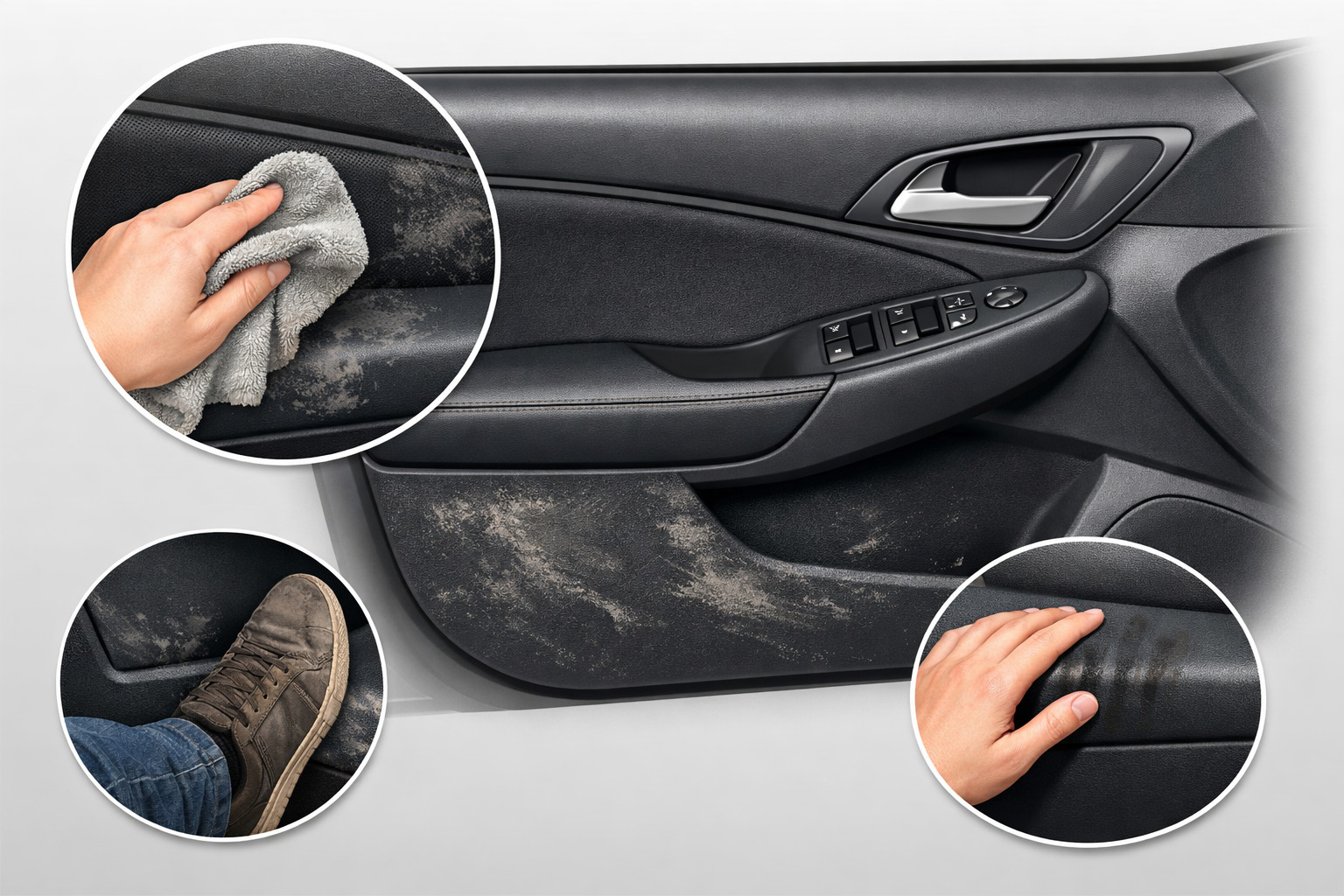
Top priority is protecting what you actually get dirty and scratch in real life. For the Fortuner, that’s rubber floor mats for the cabin, a trunk liner, and a trunk sill protector. These are the fastest to pay back because they save the trim from sand, water, bags, strollers, and gear.
The second logical step is a dashcam. For a family vehicle, this isn’t a “toy” but an everyday tool that works both in the city and on the highway. Its value is felt not out in nature, but in daily use.
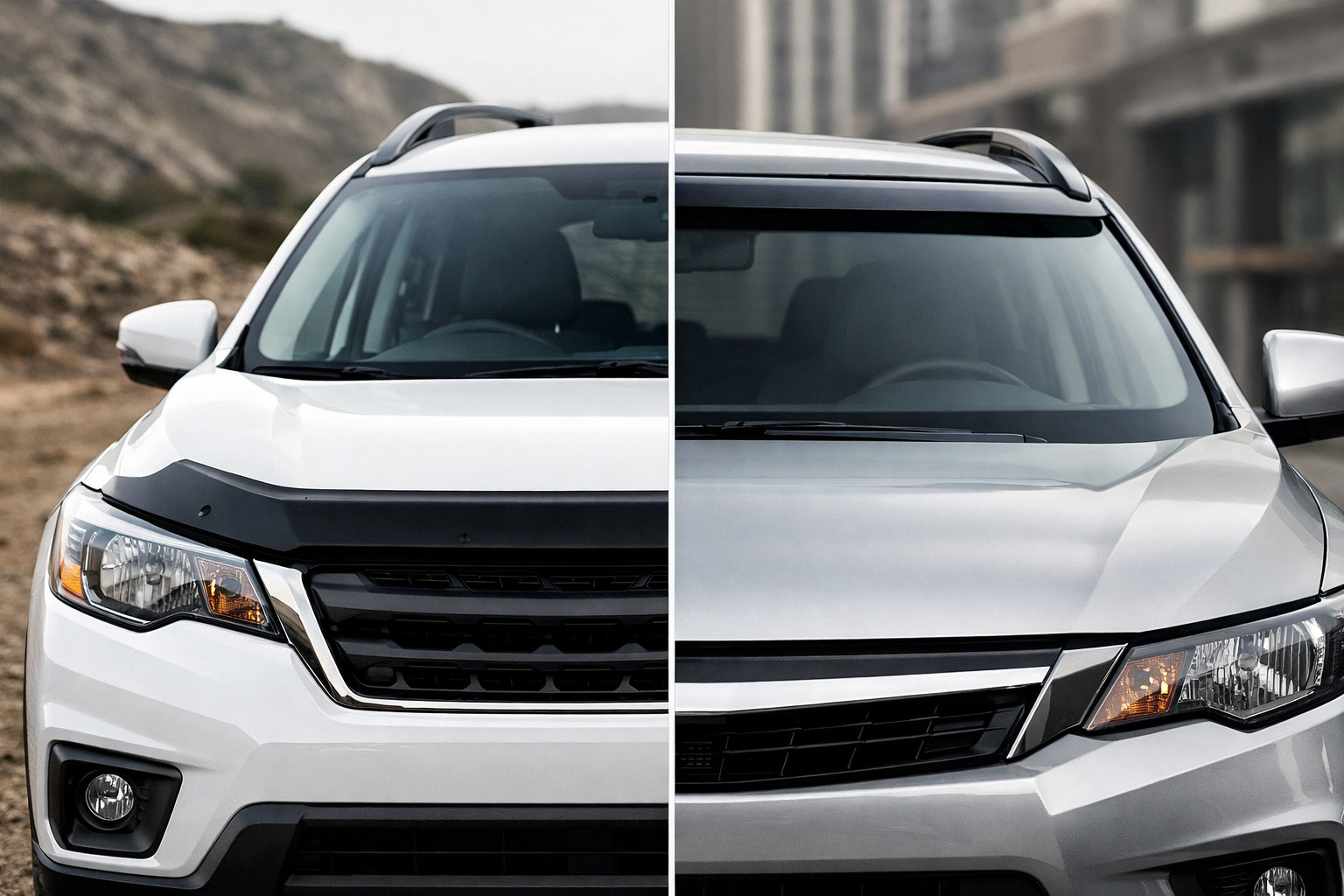
Third—side steps, but not for everyone. If children, older people, or shorter passengers regularly get in, side steps genuinely make life easier. If the crew is all adults and used to the high seating position, you can push this purchase further down the list.
Separately worth mentioning is underbody protection or an anti-corrosion coating. This isn’t a universal must-have after purchase—it’s a decision for wet, salty, or winter operating conditions. For a dry city and occasional summer trips, it won’t be the first item.
| Upgrade | Why it’s needed | Who it really helps |
|---|---|---|
| Rubber floor mats | Trap water, sand, dirt, and crumbs; make cleaning easier | Almost everyone, especially families with kids |
| Rubber trunk liner | Protects the trunk floor from gear, groceries, wet clothes, and shoes | Those who regularly carry something on weekends |
| Trunk sill protector | Takes the scratches during loading of bags, boxes, and strollers | Those who use the trunk often |
| Dashcam | Records trips and disputed situations on the road | Anyone who drives a lot in the city and on the highway |
| Side steps | Makes it easier to get into a vehicle with a high floor | Families with kids, older passengers, and shorter people |
| Seat covers | Protect the interior from wet clothes, sand, pet hair, and everyday wear | Those who often have kids, a dog, or lots of items in the cabin |
DD Tuning expert comment: The most common mistake Fortuner owners make after purchase is spending the budget right away on something big and noticeable, and then getting annoyed every day by a dirty trunk and awkward entry. The second typical mistake is copying someone else’s list without considering model year, generation, whether it has roof rails, and real routes. If the vehicle lives between the city, a country house, and dirt roads, you should start with protecting the cabin, cargo, and everyday practical items—not heavy steel.
Once the basic protection is in place, the second stage should focus on space organization. That’s a cargo net, barrier, or organizer if you constantly carry shopping bags, kids’ bags, sports gear, or small equipment. They’re not as flashy as exterior tuning, but they remove chaos in the trunk every day.
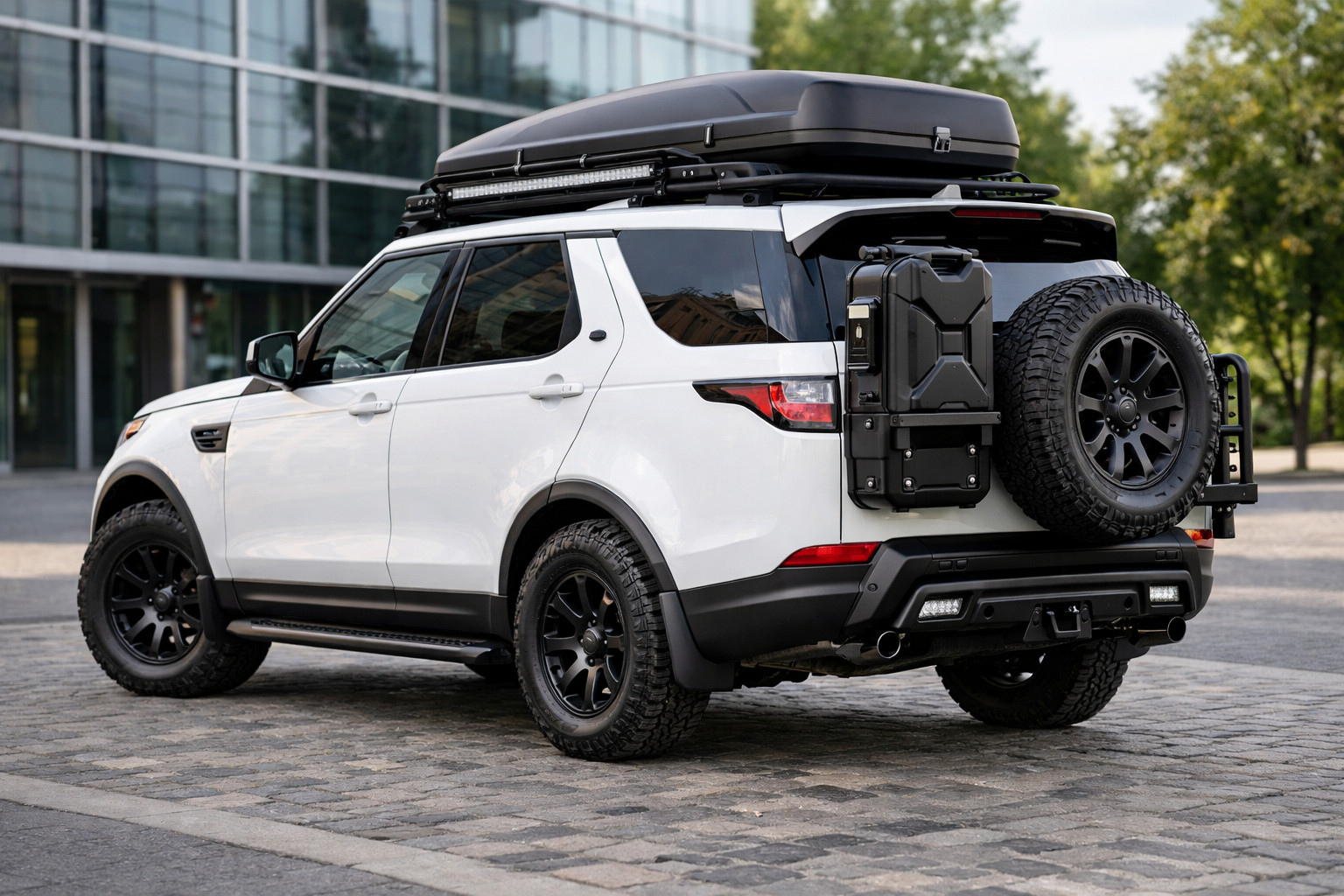
Next—roof crossbars or a towbar, but only if you’ve already hit a real lack of space or actually use a trailer. For occasional trips with a couple of bags, these items are unnecessary. Also, any external cargo solution should be chosen based on load ratings, not installed “just in case.”
Seat covers also belong to the second stage. They make sense if you have kids, a dog, a beach-use scenario, or dirty clothing after active отдых. But covers don’t replace mats and trunk protection: first you protect the floor and cargo area, then you think about the seats.
In this area, the key is not to confuse useful with nice-to-have. Side steps are a borderline case: they can look like a styling add-on, but for the Fortuner they often have very practical everyday value. If the entry height is an issue and passengers are uncomfortable, that’s not cosmetics—it’s a proper functional upgrade.
Wind deflectors, individual trim pieces, local styling elements, and decorative small items may look appealing, but they don’t solve your basic scenario. The same goes for things that look great in a catalog but don’t improve interior cleanliness, entry convenience, or cargo organization.
The main rule is simple: don’t buy outside your scenario. The Fortuner can easily handle styling upgrades, but for family-and-nature use, the biggest budget waste is on things that look good and change almost nothing in daily life.
| Install first | Can be postponed | Not mandatory | When it’s justified |
|---|---|---|---|
| Rubber mats, trunk liner, trunk sill protector | Seat covers | Decorative overlays and lighting | The baseline for any Fortuner that carries family and gear |
| Dashcam | Cargo net, organizer, barrier | Expensive styling body elements | Real everyday effect from the first week |
| Side steps if there are kids or older passengers | Roof crossbars | Roof basket for rare trips | Depends on family makeup and entry comfort |
| Mixed-terrain tires if you often drive on dirt or sand | Towbar | Winch, snorkel, heavy-duty kit | Makes sense only with regular off-pavement use or towing |
More expensive upgrades are justified only when you’ve already identified a specific bottleneck. If you have a Fortuner 2015+ and the family constantly carries tents, bicycles, or long items, you can look at a roof rack or crossbars and cargo systems. But it’s only worth the money after checking roof load ratings, the presence of rails, and real need—not a desire to look more “touring.”
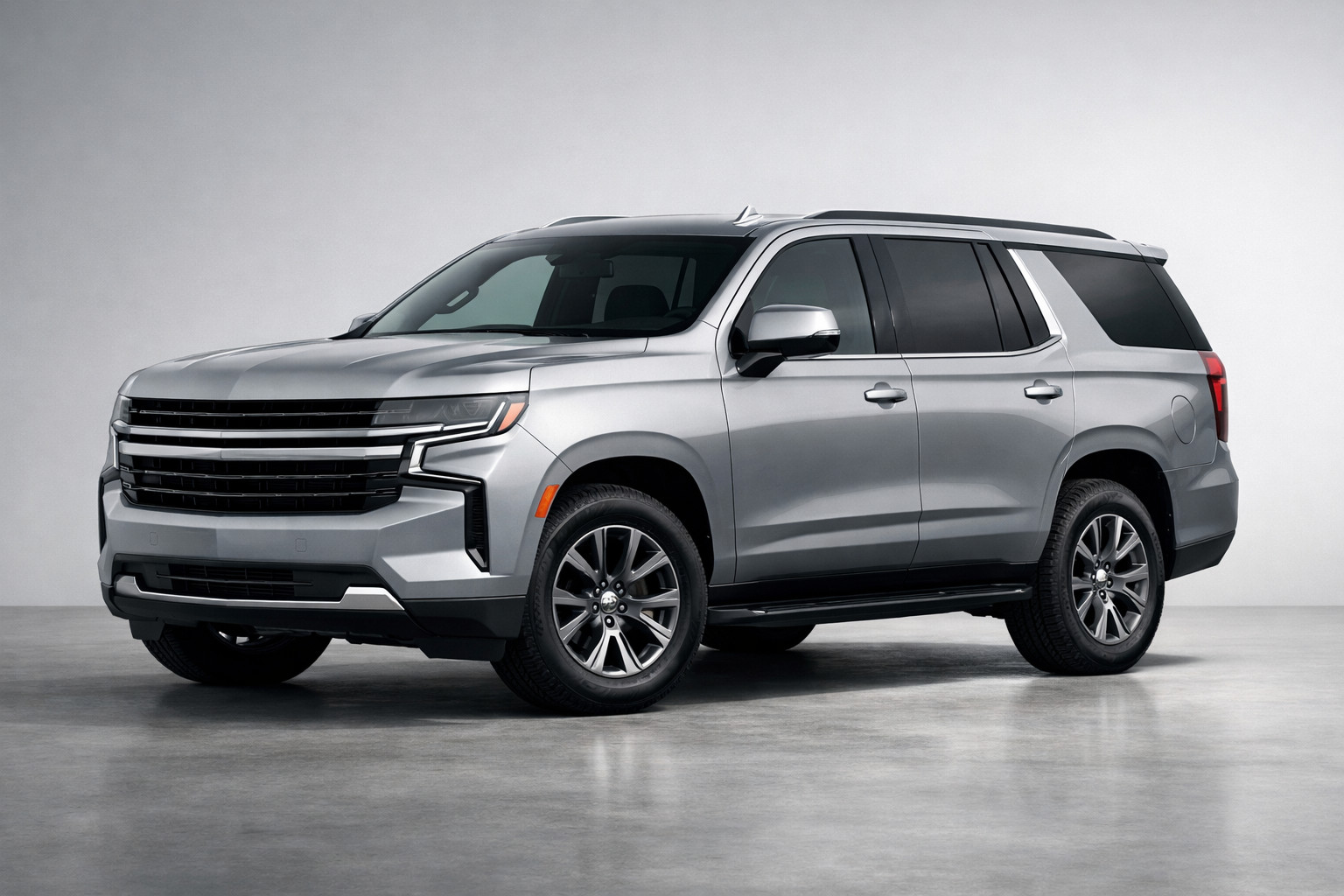
If you’re still evaluating the model itself for your operating conditions, it’s useful to first review the Fortuner overview. Mixed-terrain tires, a towbar, and especially heavy expedition equipment make sense when the vehicle regularly goes off pavement or tows a trailer; for occasional family trips, it’s often a premature expense.
From a customer’s experience: after buying a Fortuner, the owner initially wanted to install a large exterior travel kit, but after just two family trips he saw a different problem—a dirty trunk, scratches on the sill, and awkward entry for a child. As a result, he started with mats, trunk protection, a dashcam, and side steps, and bought roof crossbars only when bicycles appeared in the trips. That order turned out to be more useful than a one-time big “just in case” purchase.
For a Toyota Fortuner in the “family and trips into nature” scenario, the right order is very down-to-earth: first protect the cabin and trunk, then add a dashcam and side steps if needed, then organize your gear, and only after that move to more expensive cargo or off-road solutions. If you often drive on dirt roads, the biggest functional gain comes not from decorative accessories, but from properly chosen tires for your route.
This material is based on real selection experience, practical know-how, and real use cases. With the Fortuner, the biggest win usually goes not to the one who buys more accessories faster, but to the one who first solves dirt, cargo, entry comfort—and only then spends money on everything else.
| ✔ | Rubber mats, a cargo liner, and sill protection immediately cover the most problematic areas in family use: sand, water, wet shoes, and scratches during loading. This is practical for everyday trips and outings to the countryside. |
| ✔ | Side steps really make it easier for children, older passengers, and shorter people to get into the tall Fortuner. In this scenario, it is not a decorative option, but everyday convenience. |
| ✔ | A dash cam is useful not only on the highway, but also in the city, because it helps record disputed situations. For a family car, this is more useful than some exterior accessories. |
| ✔ | A cargo net, organizer, or barrier does a good job of solving the problem of loose items in the trunk. They do not add a “wow effect,” but they eliminate chaos during trips with bags, gear, and children’s items. |
| ✔ | If you often drive on dirt or sand, all-terrain tires will provide more real benefit than decorative tuning. In the article, this is presented directly as the next step after basic protection. |
| ✘ | You should not immediately invest in a bull bar, winch, or snorkel if the route consists mostly of asphalt and light outings. For such a scenario, this will be an unnecessary expense without any noticeable practical benefit. |
| ✘ | A roof basket or roof box is often bought too early, although first you should check whether the standard cargo space is really insufficient. Otherwise, it is just extra expense and unnecessary load. |
| ✘ | Decorative trim, lighting, and chrome hardly improve cabin cleanliness, seating convenience, or cargo organization. In a family scenario, they easily push more useful purchases into the background. |
| ✘ | Covers or organizers bought at random may not fit the folding of the second or third row in your version. Without checking, they risk becoming an inconvenient and ineffective purchase. |
Shipping to EU
Wholesale and retail
Own warehouse
Опис продукту
Подарунки не надаються при оформленні покупки у кредит під 0,01% або при покупці частинами.