 Author: Radomskyi Maksym Vasyliovych
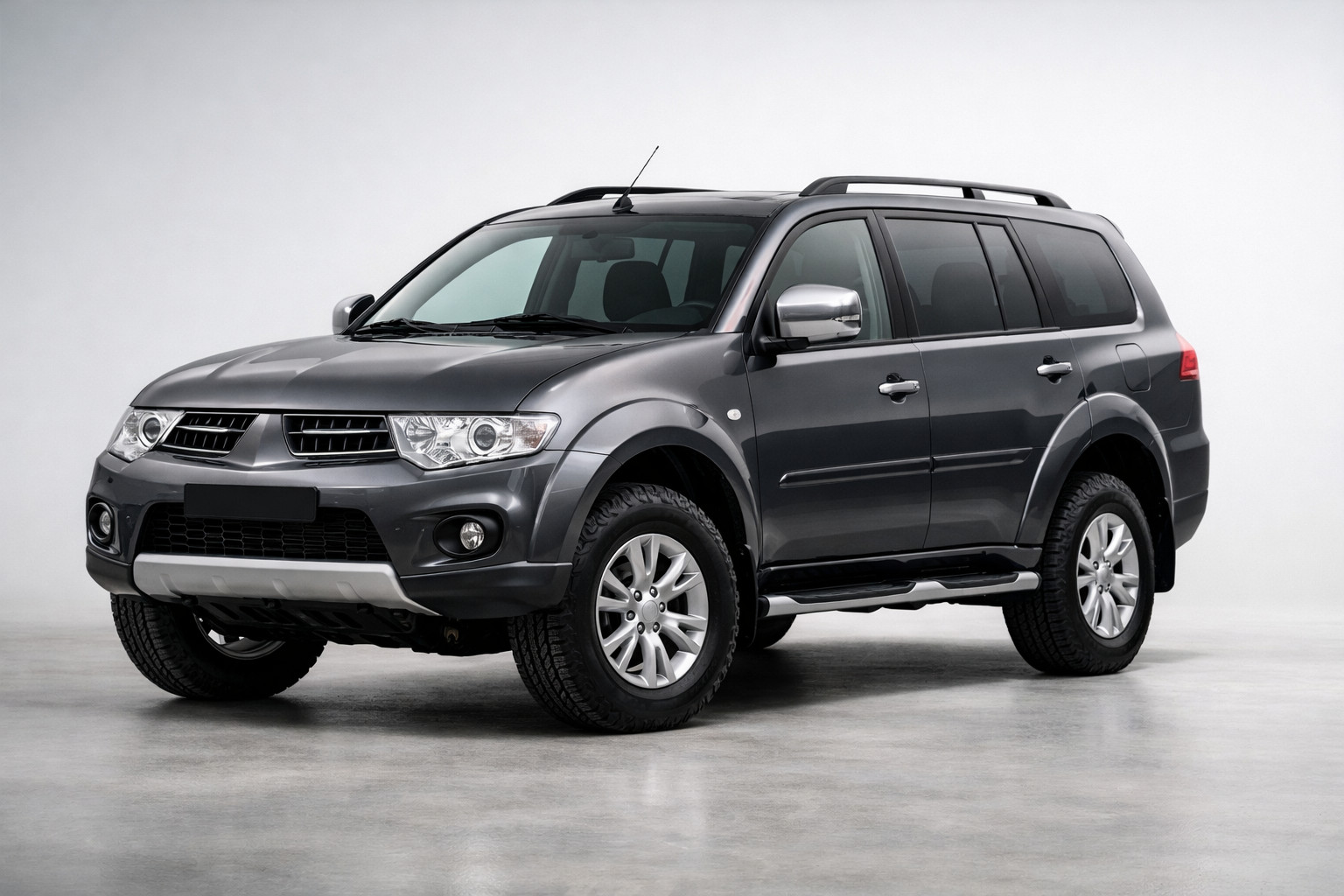
Mitsubishi Pajero Sport 2008–2015 is not a crossover in tougher wrapping, but a true body-on-frame SUV based on a pickup. Its purpose is simple: bad roads, snow, ruts, a trailer, country-house duty, long trips with gear. The trade-off is older ergonomics, a noisier diesel, and on-road behavior that doesn’t hide the ladder-frame construction.
If you need a vehicle mainly for the city, quiet highway cruising, and easy parking, this generation Pajero Sport may feel a bit rough. But if you deliberately don’t want a crossover and are looking for a mechanically honest off-roader, it’s one of the few models still worth considering.
The model and its place in the market
The second-generation Pajero Sport occupied a niche between large body-on-frame off-roaders and mass-market crossovers. Its main argument is the frame, low-range gearing, and Super Select 4WD, i.e., a package that’s rarely found in typical family models. That’s why it makes sense to compare it not with urban wagons, but with the Toyota Fortuner, Ford Everest, and Isuzu MU-X.
This is a vehicle for those who need mechanical durability and off-road geometry, not car-like feel. Not the best choice for someone who drives only on asphalt and wants soft responses, a quiet cabin, and modern electronics regardless of trim level.
Generations and model history
The 2008–2015 generation is the second Pajero Sport. The global premiere took place in 2008, and the model was built on the L200/Triton pickup architecture. This is an important point: it’s where the load-bearing toughness, seating position, and ability to calmly handle broken roads come from.
In 2015 a newer generation appeared, so these vehicles shouldn’t be mixed up. In different markets the transition happened at different times, so in 2015 you could still find both old and new vehicles side by side. Also, depending on the version, there were 5- and 7-seat configurations.
Engines and transmissions
This generation had several real powertrain options. The main 2.5 DI-D diesel had a displacement of 2477 cm³ and output of 178 hp, but torque depended on the gearbox: 350 N·m with the automatic or 400 N·m with the manual. The earlier 3.2 TD diesel is 3200 cm³, 160 hp, and 343 N·m. The 3.0 V6 gasoline engine is 2998 cm³, 220 hp, and 281 N·m.
There are also market-specific nuances with transmissions: you’ll see a 5-speed manual, a 5-speed automatic, and in some versions a 4-speed automatic. For real-world use, the key point is different: the 4WD system has 2H, 4H, 4HLc, and 4LLc modes, meaning the vehicle can not only drive on slick asphalt but also genuinely work off-road. When looking at a specific vehicle, specs should be checked for that market, engine, and gearbox, because catalog figures differ.
Body, dimensions, and chassis
By size it’s fairly compact for the body-on-frame SUV class, but with a good foundation for travel and poor roads. The front suspension is double-wishbone with coil springs, the rear is a three-link coil-spring setup; this layout takes hits from potholes well, but it doesn’t make the vehicle sharp in corners.
| Parameter | Value |
|---|---|
| Dimensions | 4695 × 1815 × 1840 mm |
| Wheelbase | 2800 mm |
| Ground clearance | 215 mm |
| Approach/departure/ramp angles | approach 36°, departure 25°, ramp 23° |
| Turning radius | 5.6 m |
| Trunk | 714 l, up to 1813 l with seats folded |
| Fuel tank | 70 l |
| Tires | 265/65 R17 |
| Weight | about 2050–2055 kg curb, 2710 kg gross; the 3.0 V6 is lighter |
The spare wheel is mounted under the frame, which is good for luggage space, but not always convenient in mud. The front brakes are ventilated discs; the rear setup is simpler. Bottom line: the Pajero Sport is well suited to real-world use beyond perfect asphalt, not “picture-perfect” driving.
Interior, comfort, and safety
The interior in this generation feels noticeably dated by modern standards. The seating position is high, visibility is good, there’s generally enough space, and the trunk is genuinely useful for everyday tasks. If there’s a third row, it’s more for kids or short trips than for adults on long journeys.
Comfort here is defined not by silence, but by the suspension’s ability to calmly swallow rough surfaces. The diesels are coarse, sound insulation is average, and on the highway older automatics may hold unnecessary revs. Safety depends heavily on the version: ABS, EBD, ISOFIX, a rear-view camera, parking sensors, and tire-pressure monitoring do appear, but some vehicles have a modest set—just two airbags, without stability control.
Everyday use
In the city, the Pajero Sport feels bulky: high frame, not the lightest steering, noticeable body roll. But on broken pavement it quickly shows why this design exists: where a crossover starts to get nervous, this Mitsubishi simply keeps going. For people who regularly deal with dirt, snow, potholes, and gravel, that matters more than polished behavior downtown.
With fuel consumption, it’s worth being realistic. For the 3.2 TD, official figures were 10.5 l in the city, 6.4 l out of town, and 7.9 l combined, while real-world feedback shows about 11.1 l in the city, 7.1 l on the highway, and 9.1 l combined. For other engines the numbers differ, but the logic is the same: this isn’t a vehicle about saving fuel, it’s a vehicle about a margin of durability.
Strengths and weaknesses
There’s no point looking for “fits every situation” versatility in the Pajero Sport. You should choose it for a specific use case—then its strengths really work.
| Strengths | Weaknesses |
|---|---|
| Frame, low-range gearing, and Super Select 4WD | On asphalt it feels heavier and less precise than a crossover |
| Handles potholes, waves, and bad roads well | There’s body roll, and the steering isn’t about quick reactions |
| Practical trunk and available 7 seats | The third row isn’t for adults on long trips |
| Simple, straightforward mechanical base | Noisy diesel, morally dated interior |
| Suitable for towing, country-house use, fishing, snow | Average efficiency, especially in the city |
| A strong alternative to most crossovers on broken roads | Safety level depends greatly on trim |
In short, the model suits those who often go beyond good asphalt and want a durable technical foundation. It doesn’t suit those who expect passenger-car smoothness, quietness, and a modern interior without compromises.
Tuning and accessories
For this model, tuning makes sense when it solves practical tasks. On the accessories page for Pajero Sport 2008–2015, it’s logical to start not with decorative items, but with what actually works in everyday use.
- Front protection — useful if the vehicle drives in ruts, on forest roads, or often approaches high curbs.
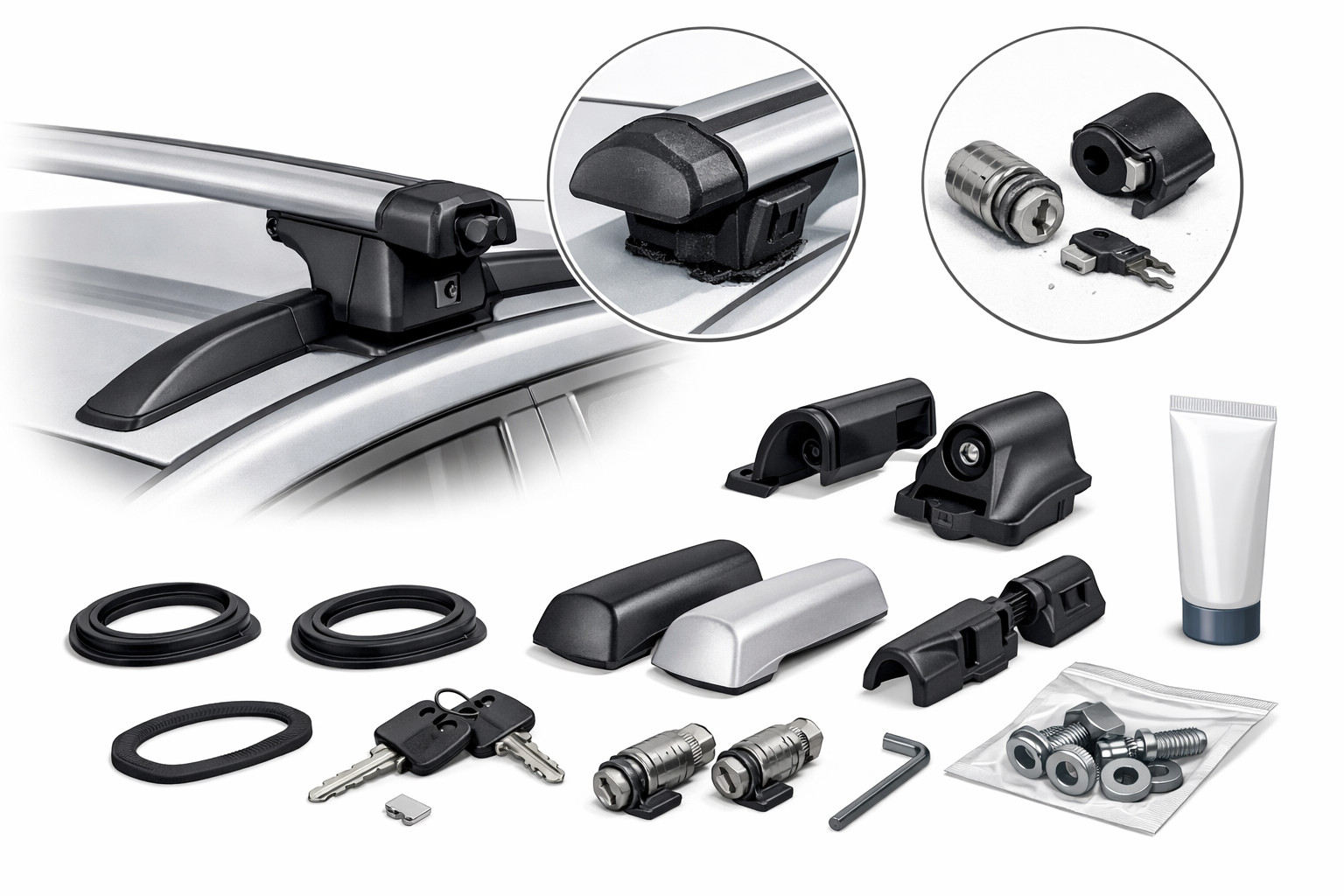
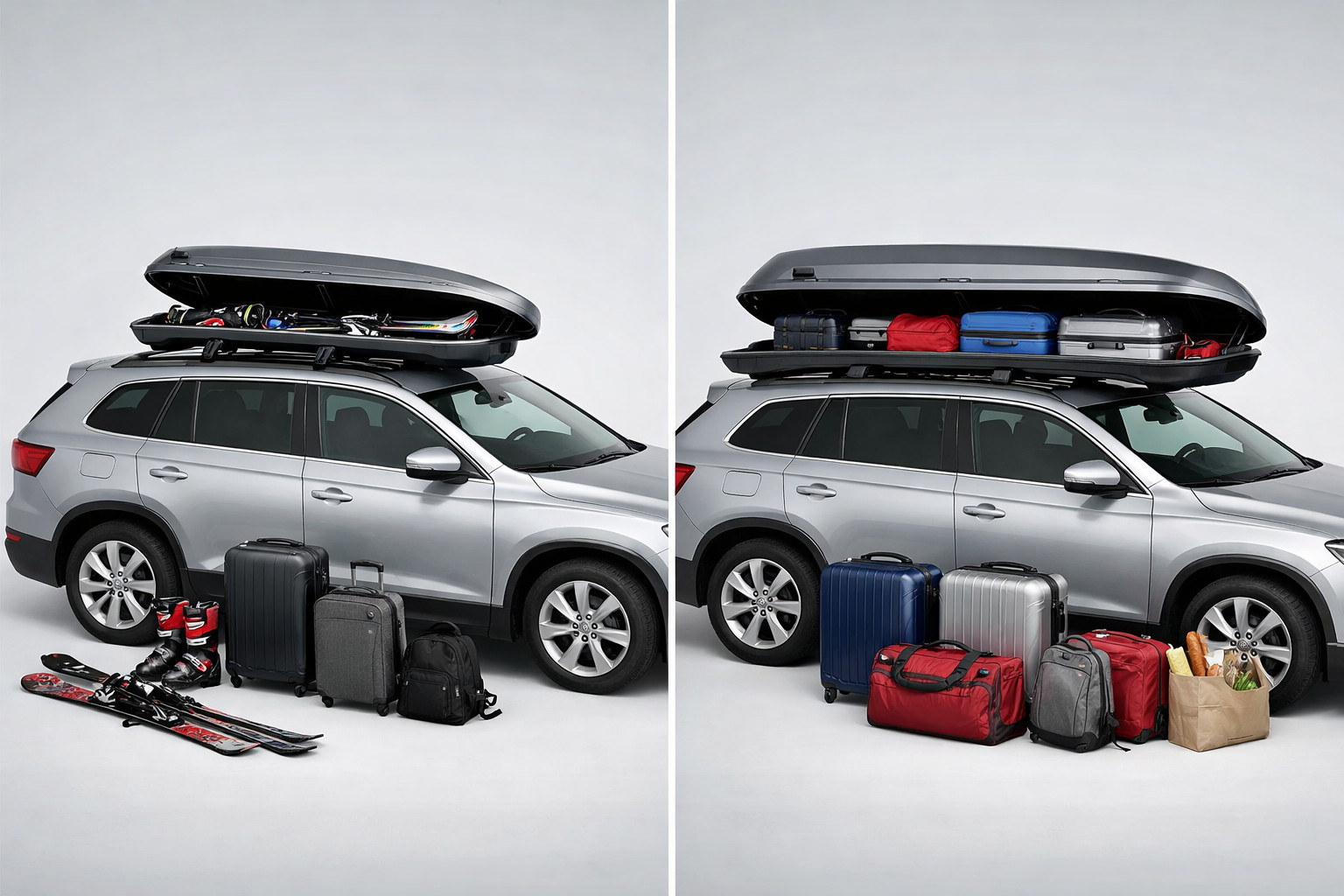
- Roof racks and roof bars — relevant for travel, fishing, equipment, and those cases when the cabin and trunk are already full.
For a city vehicle, basic protection and keeping the cabin and trunk organized is enough. For trips out of town, the set can be built around a real scenario: luggage, mud, extra gear, frequent loading.
What to check out for this model
- Front protection — if your priority is off-roading, winter roads, or active parking on uneven surfaces.
- Roof racks and roof bars — when the vehicle is used for travel, equipment, or long family trips.
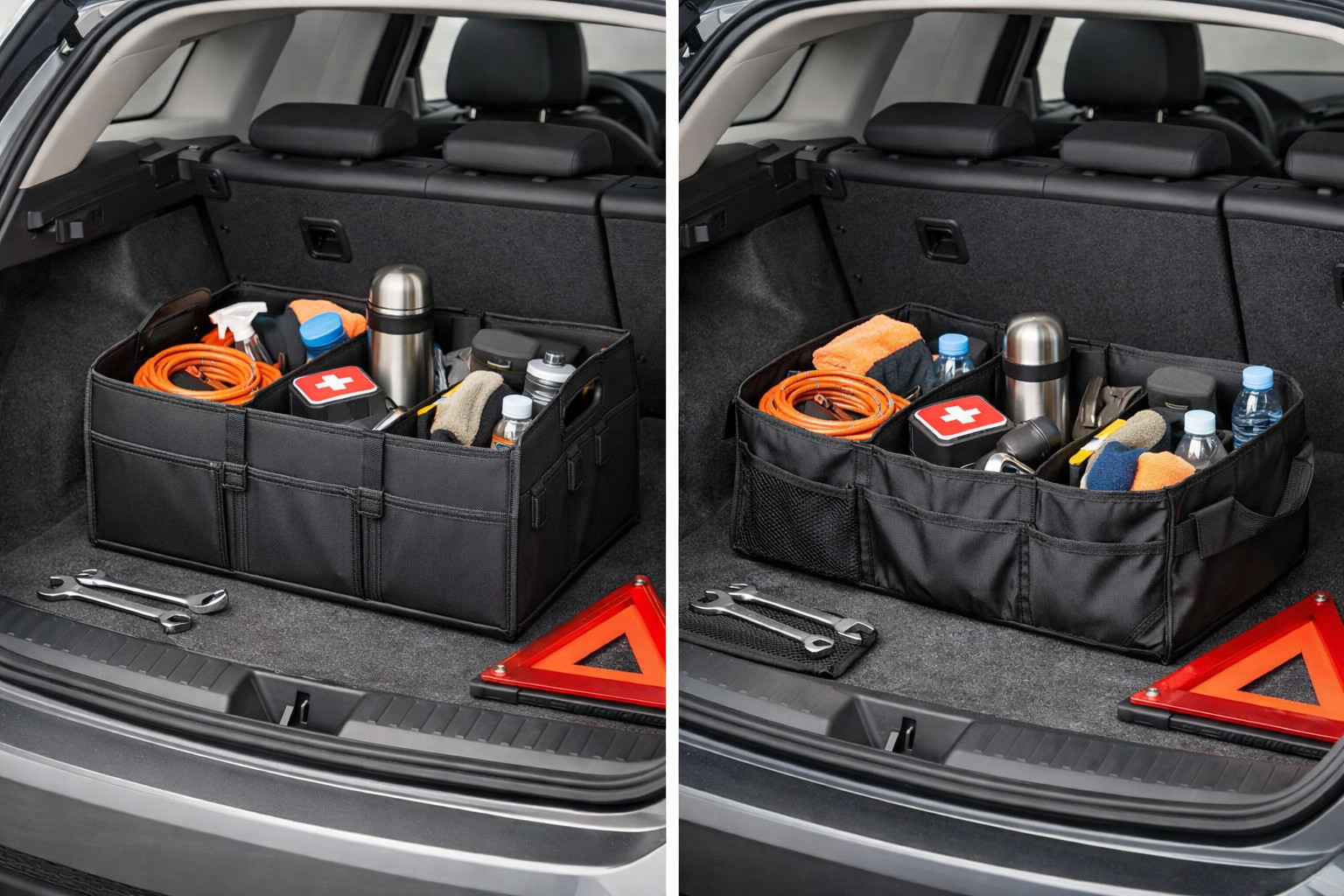
- Floor mats and trunk protection — a practical addition for muddy items, tools, pets, and everyday work use.
Conclusion
Mitsubishi Pajero Sport 2008–2015 is a good choice for someone who deliberately wants a body-on-frame SUV, not a crossover with plastic cladding. Its strengths show where the road ends or quickly deteriorates; its weaknesses show in the city and on fast highways, where the noise, weight, and older design are felt immediately.
Before buying, it’s important to look not only at condition, but also at the specific engine, gearbox, drivetrain, and safety equipment version. This material is based on real selection experience, practice, and real usage scenarios, so the main advice is simple: the Pajero Sport is worth buying when you clearly understand why you need a body-on-frame vehicle in the first place.