07.12.2025
203
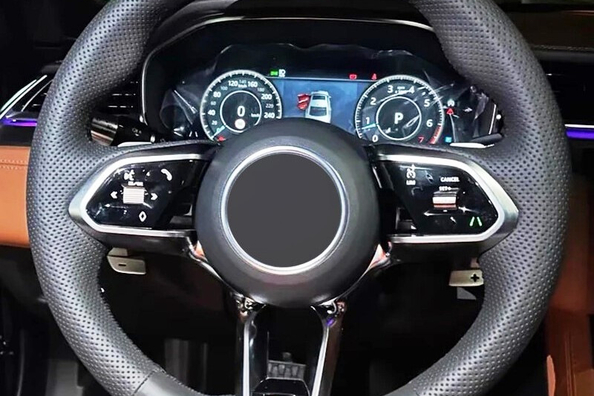



Steering wheel reupholstery — one of the most popular types of interior tuning. A new material not only changes the appearance but also directly affects driving comfort and safety. Today, most drivers choose between genuine leather, Alcantara, and eco-leather. Which option will last longer and not disappoint after a few seasons? Let’s find out in this article. You can complement the renewed steering wheel with tuning accessories that enhance the look and functionality of your car.
If your budget allows and you’re ready to maintain it — go for perforated genuine leather. Need a sporty grip and premium look — Alcantara, but only with protective coating. The most practical and versatile option for daily use — high-quality PU-based eco-leather with reinforced stitching.
The right material choice and professional reupholstery ensure that your steering wheel will please you for 5–10 years without losing its appearance or functionality.
Shipping to EU
Wholesale and retail
Own warehouse
Опис продукту
Подарунки не надаються при оформленні покупки у кредит під 0,01% або при покупці частинами.