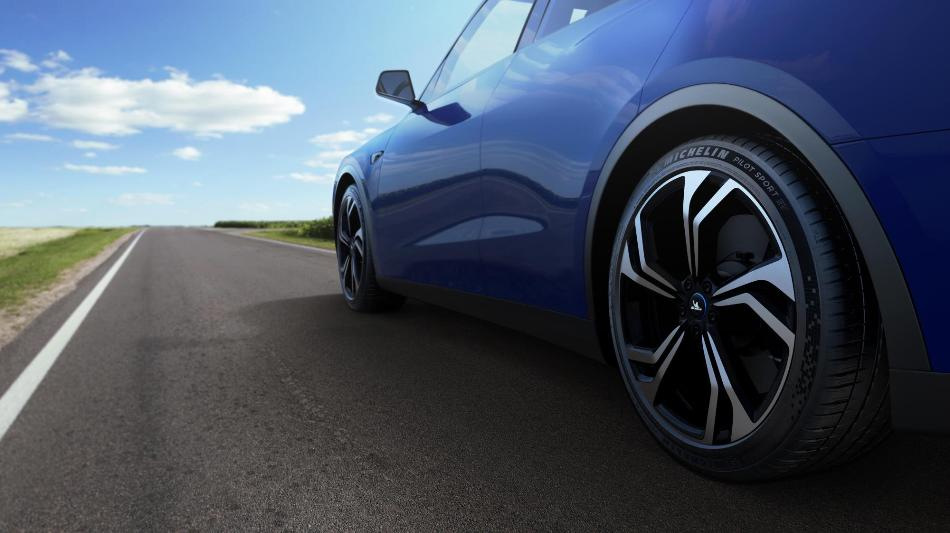
Many car enthusiasts wonder: what is the fundamental difference between an SUV and a crossover? Outwardly they may be similar, but structurally and in terms of their capabilities they are completely different cars. Understanding these differences will help you make the right choice when buying. You can also improve your car and add functionality to it by using tuning , the accessories of which are available in a wide range in our product catalog.
Key differences
There are several main differences between SUVs and crossovers:
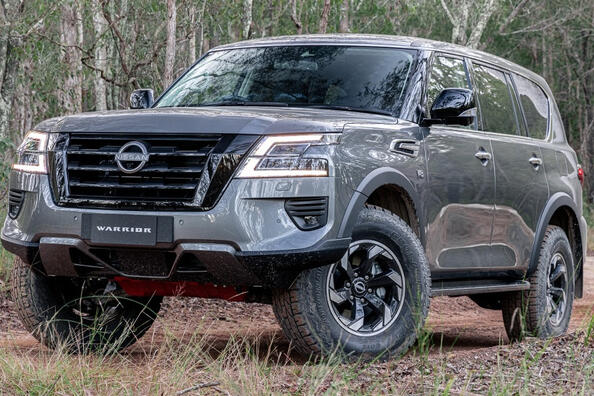
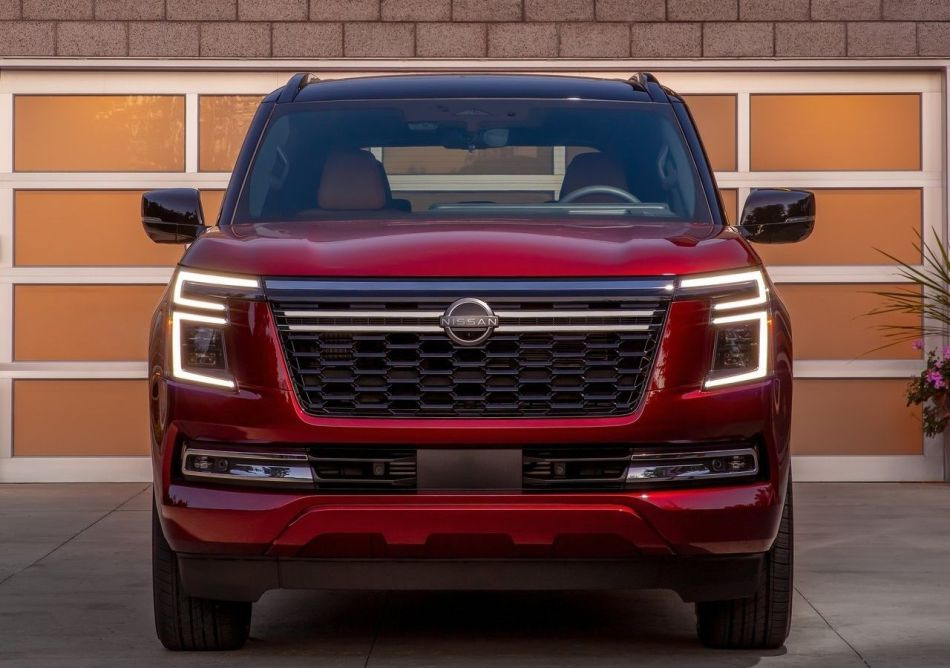
- Body structure: SUVs often have a frame structure, which provides high strength and durability when driving off-road. Crossovers have a load-bearing body, like passenger cars, which makes them lighter and more economical on asphalt.
- Drivetrain: Traditional SUVs typically feature either a selectable all-wheel drive or a permanent all-wheel drive (4WD) with a downshift for excellent off-road capability. Crossovers often feature front-wheel drive or all-wheel drive (AWD) for improved traction on slippery roads.
- Ground clearance: SUVs have high ground clearance, which allows them to overcome serious obstacles. Crossovers usually have lower ground clearance, which is more suitable for urban conditions and light off-roading.
- Purpose: SUVs are designed for operation in difficult conditions, including difficult off-road conditions. Crossovers are more versatile vehicles that combine the comfort of a passenger car with increased ground clearance, suitable for the city and trips outside it on simple dirt roads.
Which car to choose?
- An SUV is suitable for you if: you often go out into nature, fishing, hunting, where high cross-country ability is required, and also if you value the durability and reliability of the car in extreme conditions.
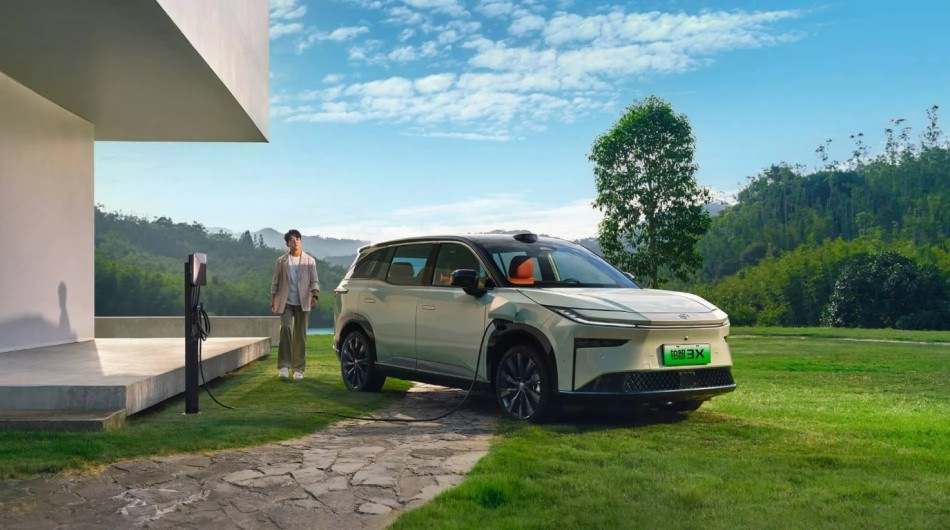
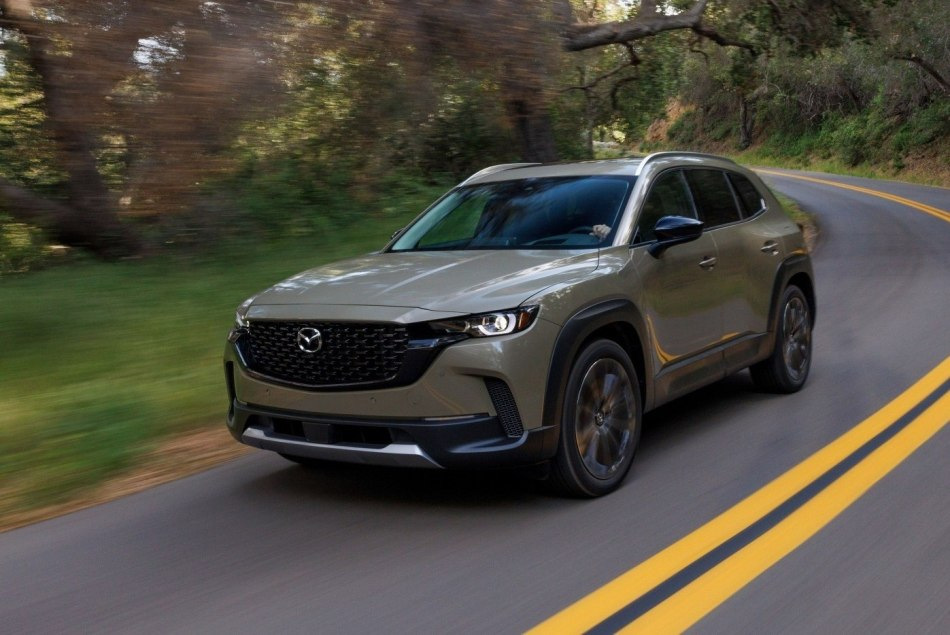
- A crossover will be the best choice if: you mainly drive around the city and sometimes go to the country on dirt roads, you value comfort and economy, and you also need a spacious trunk and increased ground clearance compared to a passenger car.
Understanding these differences will help you make the right choice and purchase a car that will perfectly suit your needs and operating conditions.