08.09.2024
661
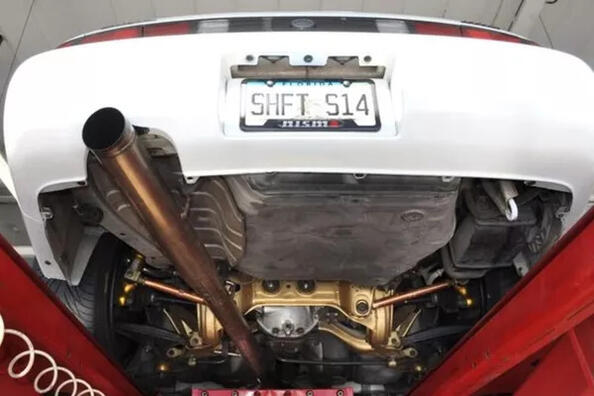

A direct-flow muffler is one of the options for tuning the car's exhaust system. It differs from a standard muffler by the absence or minimum number of sound-absorbing elements. Let's consider its advantages and disadvantages in more detail. You can also significantly improve your car and make it unique if you use tuning accessories, a huge assortment of which is available in our online store.
The direct-flow muffler is a pipe with minimal resistance to exhaust gases. Its main task is to remove exhaust gases from the engine. Unlike standard mufflers, it is not designed to significantly reduce the noise level.
A direct current muffler has its advantages and disadvantages. The decision to install it depends on individual preferences and operating conditions of the car. If you appreciate a sports sound and are ready to put up with increased noise, such a muffler can be an interesting tuning option. However, if comfort and legal compliance are priorities, other options are worth considering.
Shipping to EU
Wholesale and retail
Own warehouse
Опис продукту
Подарунки не надаються при оформленні покупки у кредит під 0,01% або при покупці частинами.