
23.11.2025
453
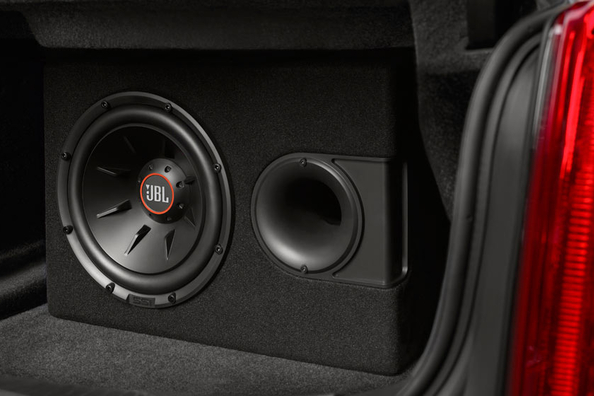

A car audio system without a subwoofer is like an orchestra without a double bass: the bass is lost, and the music sounds flat. This component amplifies low frequencies from 20 to 200 Hz, turning your drive into a concert. In this article, we’ll look at the advantages, disadvantages, and installation nuances of a car subwoofer. You can also enhance your car’s interior comfort and add functionality using tuning accessories, widely available in our online store.
The subwoofer adds emotion and practicality:
However, a subwoofer isn’t for everyone:
Choose power according to cabin size: 200–300 W for compact cars. An active subwoofer is easier to install. Add door soundproofing for cleaner sound.
A subwoofer makes in-car music more vibrant, but consider space and budget before buying.
Shipping to EU
Wholesale and retail
Own warehouse
Опис продукту
Подарунки не надаються при оформленні покупки у кредит під 0,01% або при покупці частинами.