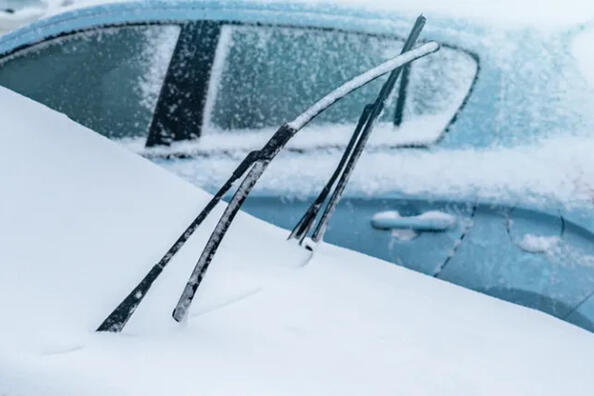
In winter, car wipers are put to serious test. Low temperatures, snow, ice and road chemicals can lead to their premature wear and tear and breakage. In this article, we will look at the main causes of wiper malfunctions in the winter and give recommendations for their prevention. To improve your car and improve its practicality, we recommend using tuning accessories, a wide range of which is available in our product catalog.
1. Icing and snow accumulation
- The most common problem is the wiper blades freezing to the glass. If you try to force them on, the blades can break or deform. Snow and ice also interfere with normal operation, creating streaks and reducing visibility.
2. Wear of rubber bands
- The rubber elements of the wipers wear out over time, lose elasticity and begin to clean the glass poorly. In winter, this process is accelerated due to temperature changes and the influence of reagents.
3. Frame damage
- The frame of the wipers, especially metal ones, is prone to corrosion when exposed to moisture and salt. Rust weakens the structure, which can lead to breakage.
4. Wiper trapezoid malfunctions
- The trapezoid is the mechanism that drives the wipers. In winter, low temperatures can cause the lubricant in the trapezoid to thicken, making it difficult to operate and potentially causing it to break.
5. Mechanical damage
- Accidental impacts and other mechanical impacts can also lead to breakage.
How to prevent windshield wipers from breaking in winter
- Before starting the engine, make sure the wipers are not frozen to the glass. Carefully separate them if necessary.
- Use special winter brushes. They have a protective cover that prevents snow and ice from sticking.
- Clean the wipers regularly from dirt and snow.
- Monitor the condition of your rubber bands and change them on time.
- Use antifreeze windshield washer fluid.
- Avoid using windshield wipers to remove ice from the glass.
By following these simple recommendations, you can extend the life of your wipers and ensure safe driving in the winter.