Found cracks on your car tires? You shouldn't immediately panic, but you can't ignore this fact either. Let's figure out in which cases a rubber replacement is necessary, and when an inspection can be dispensed with. You can also improve the attractiveness of your car if you use tuning accessories, a large assortment of which is available in our product catalog.
Types of cracks and their danger
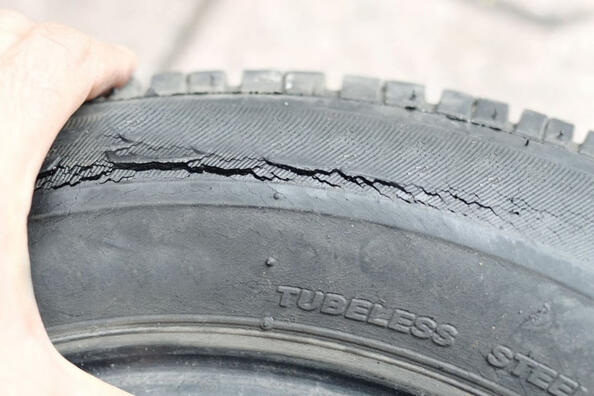
- Small surface cracks in the tire tread are generally not dangerous. Most likely, this is a consequence of the natural aging of the rubber.
- Deep cracks on the sidewall of the tire are a serious cause for concern. They can cause the tire to burst while driving, threatening to lose control of the car.
What to do if cracks are found?
- Determine the size and depth of the cracks. Use a magnifying glass or a special tire depth gauge.
- Consult a specialist. An experienced tire fitter will be able to assess the severity of the damage and give recommendations.
- Don't risk it! Replacing a damaged tire is the key to your safety on the road. Do not skimp on your health.
How to prevent cracks?
- Monitor tire pressure. Insufficient pressure is one of the reasons for the appearance of cracks on the sidewalls.
- Avoid sharp impacts on the wheels. Hitting curbs and potholes can damage the rubber.
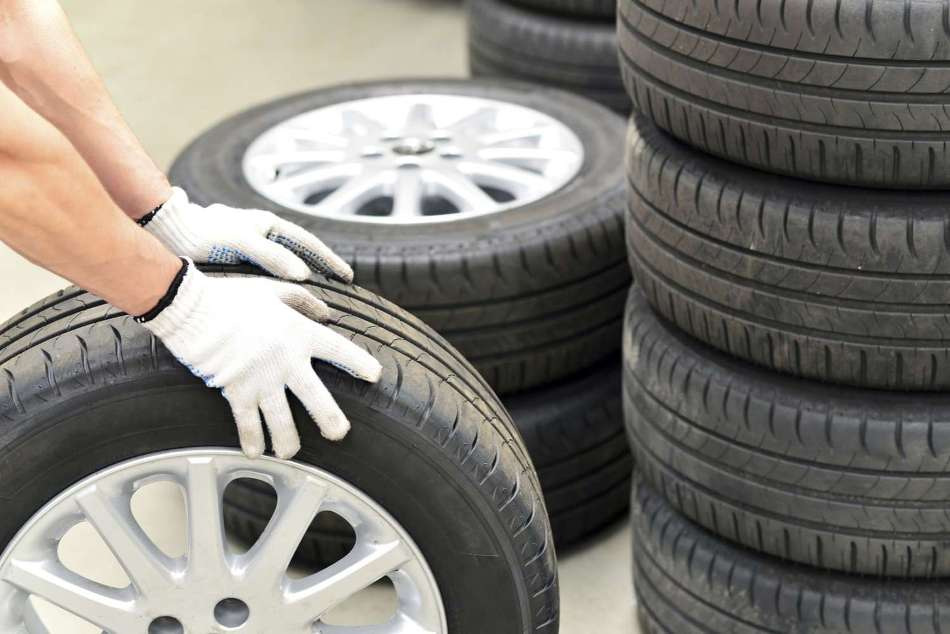
- Store tires properly. During storage, tires should be protected from direct sunlight and chemicals.
- Follow the expiration dates. Over time, rubber loses its operational properties, becomes more brittle and prone to cracks. It is recommended to change tires every 5-6 years.
Remember: taking care of your tires means taking care of your safety. Inspect them regularly for damage and replace them in a timely manner if necessary. Do not put yourself and your passengers at risk!