05.02.2025
500
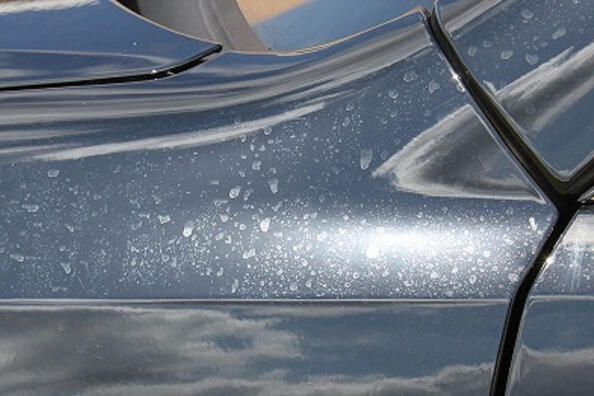
Limescale is not just an aesthetic problem, it is a real enemy of the paintwork (LFP), glass and other elements of the car. It is formed due to mineral salts contained in water, which remain on the surface after the drops dry. This problem is especially relevant in regions with hard water. To improve the car and add attractiveness to it, we recommend using tuning accessories, a huge range of which is available in our product catalog.
After washing or rain, when water evaporates from the surface of the car, the salts dissolved in it (calcium, magnesium, etc.) crystallize and form whitish spots - the same limescale. The accumulation of these deposits over time can lead to dulling of the LFP, the appearance of scratches and even corrosion.
There are several ways to combat this problem:
Regular car care and timely removal of limescale will help maintain its appearance and extend its service life.
Shipping to EU
Wholesale and retail
Own warehouse
Опис продукту
Подарунки не надаються при оформленні покупки у кредит під 0,01% або при покупці частинами.