24.03.2025
671
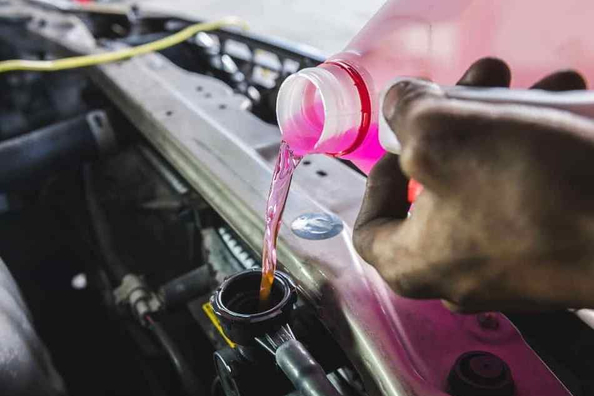
Antifreeze is an important fluid in a car's cooling system that prevents engine overheating and corrosion. Timely replacement of antifreeze extends the life of the engine, but how often should it be done? Let's analyze the key aspects. In addition, you can modernize and improve your car using tuning accessories, a huge selection of which is available in our online store.
Antifreeze loses its properties over time: additives are produced and the liquid becomes contaminated. This reduces its effectiveness, threatening engine overheating and radiator damage.
The frequency of replacing antifreeze depends on its type, condition and the recommendations of the car manufacturer. Regular monitoring and timely maintenance will help to avoid serious breakdowns. Monitor the cooling system to ensure that the engine operates reliably.
Shipping to EU
Wholesale and retail
Own warehouse
Опис продукту
Подарунки не надаються при оформленні покупки у кредит під 0,01% або при покупці частинами.