29.11.2025
687
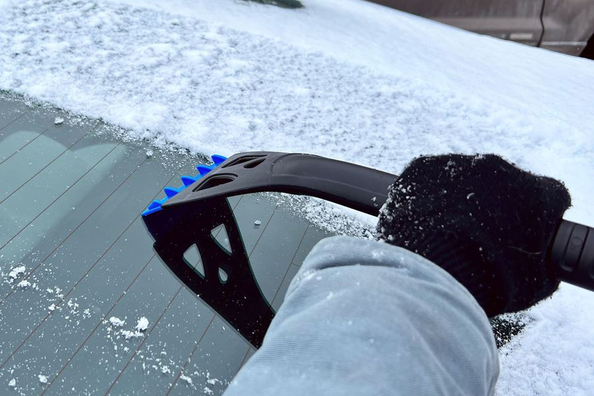

A winter morning, the windshield covered with a thick layer of ice, and you're late for work... Sounds familiar? The right car scraper solves this problem in 1–2 minutes and protects the glass from scratches. In this article, we’ll explain what to look for when choosing a scraper so it lasts for years and doesn’t damage your car. To enhance your vehicle’s appearance and complement its exterior, tuning accessories will also help, and you’ll find a wide selection of them in our product catalog.
The material of the blade is a key factor:
Tip: For thick ice crusts, it’s best to use a de-icer spray together with a quality plastic scraper.
Comfort and efficiency directly depend on the tool’s shape and length:
Choosing a high-quality plastic scraper with a comfortable handle is an investment in your safety and the durability of your car’s glass.
Shipping to EU
Wholesale and retail
Own warehouse
Опис продукту
Подарунки не надаються при оформленні покупки у кредит під 0,01% або при покупці частинами.