Electric cars are becoming increasingly popular, and home charging — is the most convenient and cost-effective way to keep your vehicle ready to go. Charging an EV at home is much cheaper than at public stations, and it also saves you time. In this article, we’ll break down the main methods, the equipment you need, and useful lifehacks for 2026. You can also upgrade your car and make it more stylish by using tuning accessories, with a huge selection available in our online store.
Main home charging methods
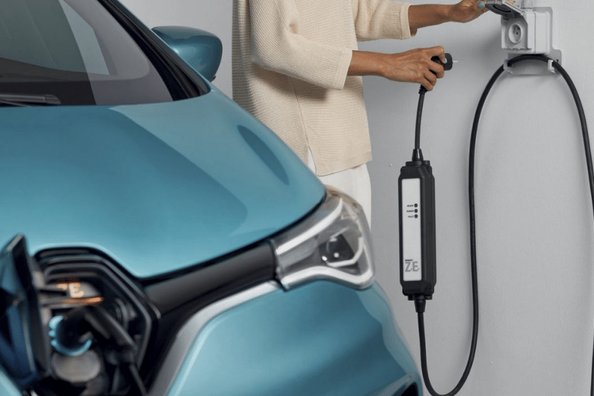
- Standard household socket 220 V (Level 1 / Mode 2): The simplest option. Most EVs come with a portable charging device (EVSE) that delivers 2–3 kW. Pros: no need to buy anything extra. Cons: slow — 8–20 hours for a full charge (depending on battery capacity). Important: only use a high-quality grounded outlet.
- Wall-mounted charging station (Wallbox) 7–22 kW: The best solution for a private house or garage. Charging speed is 3–10 times higher than from a socket. Pros: safety, protection from voltage fluctuations, night-tariff scheduling, integration with solar panels. Full charge time (60 kW·h): 3–9 hours.
What do you need to install a Wallbox?
- A certified electrician checks the wiring (recommended 4–6 mm² copper for 11–22 kW).
- A dedicated circuit breaker and an RCD.
- Three-phase 380 V will significantly speed up the process (if available).
Useful tips for safe charging
- Always check grounding.
- Don’t use extension cords or multi-plugs.
- Charge at night — savings (if you have a night tariff) + the car is ready in the morning.
- During power outages, keep a 20–30% buffer.
- Regularly update the car’s software — it improves charging efficiency.
Home charging — is comfort, savings, and independence from public stations.