16.09.2025
308
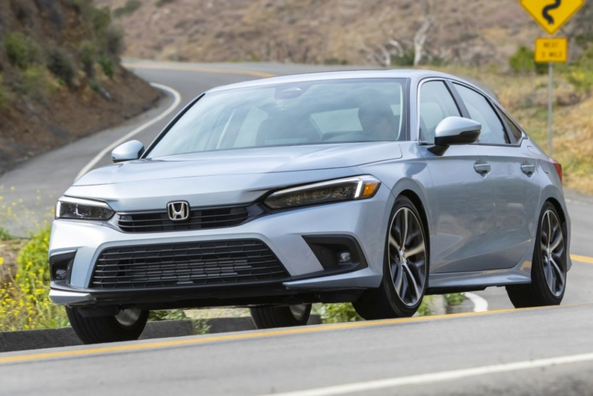

Front-wheel drive (FWD) — one of the most common layouts in modern cars, where the engine delivers power to the front wheels. This is a popular solution for city and family vehicles thanks to its practicality and affordability. In this article, we’ll look at the advantages and disadvantages of front-wheel drive to help you decide if it suits your needs. You can also enhance your vehicle’s appearance and give it more character by using tuning accessories available in our online store.
Front-wheel drive means that the front wheels are responsible for both traction and steering. This setup simplifies the vehicle’s design and is widely used in compact and mid-size models.
Front-wheel-drive cars are valued for:
Despite its popularity, FWD has some drawbacks:
FWD — an excellent choice for city dwellers, family drivers, and those who value efficiency and stability in bad weather. However, enthusiasts of dynamic driving or off-road adventures should consider other options. The choice depends on your priorities and driving conditions.
Shipping to EU
Wholesale and retail
Own warehouse
Опис продукту
Подарунки не надаються при оформленні покупки у кредит під 0,01% або при покупці частинами.